


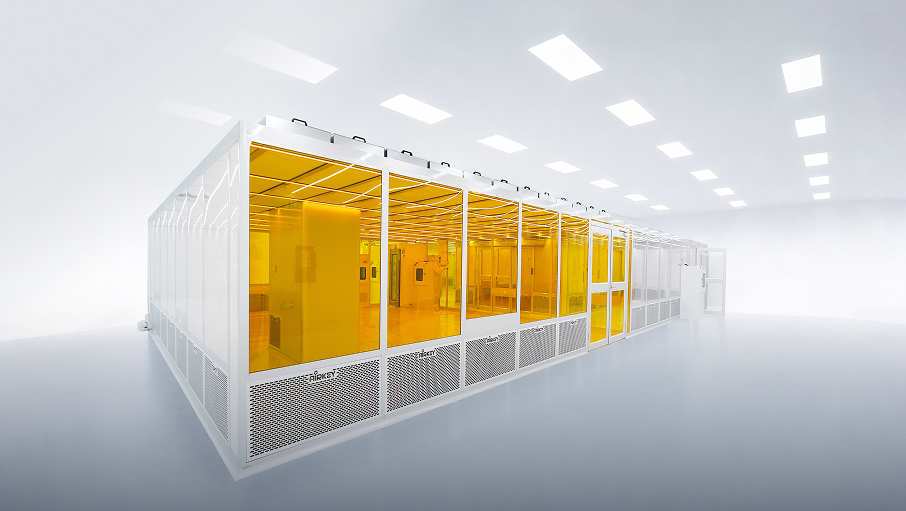
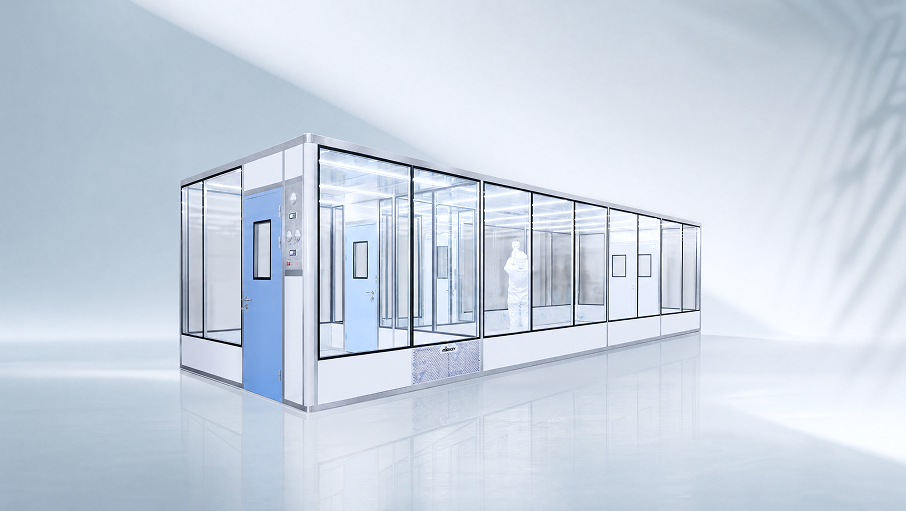
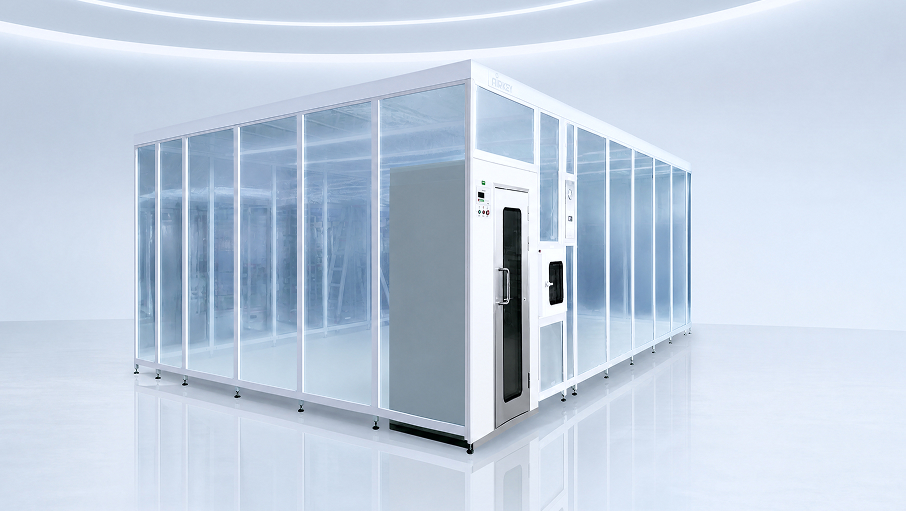
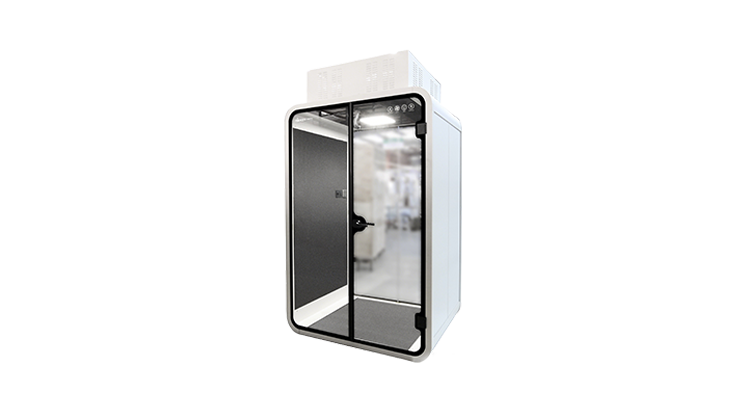





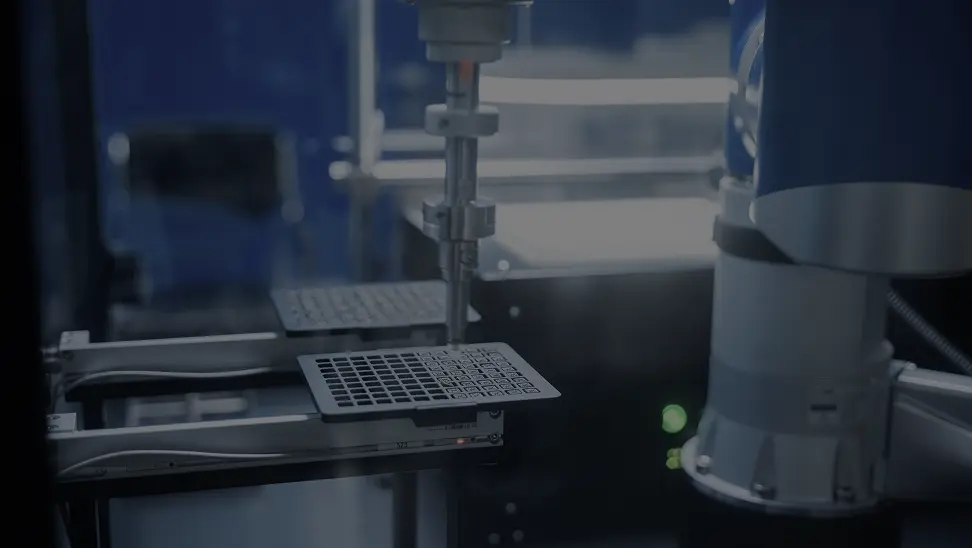



































Product features
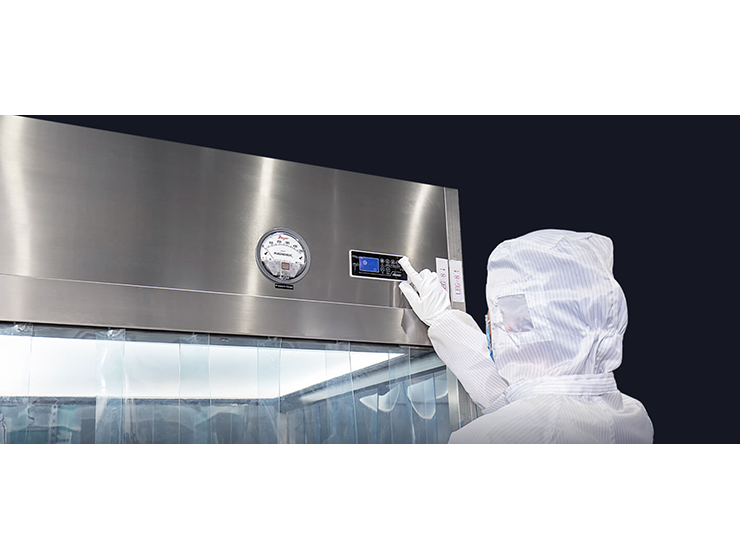
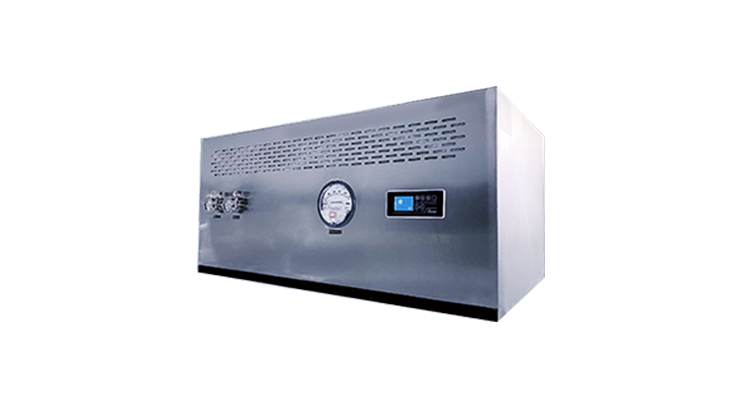
Control panel

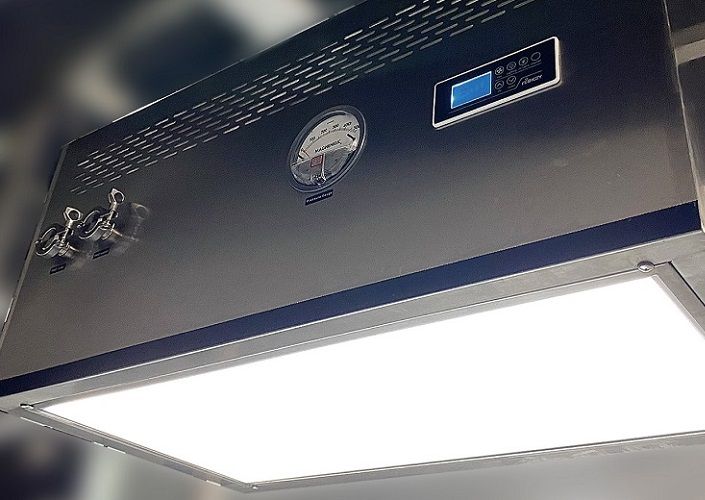
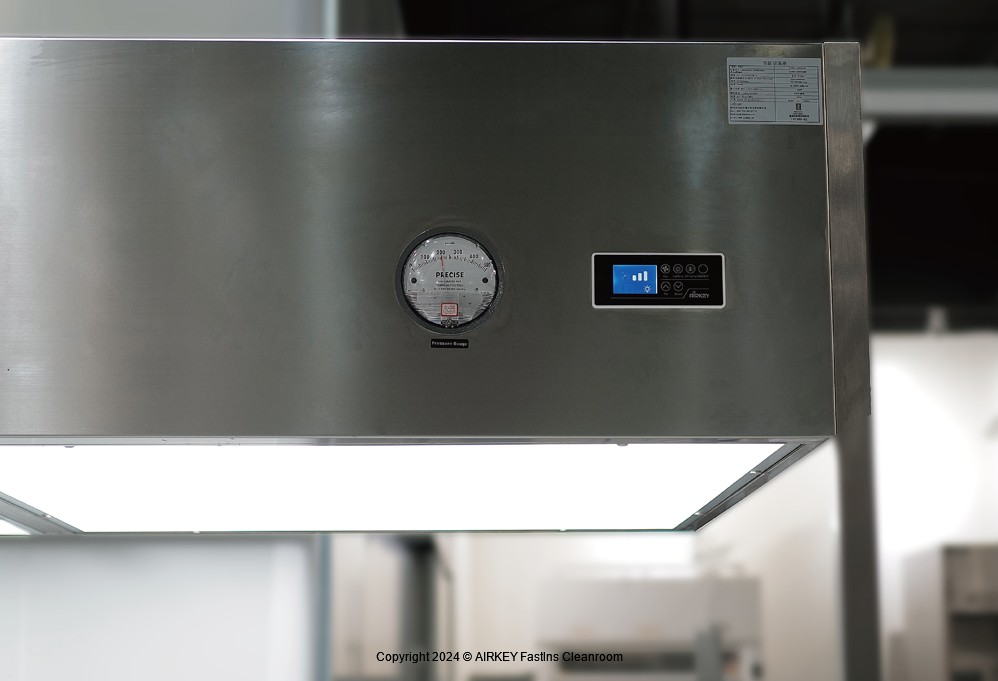
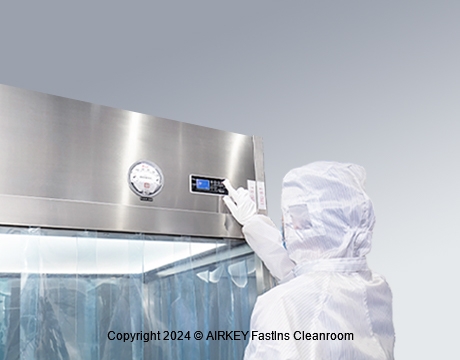
Control panel for air regulation;
Touch screen optional

SS structure Anti -corrosion easy to clean
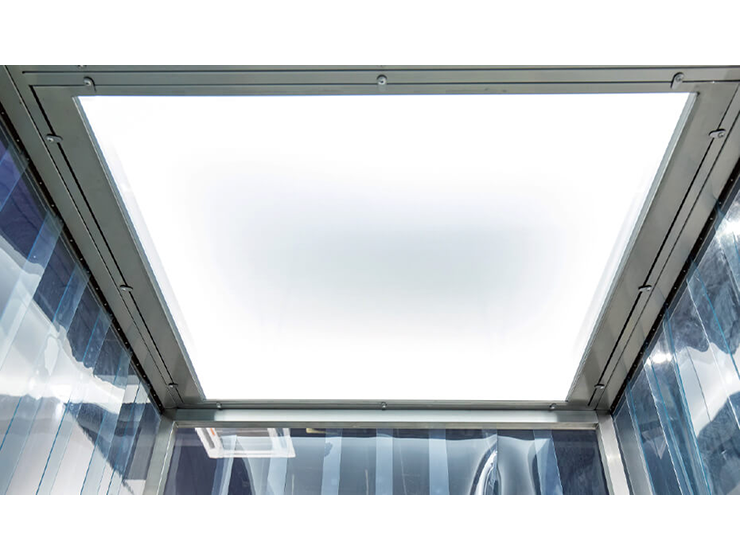

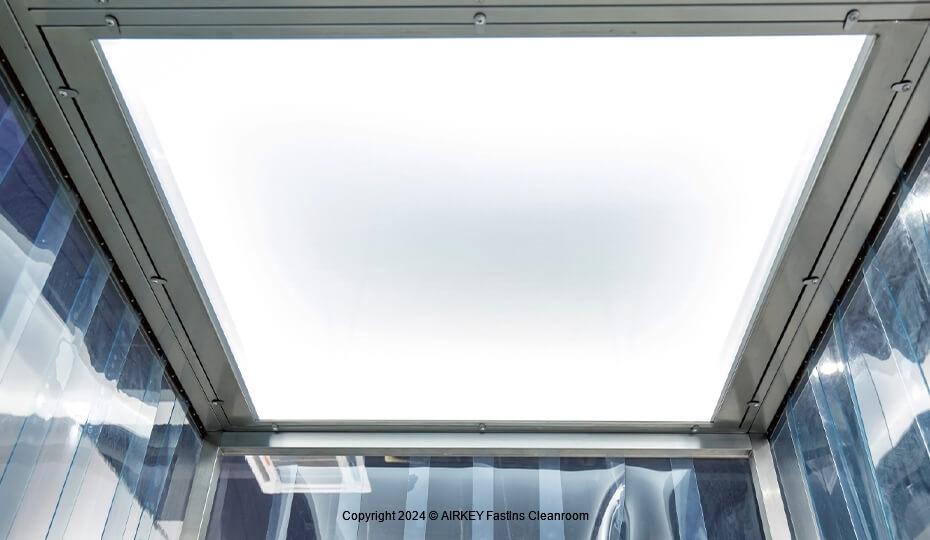
Built-in strip light
Simple assembly and operation

Polymer homogenous flow film
avoid turbulent flow
Maintain uniform ISO5 class
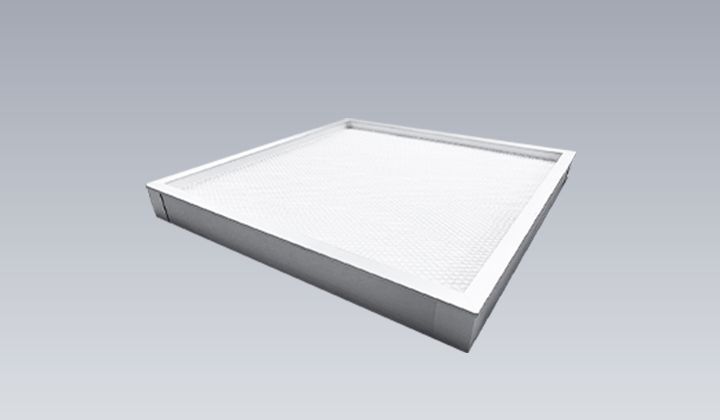
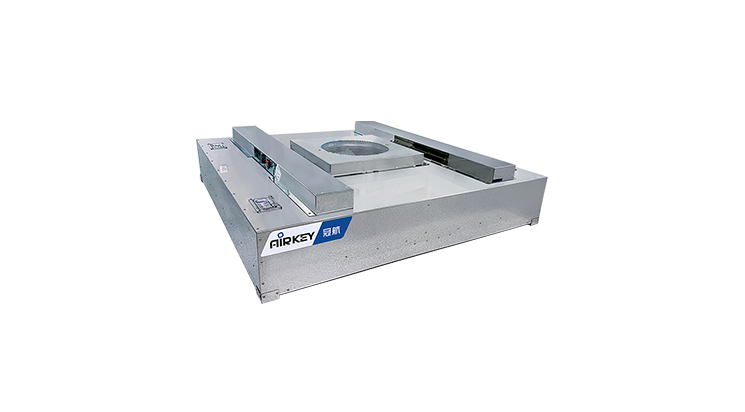
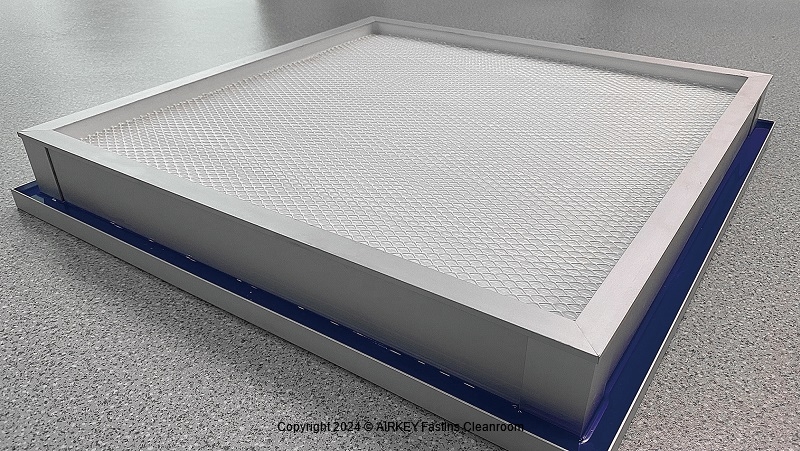
Built-in gel-sealed HEPA filter in laminar flow hood equipped with PAO port
No fear of detection, quality control, run at easement
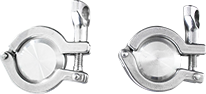
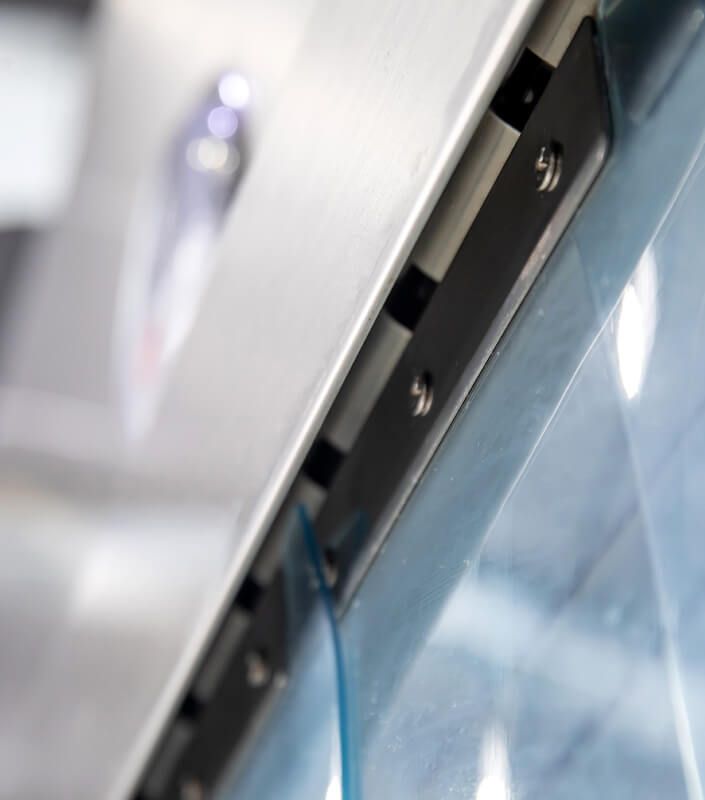
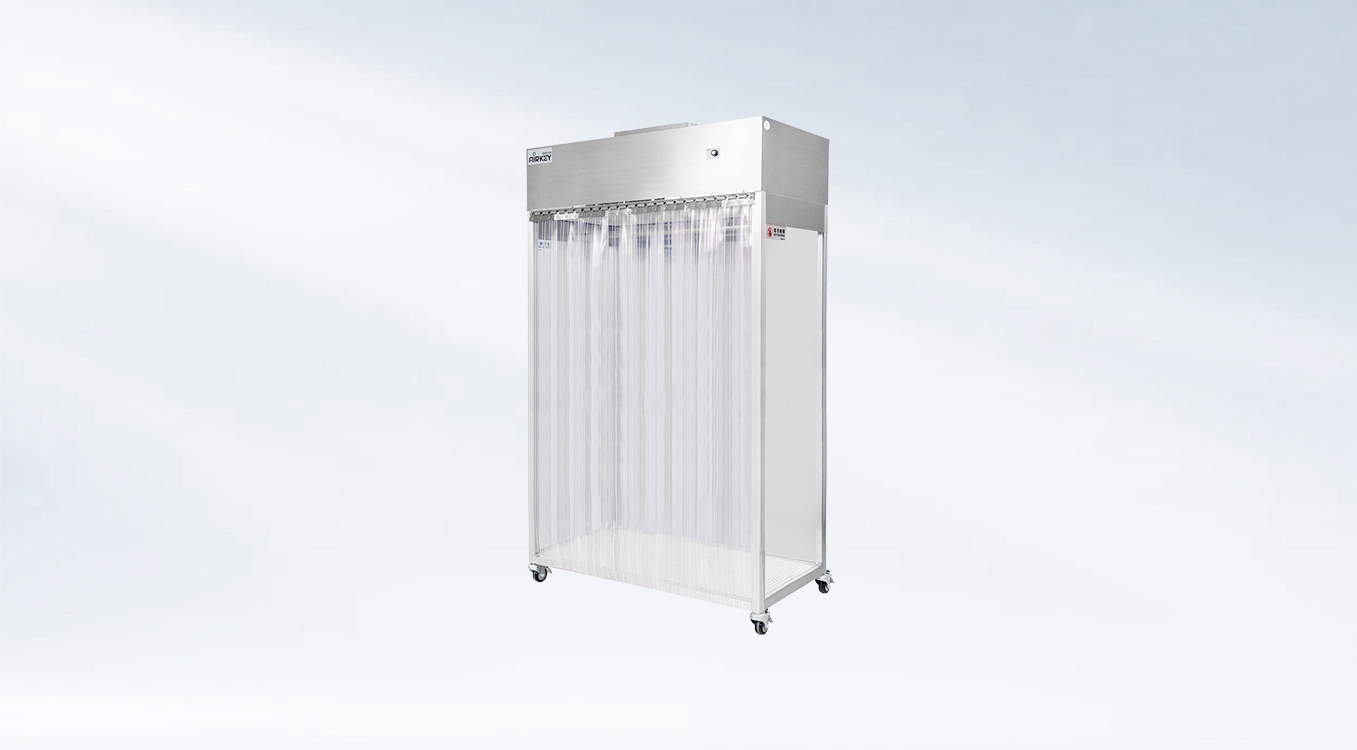
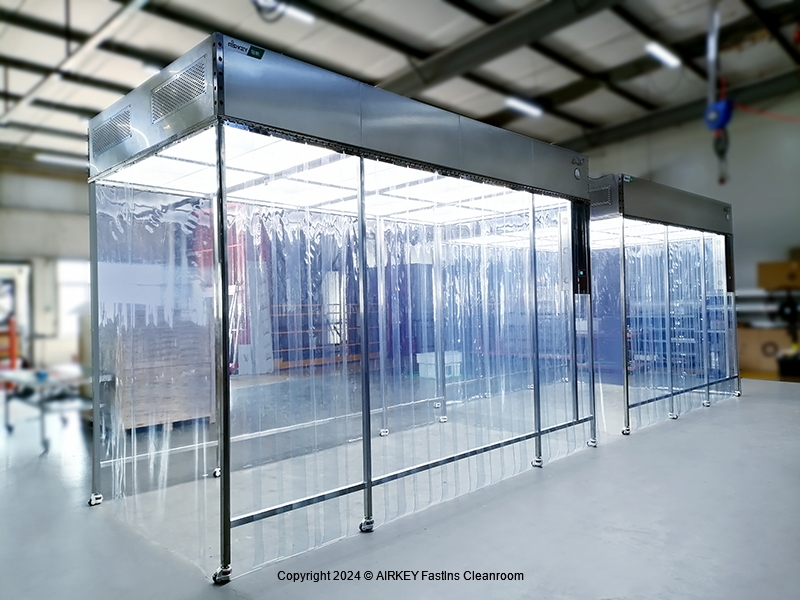
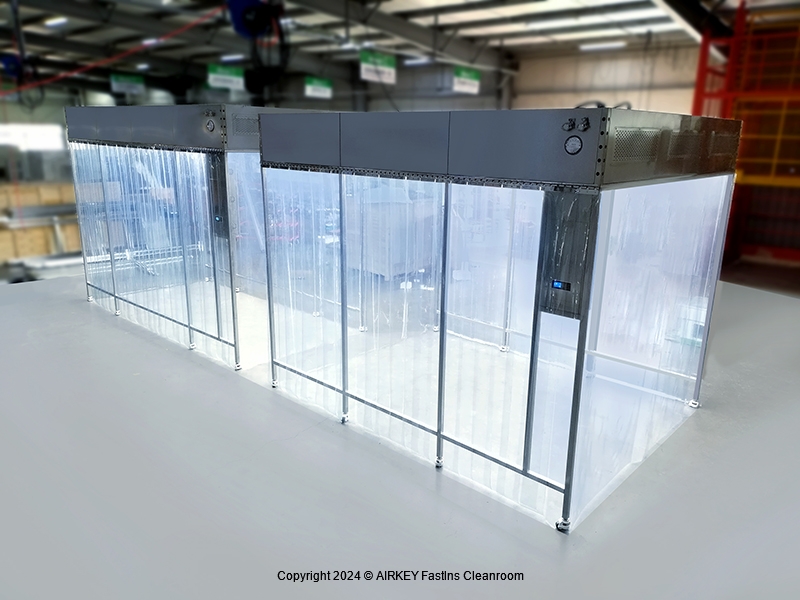
ESD PVC curtains around
Easy to install
Segregate outside pollution
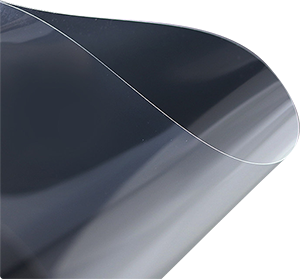
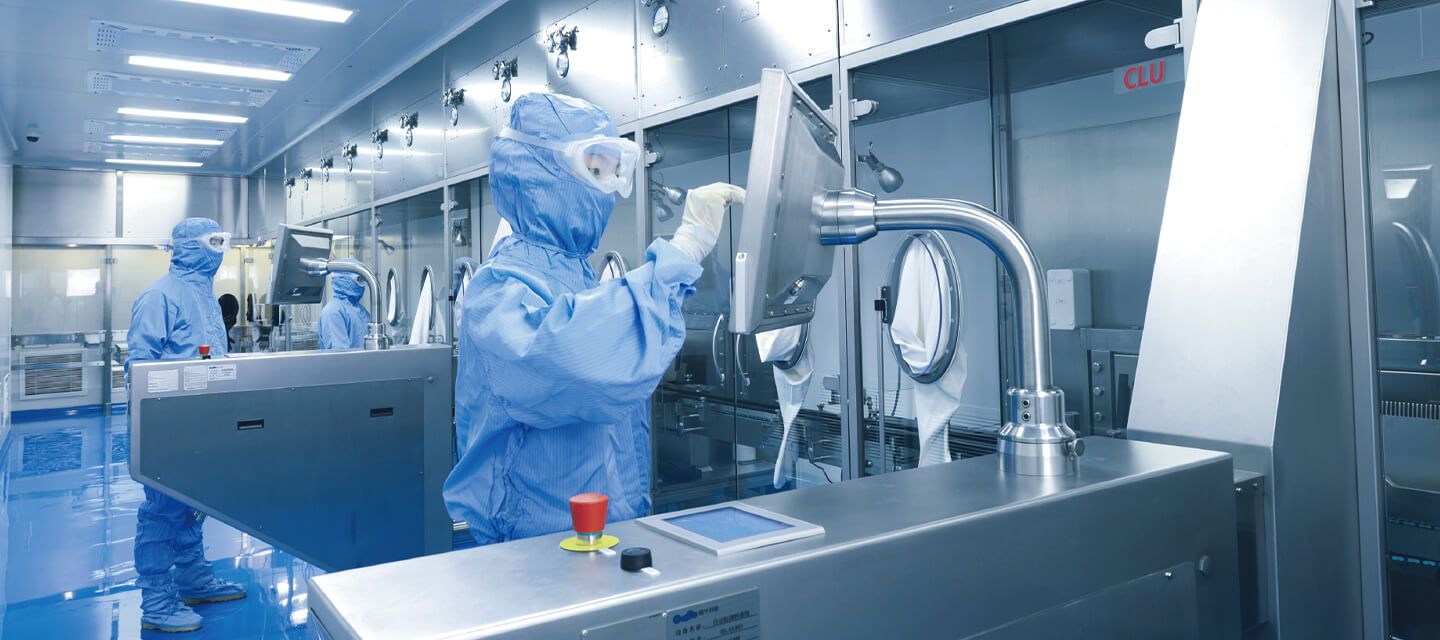
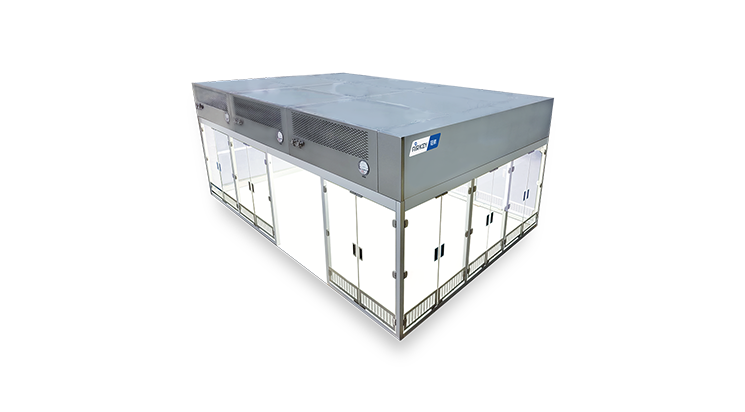
Unidirectional vertical flow hood for ISO5 area
HEPA module with PAO ports
Polymer homogenous flow film, stable air flow and sterile space
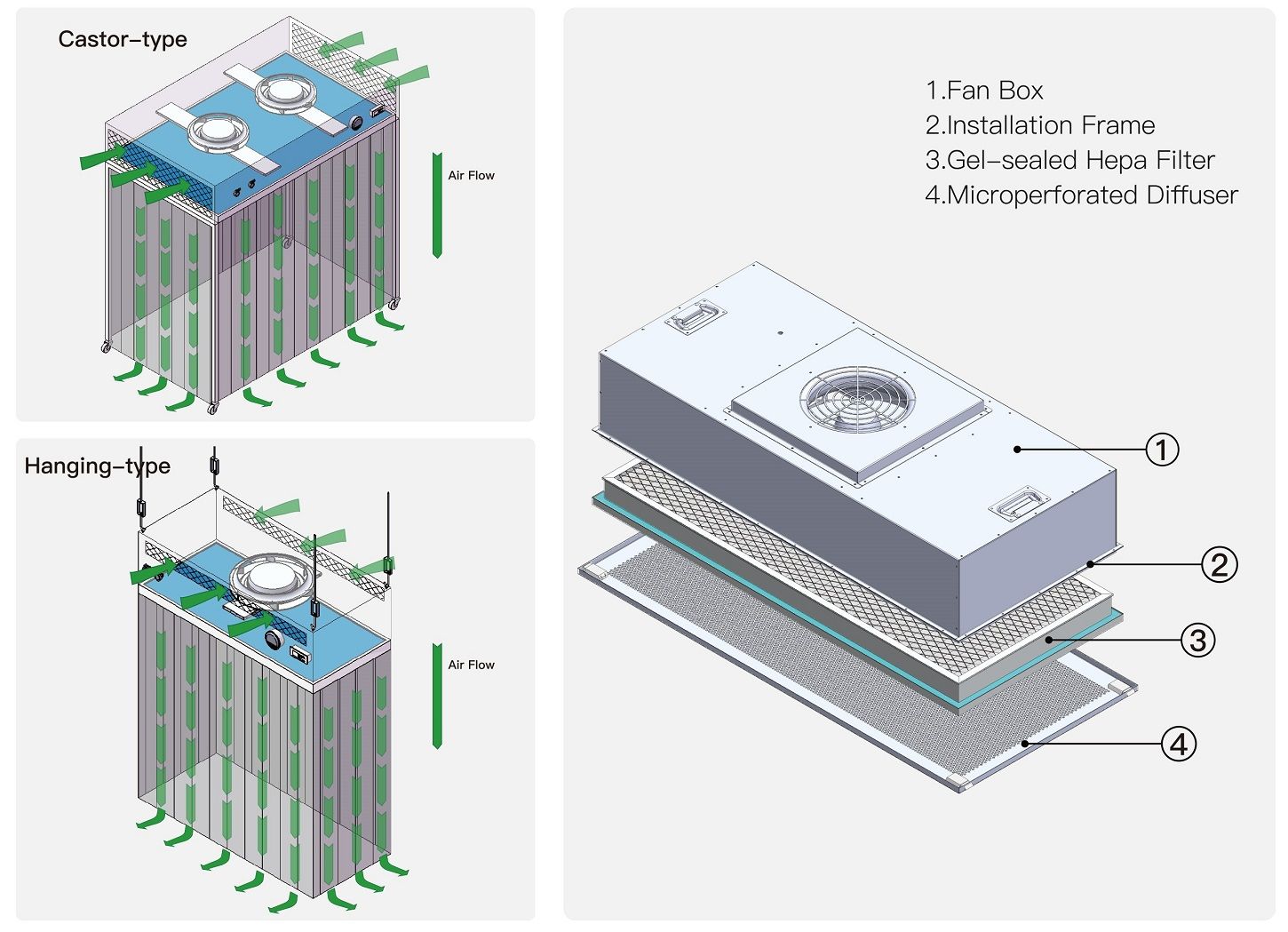
Operating Principle
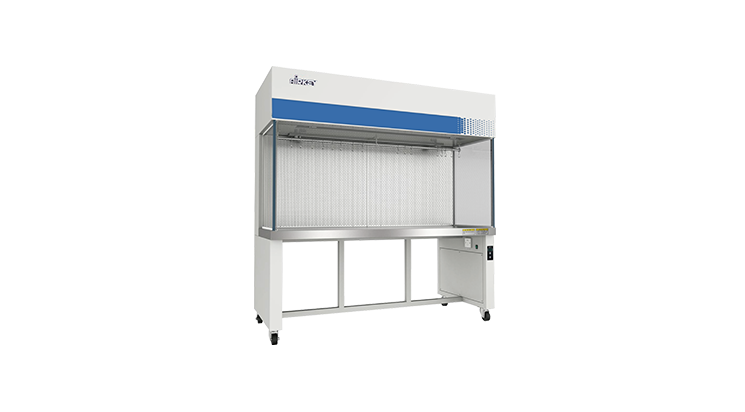
By means of 2-step filtration (G4 + H14), ultra-filtered clean air is generated, which forms a complete sweep vertical downflow under the LAF. The clean air is displaced from the ceiling to the ground with a parallel flow pattern and homogeneous output, creating class A environment.
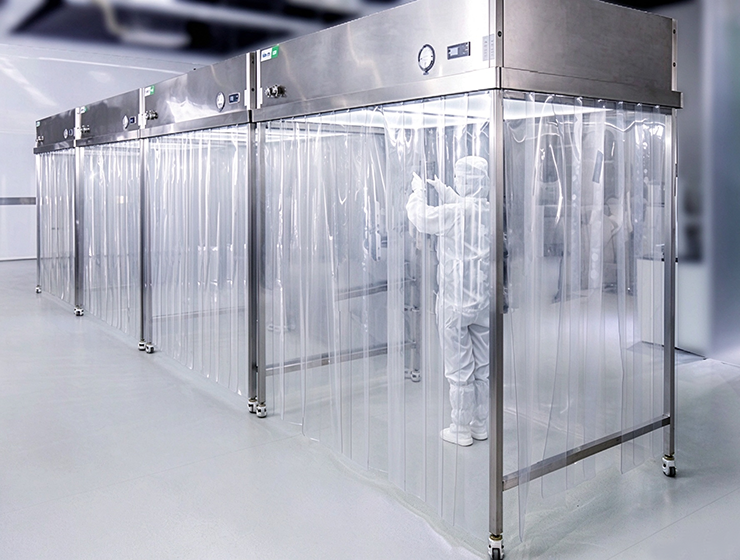
Free-standing or suspension, diverse installation methods
Partial area class A wherever you want

PAO testing Leakage <0.01%
Clean class test to ensure class 100
Specification
| Model | MLAF-680 | MLAF-1280S | MLAF-1280L | MLAF-2180 | ||
| External Dimension(L*W) | 680 * 680mm | 1280 * 680mm | 1280 * 1280mm | 2180 * 1280mm | ||
| Air Velocity | 0.45±15%m/s | |||||
| Air Filter | G4 | Non-woven pre-filter 50-95%@5μm | ||||
| H14 | Gel-sealed fiber glass H14 hepa filter 99.995%@0.3μm(EN-1822) | |||||
| Voltage | 1P/220V/50Hz or 1P/110V/60Hz | |||||
| Class | ISO 5 (Class A) | |||||
| Noise(dBA) | ≤65 | |||||
| Lux | ≥300 | |||||
| Fan | High efficient backward centrifugal fan | |||||
| Enclosure Material | Stainless Steel 304 | |||||
Product video
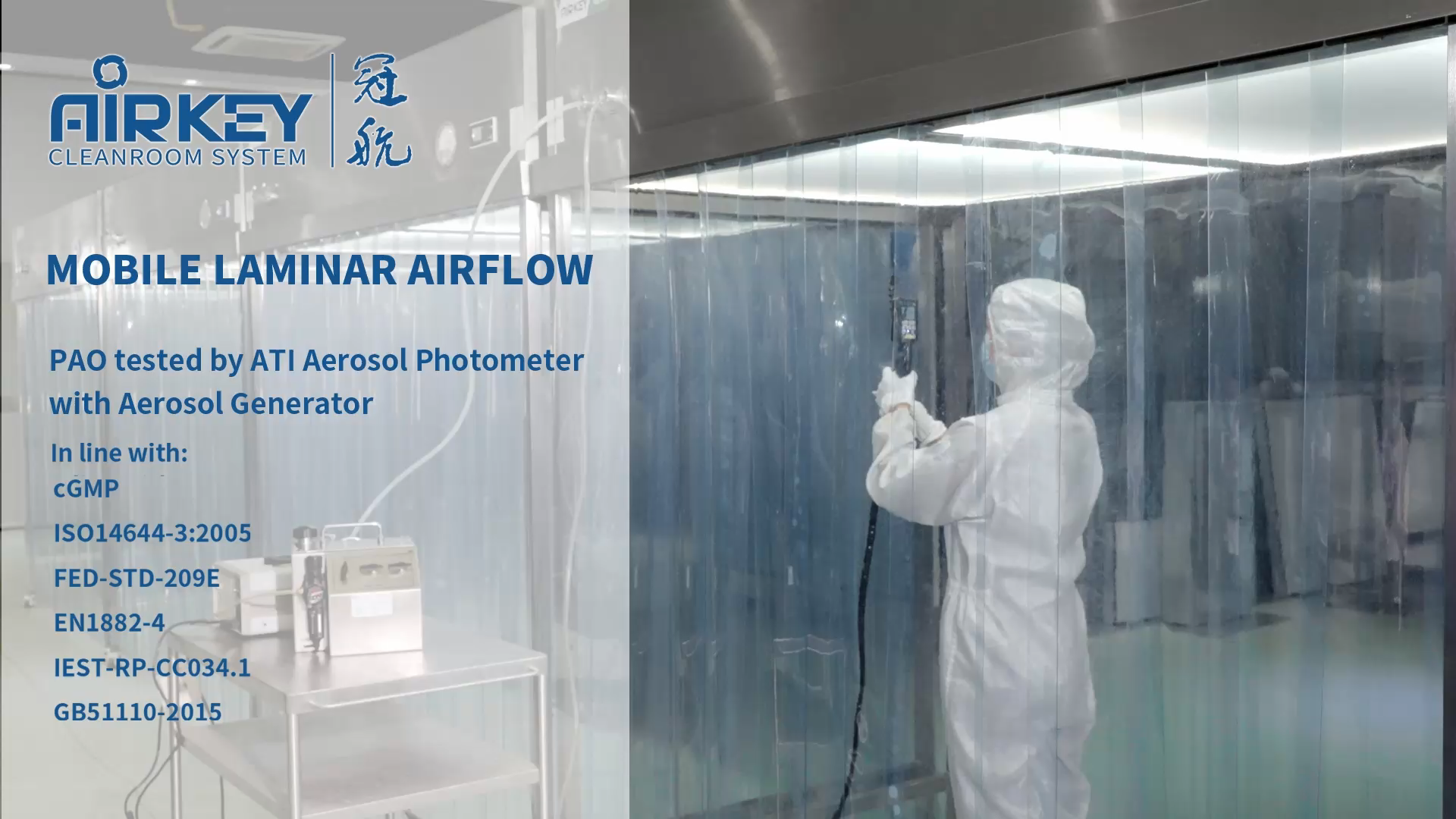
Mobile Laminar Air Flow
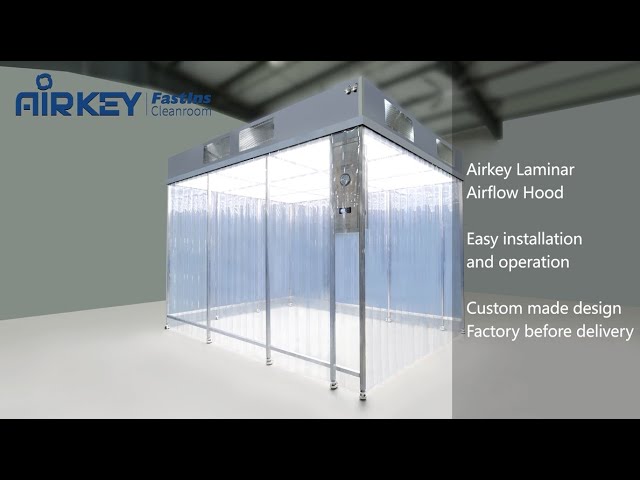
ISO5 Class100 Sterile Mobile Modular Laminar Flow Hood
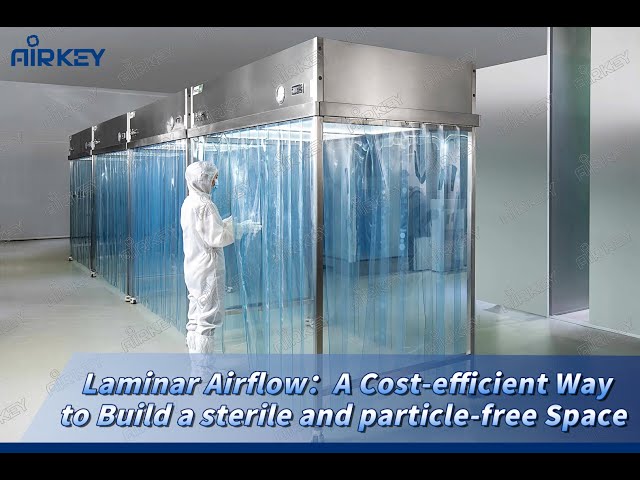
Mobile Laminar Flow in Pharmaceutical Compounding Industry
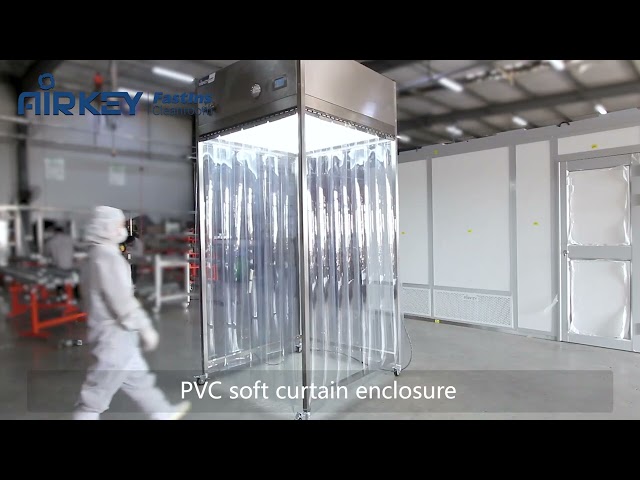
Flexible and Efficient Cleanroom Solution – Mobile Laminar Flow
Gallery
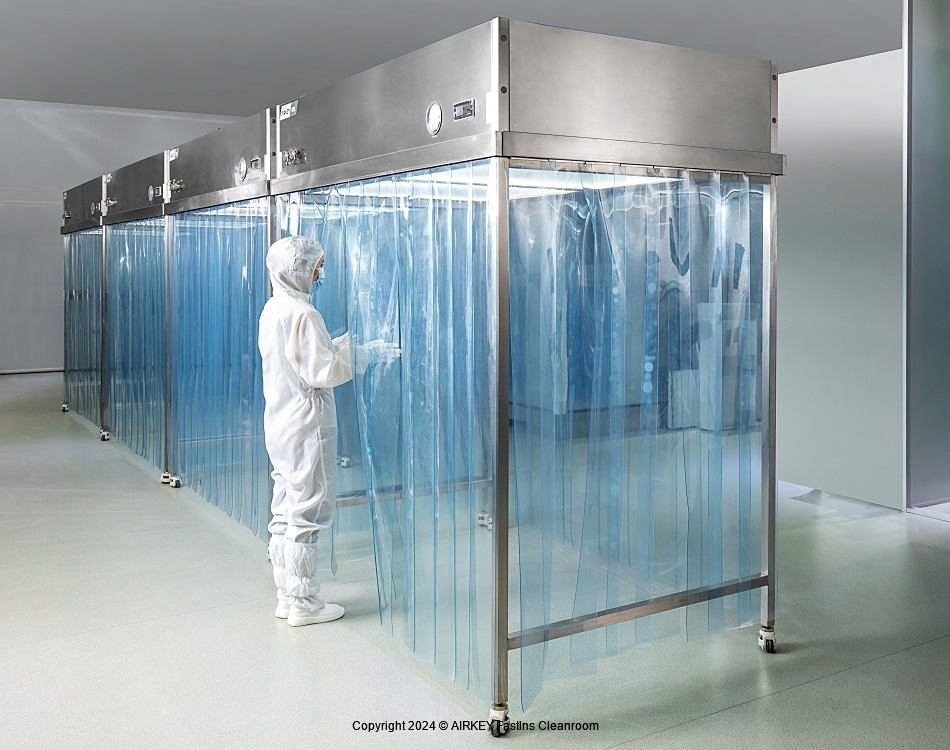
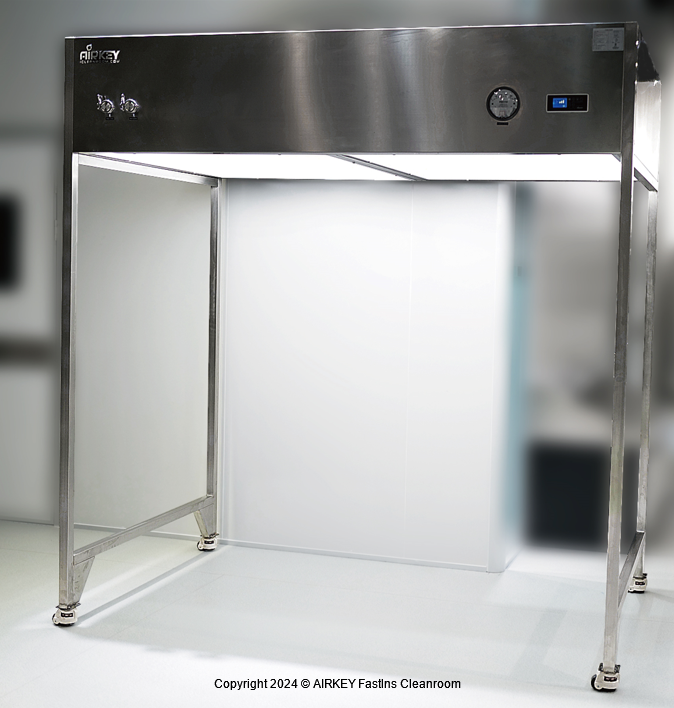
Mobile laminar air flow for pharmaceutical clean room 1
Mobile laminar air flow for pharmaceutical clean room 2
Mobile laminar air flow for pharmaceutical clean room 3
Mobile laminar air flow for pharmaceutical clean room 4
Mobile laminar air flow for pharmaceutical clean room 5
Mobile laminar air flow for pharmaceutical clean room 6
Mobile laminar air flow for pharmaceutical clean room 7
test
Related products
Recent Projects
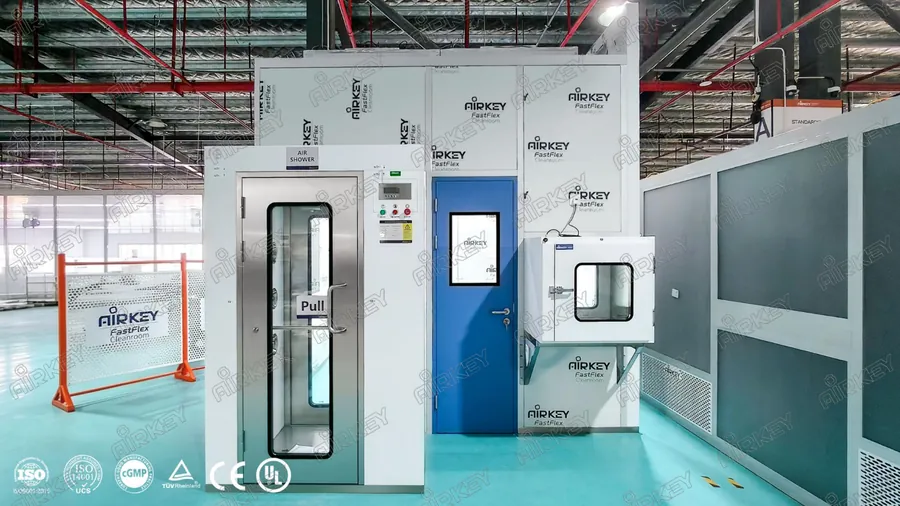
ISO 5 Modular Cleanroom Manufacturer for Medical Research in Singapore
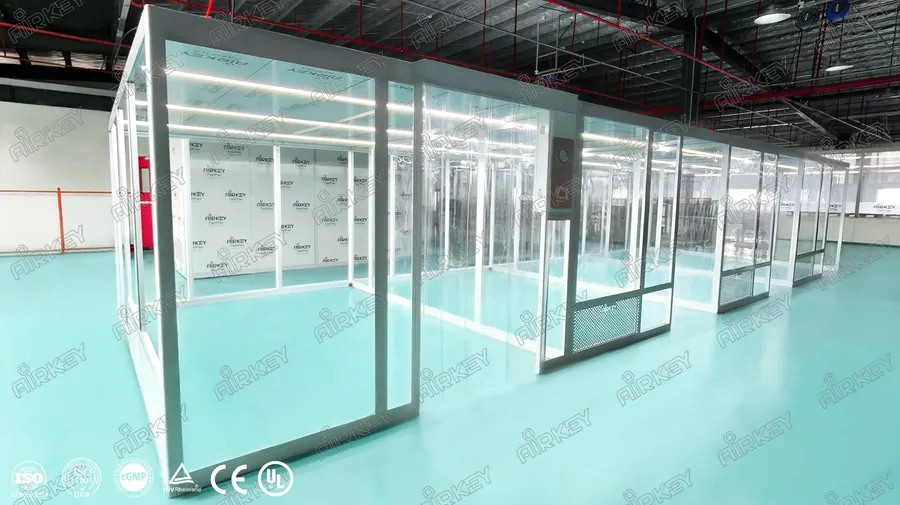
ISO 7 Modular Cleanroom Manufacturer for Pharmaceutical Packaging in the USA
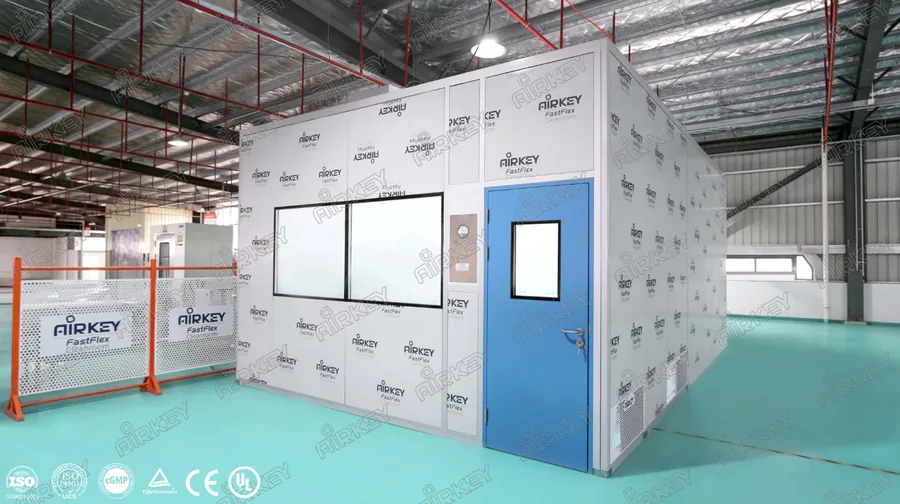
ISO 6 Modular Cleanroom Manufacturer for Optical Component Production in Germany
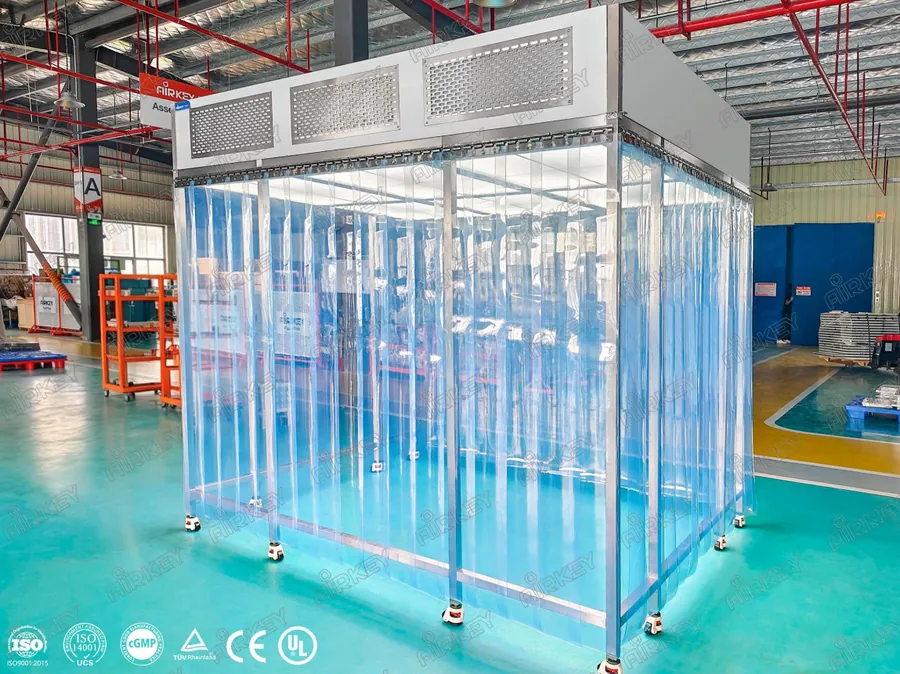
GMP-Compliant Laminar Airflow Hood for Pharmaceutical Manufacturing in Australia
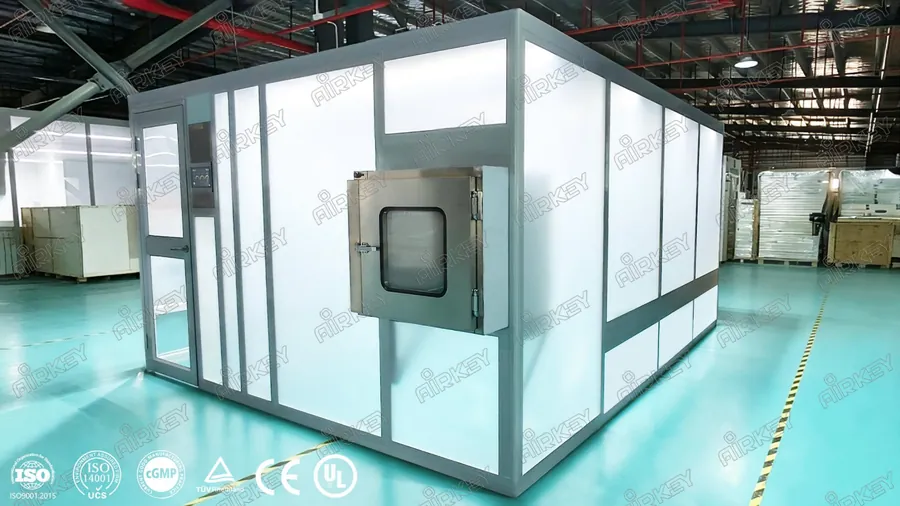
ISO 6 Modular Cleanroom Manufacturer for Cell Technology Research in Oman
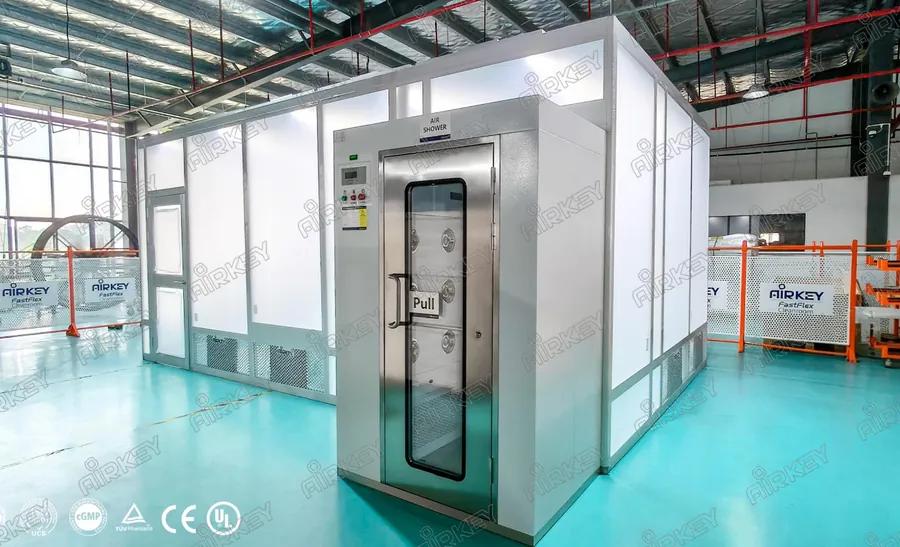
ISO 5 Modular Cleanroom Solution for Peptide Production in the USA
Frequently Asked Questions
1.What is a Mobile Laminar Airflow Hood (LAF)?
LAF is an air purification device that provides a localized high-cleanliness working environment. It mainly consists of a cabinet, fan, prefilter, HEAP filter, damping layer, and lighting. The design features a double-layer negative pressure system, and air is passed through the HEAP filter at a specific velocity to create a vertical unidirectional flow, ensuring high cleanliness in the work area and preventing cross-contamination.
2. What is the difference between a mobile laminar airflow hood (LAF) and a FFU
There are significant differences between a Mobile LAF (Laminar Airflow Hood) and a FFU( Fan Filter Unit) in terms of structure, function, application, and flexibility.
(1) Structural Differences:
◆ FFU(Fan Filter Unit)Consists of a fan, HEAP filter, and cabinet, using a modular design, the structure is relatively simple, and is usually used in the form of a single device, which is easy to combine and arrange according to actual needs, and has high flexibility.
◆ Mobile Laminar Airflow Hood: It has a more complex structure, including a HEAP filter, fan, cabinet, enclosing materials, and control devices. It is a complete unit installed in a specific area to provide a localized high-cleanliness environment.
(2) Functional Differences:
◆ FFU (Fan Filter Unit): Primarily uses a fan to draw in air, which is then filtered through a HEAP
filter and delivered, providing a certain level of air purification for large spaces. It is suitable for
wide-area application, but may not be as effectively for local area purification as a laminar airflow hood.
◆ Mobile Laminar Airflow Hood: It mainly uses a specific airflow pattern to create laminar flow, providing high cleanliness and more precise purification in a specific localized area.
(3) Differences in Application Scenarios and Flexibility:
◆ FFU(Fan Filter Unit): The motor of the FFU is built-in, providing high flexibility. FFUs can be connected in modular units and are suitable for various large-space clean environments where air purification is needed, such as in the pharmaceutical, electronics, and food industries.
◆ Mobile Laminar Airflow Hood: The motor is external, offering lower flexibility. It is typically used in fixed positions for areas requiring high partial cleanliness, such as biological laboratories, precision instruction manufacturing workshop, and pharmaceutical plants.
3.What thickness is recommended for a mobile laminar flow?
Mobile laminar airflow hoods feature a slim and lightweight design, typically with a thickness ranging from 400mm to 450mm.
4. What are the replacement cycles and costs for filters in a mobile laminar a
The filters of the mobile laminar airflow hood primarily include pre-filters and HEAP Filters. Pre-filters, which capture large dust particles, should be replaced every 3-6 months as their resistance increases and efficiency decreases over time.
HEAP filters, the final barrier for capturing the smallest particles, are recommended to be replaced every 12-18 months, or immediately if they become damaged or clogged.
When determining the replacement schedule, the cost should be considered as well. While more frequent replacement can maintain better filtration, they also increase maintenance costs. Therefore, the replacement cycle should be adjusted based on actual conditions.
5. Can a mobile laminar airflow hood (LAF) be expanded or upgraded?
Mobile LAFs are designed to be expandable and upgradable. They typically consist of one or more laminar airflow modules, allowing users to add or remove modules based on their specific needs. This flexibility enables the LAF to adapt to different scales and requirements.
6. What are the after-sales service and warranty for mobile laminar airflow hood
The after-sales service and warranty policy for mobile laminar airflow hood (LAF) includes:
(1)An 18-month warranty from the date of shipment for all products, excluding damage caused by human error. The FFU( Fan Filter Unit) comes with a 3-year warranty.
(2)During the warranty period, we provide free repair or replacement for any quality issues.
(3)If necessary, experienced engineers can be dispatched to the site for repairs or maintenance.
(4)Photos and videos of the damaged products at the site are very helpful for us to quickly identify the cause and resolve the issue.
7.What are the customizable sizes and shapes for mobile laminar airflow hoods?
Mobile laminar airflow hoods feature a modular design, allowing for cutsomization in various sizes. Each module can be used independently or combined based on the needs of the work area. This flexibility makes them suitable for different scales and requirements.
8.What airflow options are available for mobile laminar airflow hoods (LAF)?
Mobile laminar flow hoods operate by creating a clean and sterile partial environment through a low-pressure, uniform airflow over the work area. The primary airflow options include vertical unidirectional flow and horizontal unidirectional flow.
(1)Vertical Unidirectional Flow: Air flows from top to bottom, quickly removing dusts and microorganisms from the work area, maintaining cleanliness.
(2)Horizontal Unidirectional Flow: Air flows form one side to the other, ensuring the cleanliness of the work area and meeting specific process requirements.
9.What are the main application scenarios for mobile laminar airflow hoods (LAF)
Mobile LAFs are widely used in industries and scenarios that require high cleanliness, such as lithium batteries, new energy, bio-pharmaceuticals, healthcare, laboratories, hospital operating rooms, cell culture, precision instruments, food, packaging, optoelectronics, electronics, semiconductors, photovoltaics, glass, printed circuit boards, LCM, touch screens, LED, and electronic assembly areas. They provide efficient, reliable, and flexible solutions to meet the specific needs of production or research processes, preventing cross-contamination.
10.What are the cleanliness levels of mobile laminar airflow hoods (LAF)?
According to international standards such as ISO and the U.S. FS209E standard, the air cleanliness of LAF typically needs to meet or exceed Class 100. Specifically, this means that in the work area, there should be no more than 3.5 particles of 0.5μm or larger per liter of air. This standard ensures that the LAF provides a clean and stable environment for production or experimental processes.
For high-efficiency laminarairflow hoods (LAF), the cleanliness requirements are even stricter. These hoods generally need to meet or exceed ISO Class 4, which corresponds to a cleanliness level of Class 10 or better. This means that in the work area of a high-efficiency LAF, the number of airborne particles is significantly lower, meeting more stringent cleanliness requirements.
11.Does the mobile laminar airflow hood (LAF) support both mobile and fixed mode
Mobile LAFcan be either fixed in a specific area or moved as needed to different locations, offering high flexibility.
12.How long is the delivery time for a mobile laminar airflow hood (LAF)?
The deliverytime for a mobile laminar flow hood needs to be determined based on the order quantity and the manufacturer’s work schedule. Typically, it ranges from 1 to 2 months, with the specific time to be confirmed after business discussions.
13.Can a mobile laminar airflow hood (LAF) be compatible with other clean equipm
A mobile laminar flow hood can be combined with other air cleanliness control devices to achieve higher control efficiency, meeting the cleanliness requirements of different industries.