

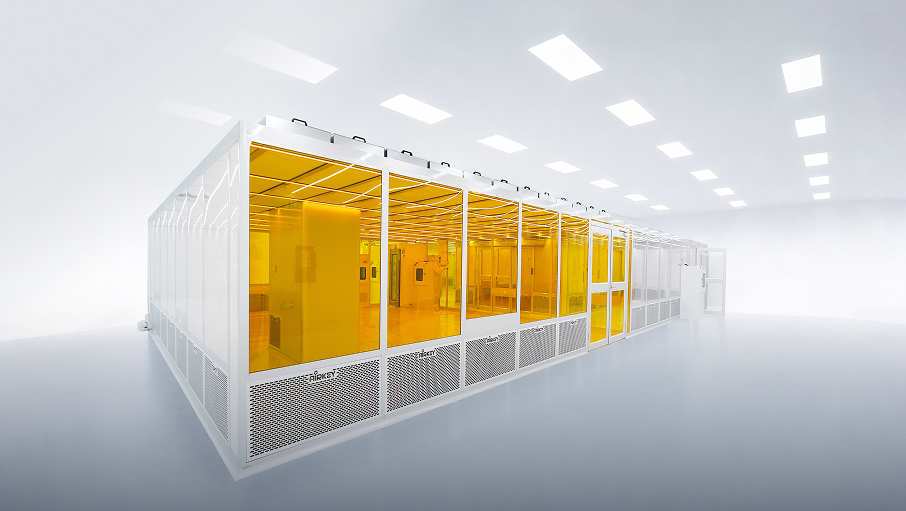








































Cleanroom Floor
Product features
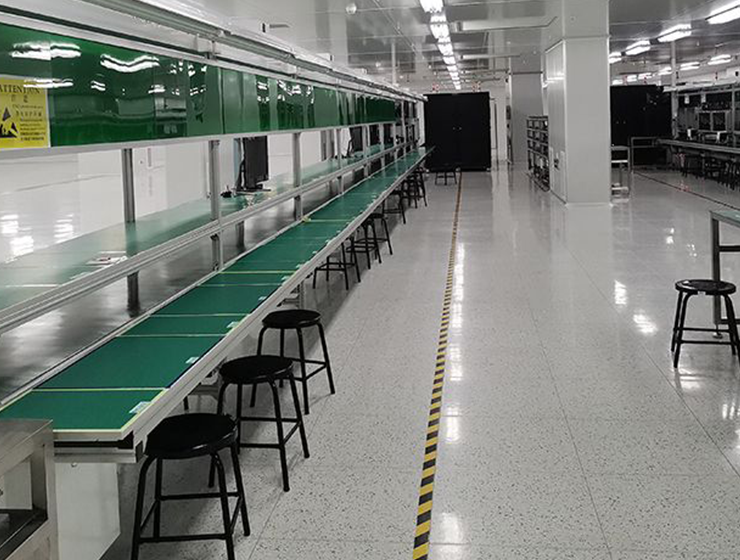
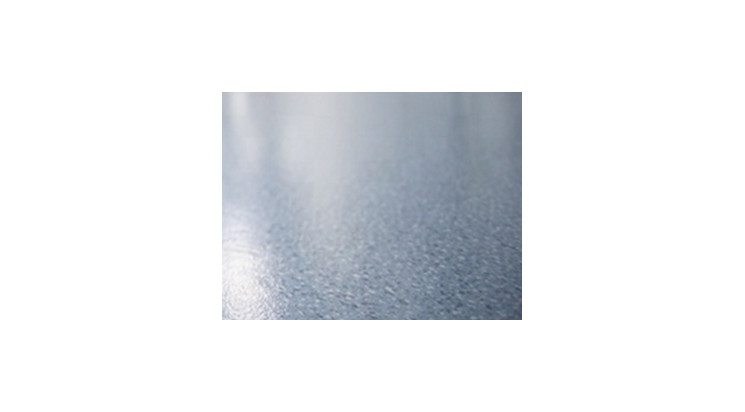
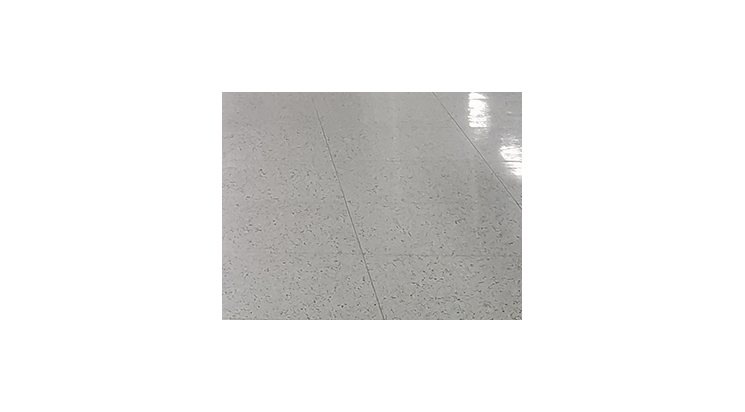
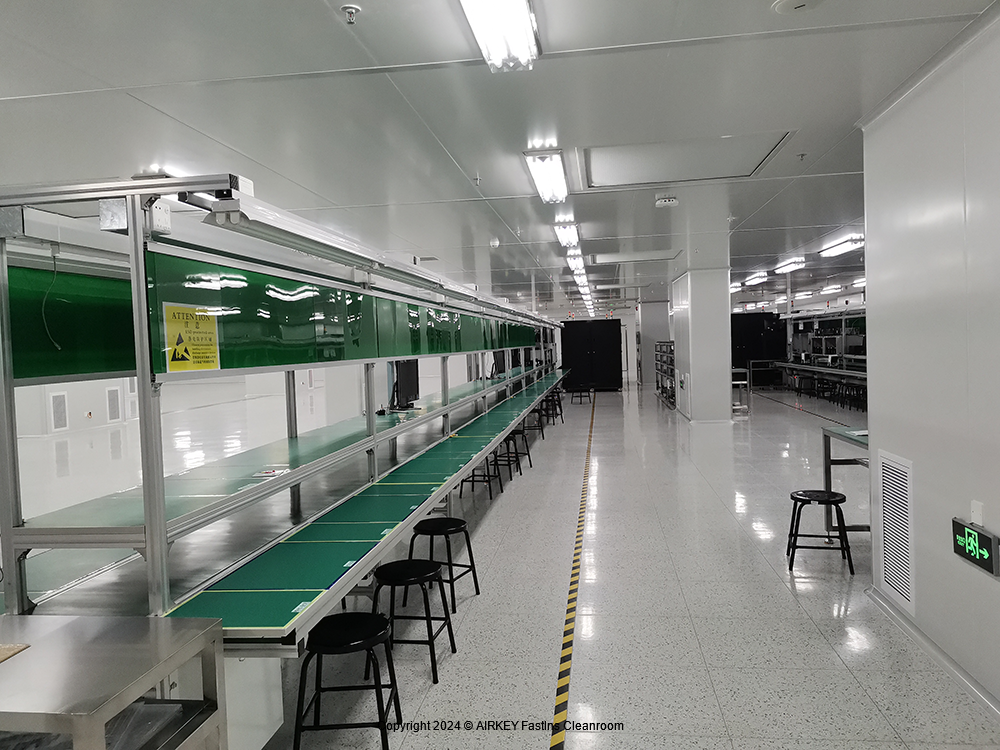
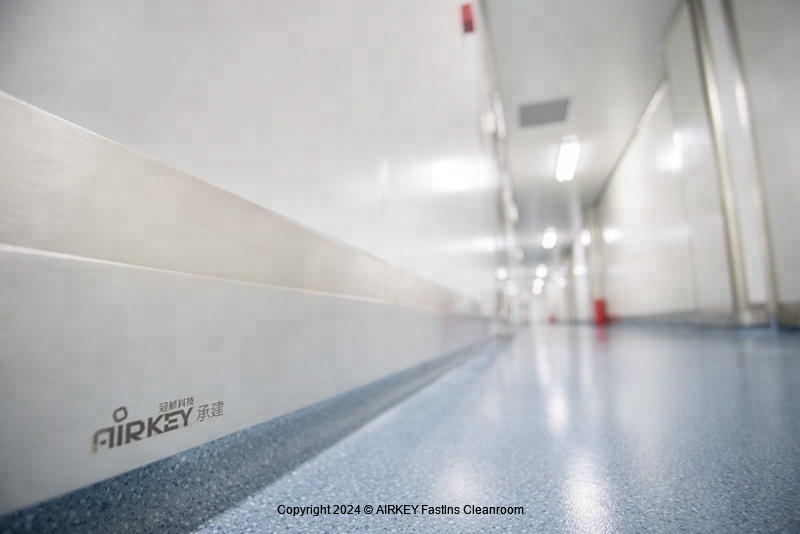
PVC sheets or rolls optional
 PVC sheets or rolls optional
 Easy installation and durable
 Provide comfortable work space
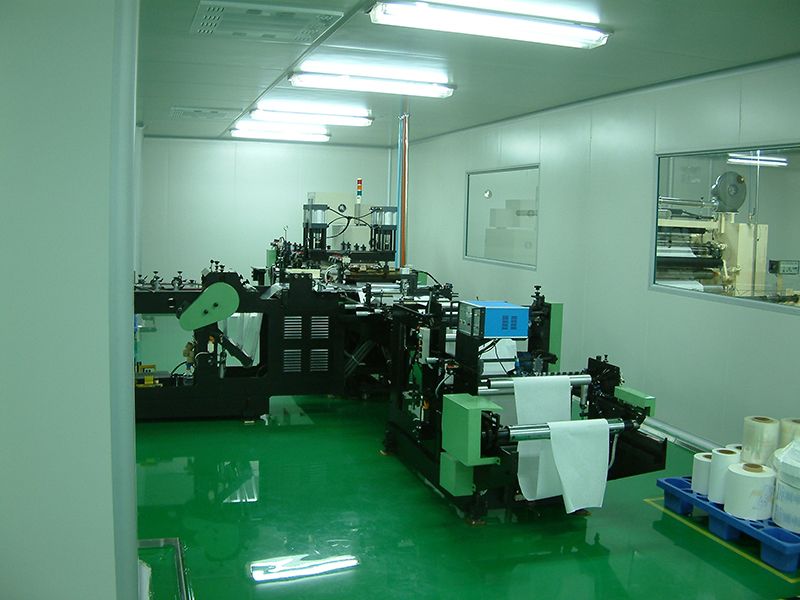
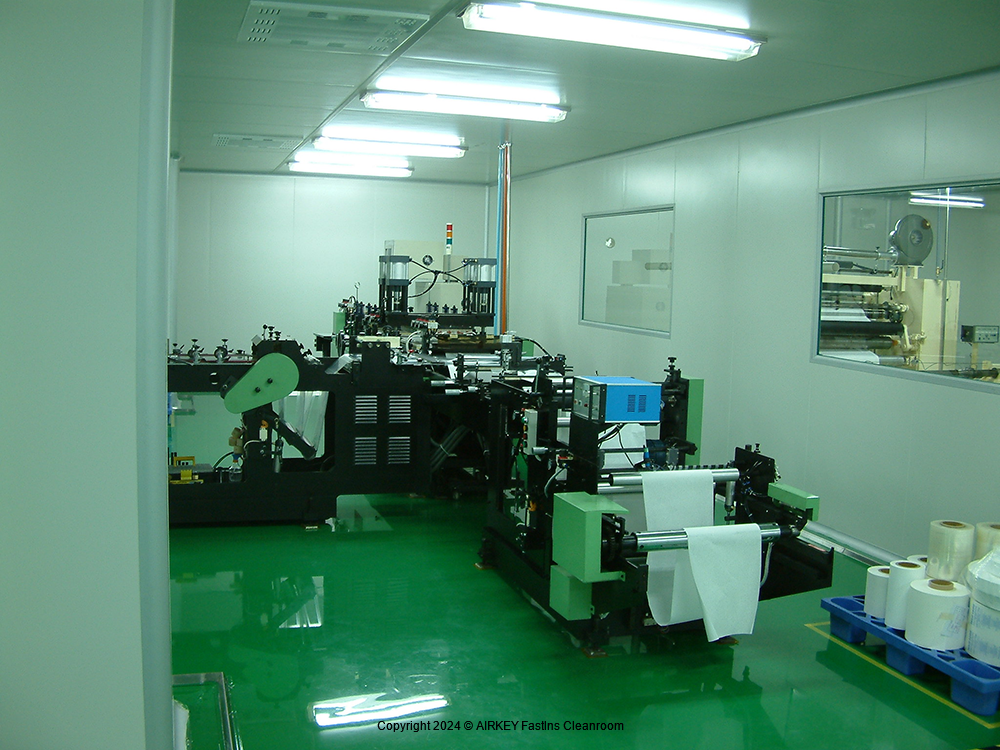
Epoxy floor available, ESD type optional
Resistance in 106~109Ω to control statics
Dust-proof and durable, allow for forklift movement
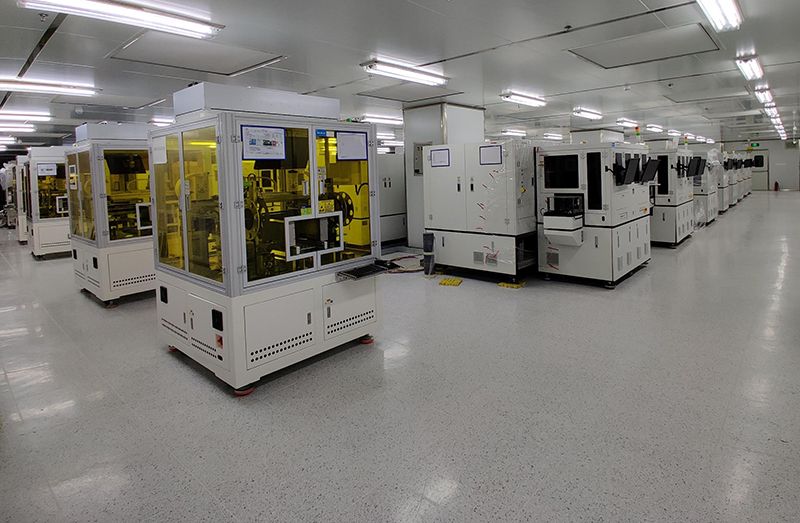
Anti-static PVC sheets or rolls available
Resistance in 106~109Ω to control statics
Dust-proof and easy to clean, suitable for cleanroom
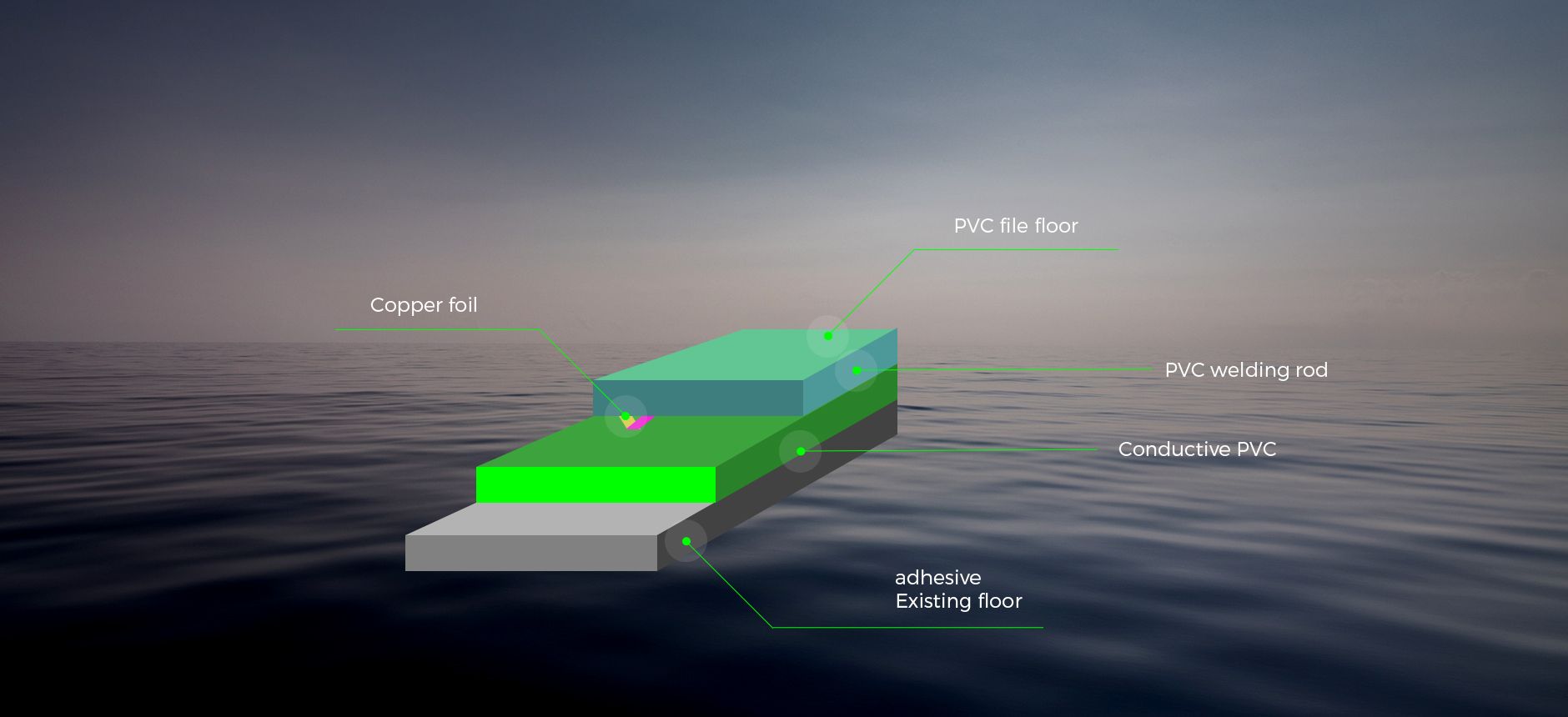
PVC Flooring Installation Drawing
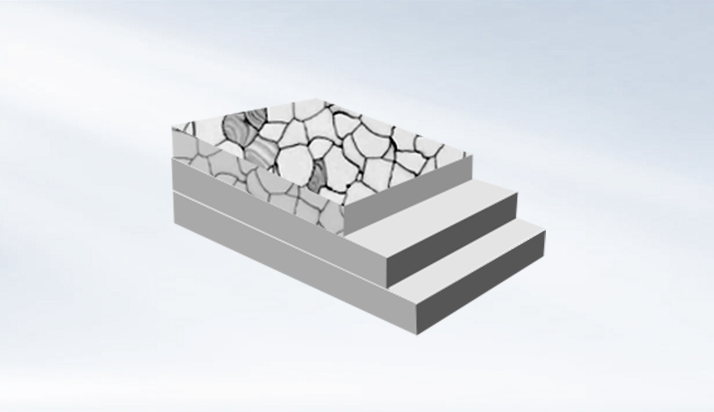
Anti-static PVC contains copper foil and conductive adhesive
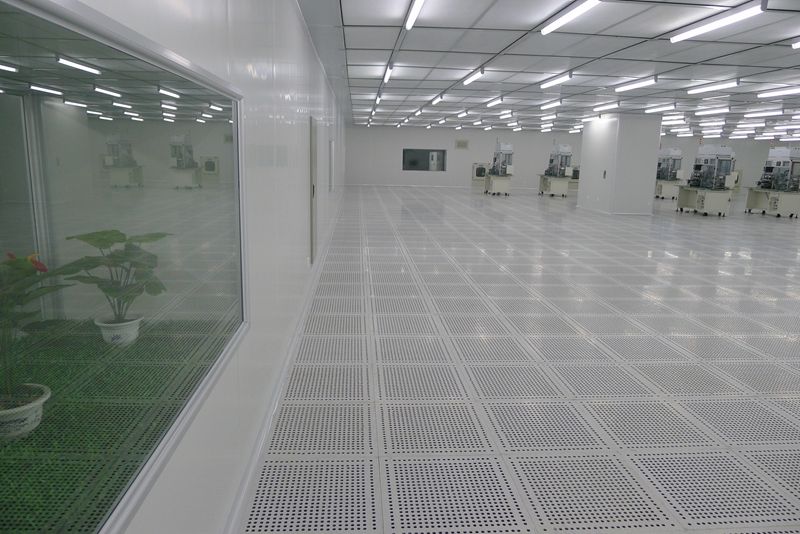
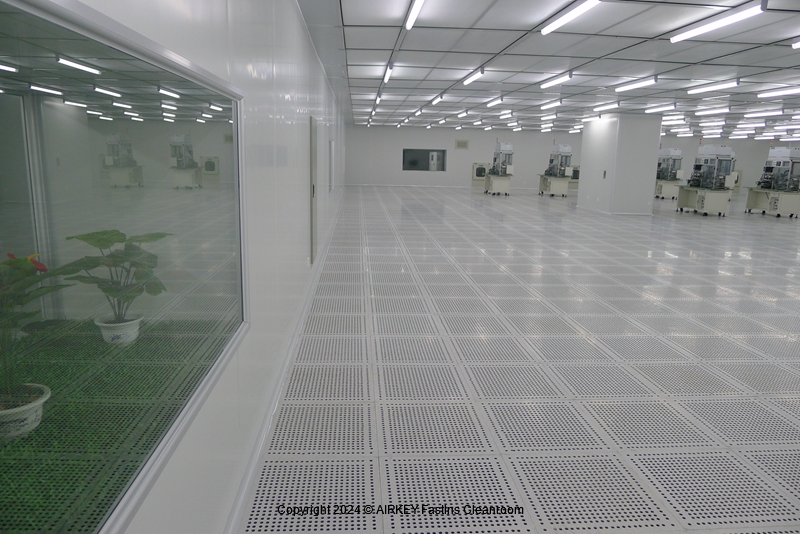
Raised floor with grilled surface to balance air flow
ESD surface optional to control statics
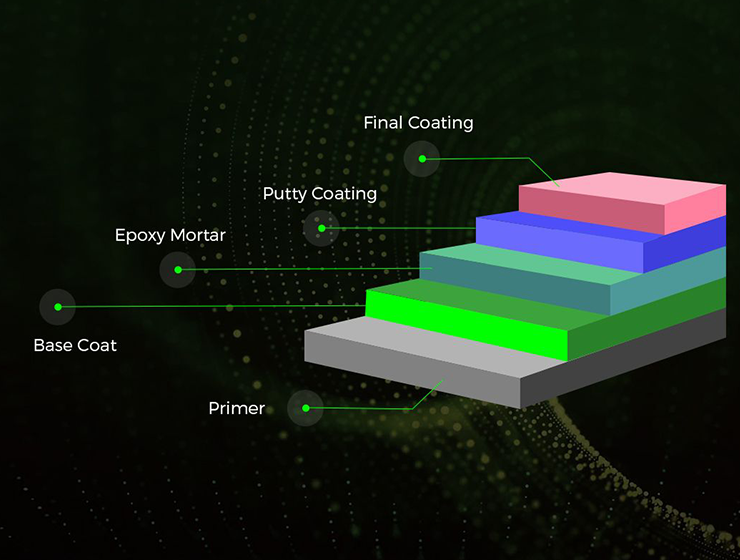
PVC Flooring Installation Drawing
Anti-static PVC contains copper foil
and conductive adhesive

PVC Floor Color Card
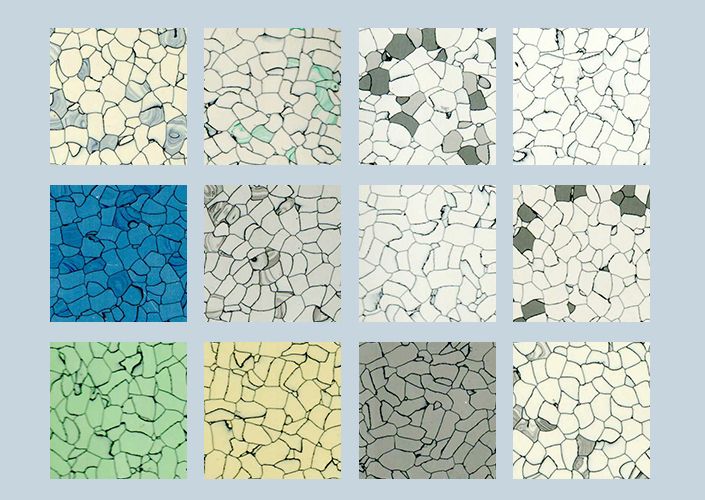
Anti-static PVC Color Card

Epoxy Floor Color Card
Specification
| Product | PVC Roll | PVC Sheet |
| Thickness | 2-3mm | 2-3mm |
| Size | 20X2m | 600X600mm |
| Weight | 2.85-5kg/m2 | 3.8-5.8kg/m2 |
| ESD resistance(ESD type) | 106-109Ω | 106-109Ω |
| Size deviation | ≤0.40% | ≤0.10% |
| Anti-wear capacity | 0.014g/cm2 | 0.014g/cm2 |
| Anti-wear performance | T<2.0mm3 | T<2.0mm3 |
| Load bearing test | 3000kg | 3000kg |
| Chemical resistance | Good | Good |
Gallery
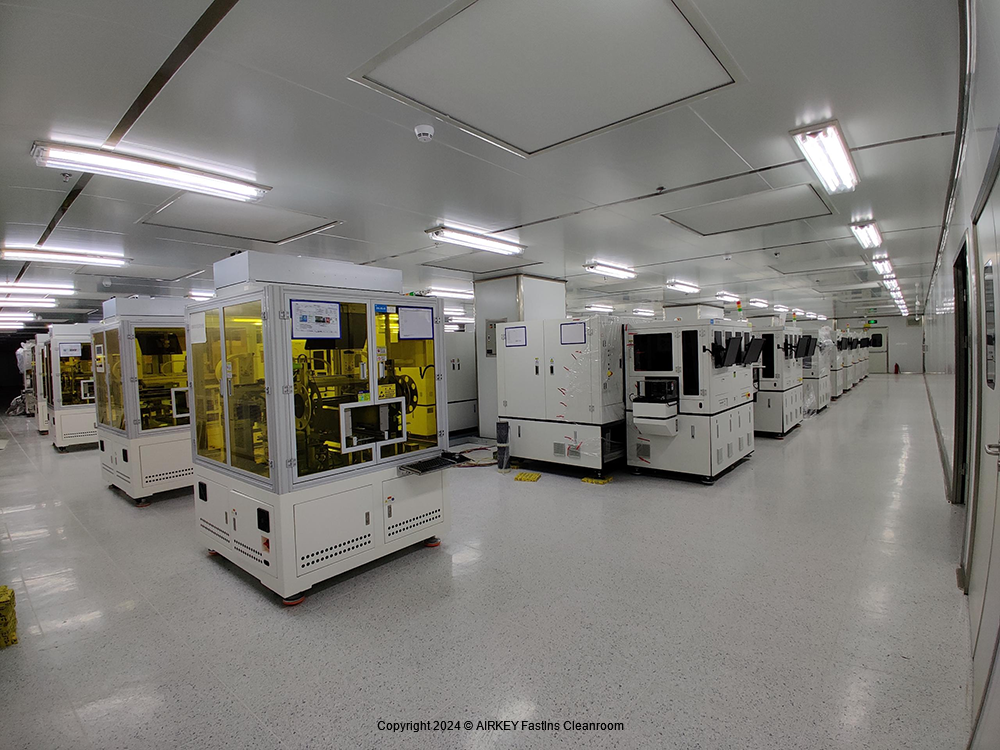
Related products
Recent Projects
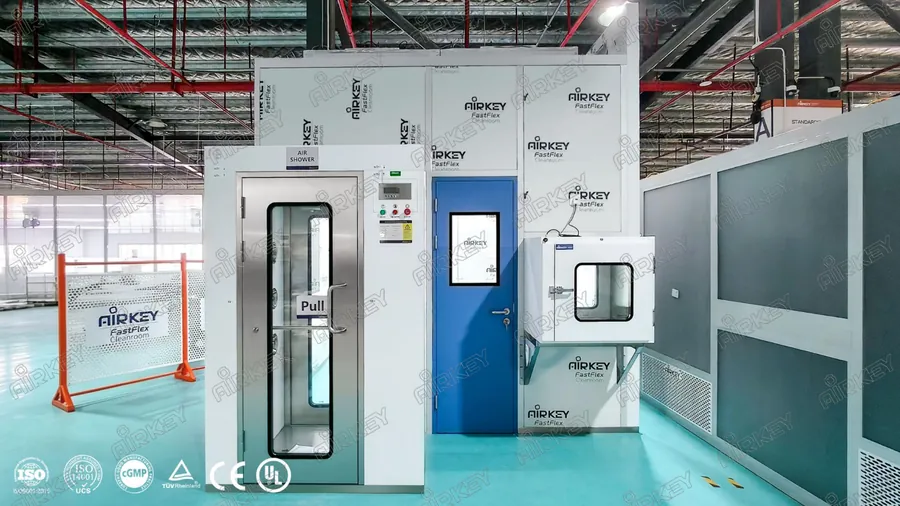
ISO 5 Modular Cleanroom Manufacturer for Medical Research in Singapore
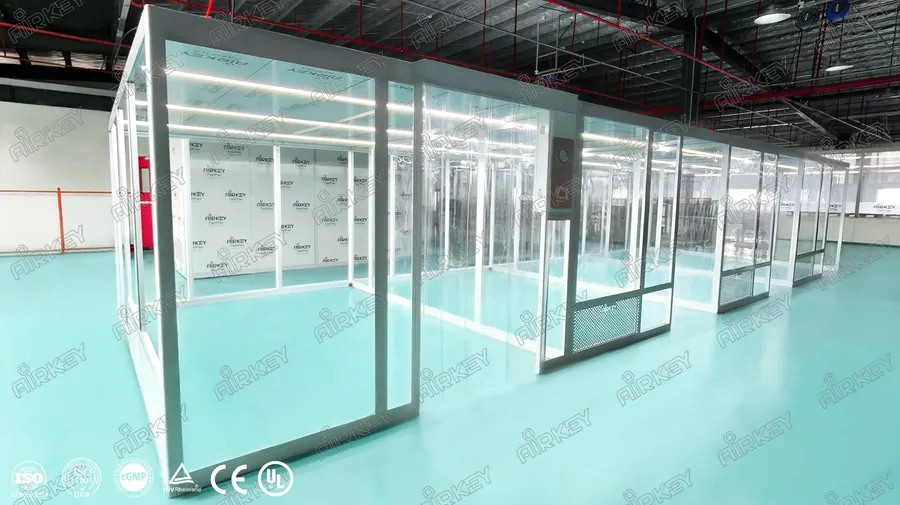
ISO 7 Modular Cleanroom Manufacturer for Pharmaceutical Packaging in the USA
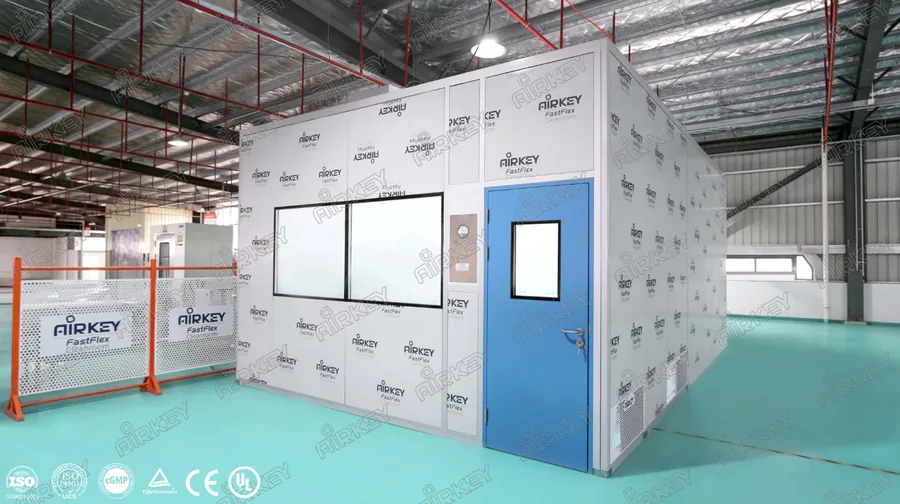
ISO 6 Modular Cleanroom Manufacturer for Optical Component Production in Germany
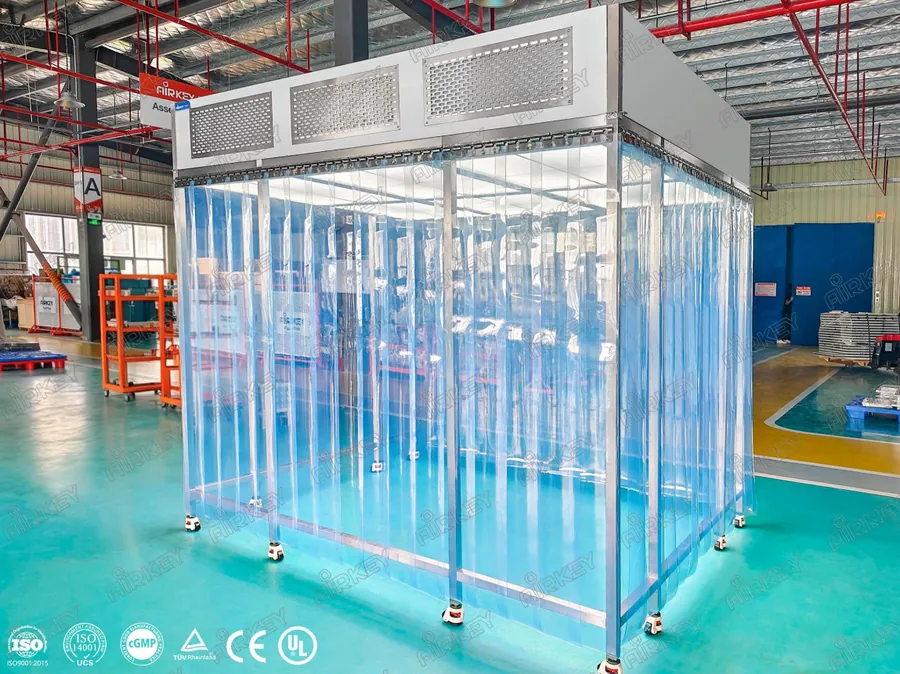
GMP-Compliant Laminar Airflow Hood for Pharmaceutical Manufacturing in Australia
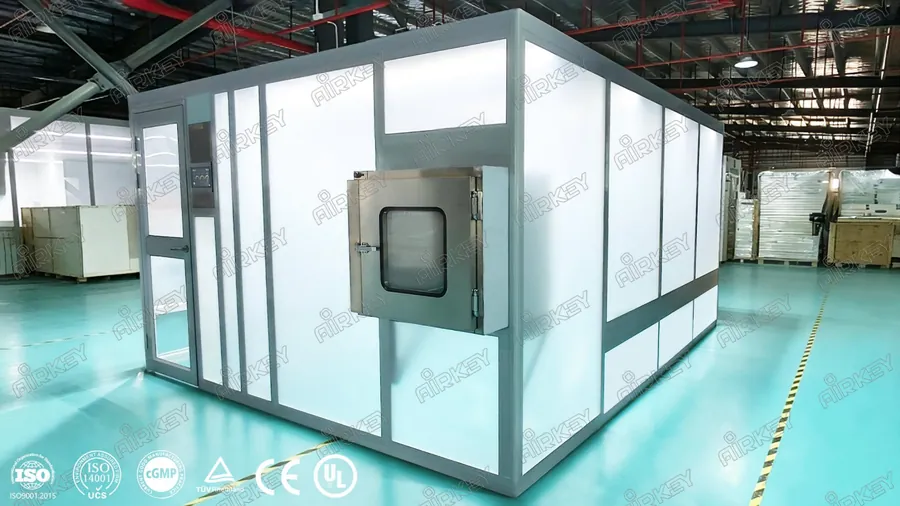
ISO 6 Modular Cleanroom Manufacturer for Cell Technology Research in Oman
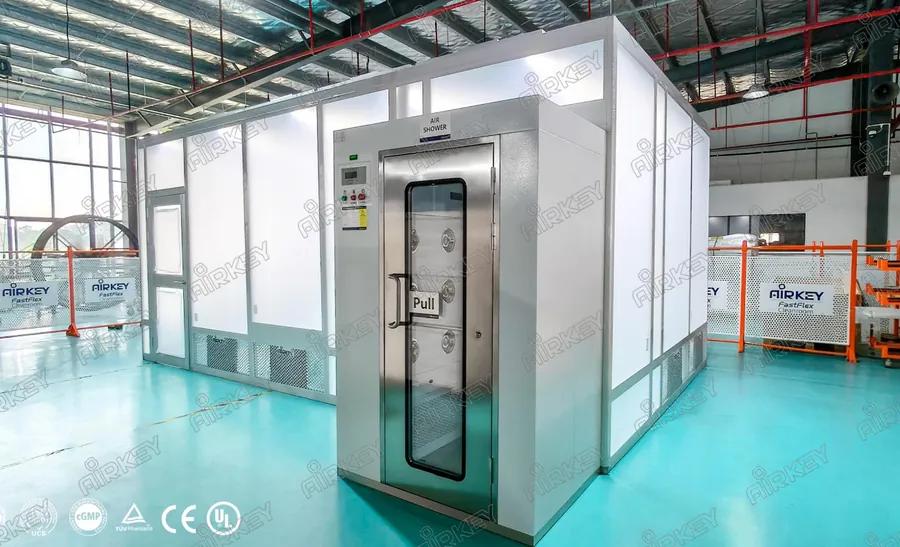
ISO 5 Modular Cleanroom Solution for Peptide Production in the USA
Frequently Asked Questions
1.Why can't existing concrete floor be used directly as the cleanroom floor?
A cleanroom has extremely high requirements for environment hygiene and cleanliness, while a concrete floor cannot meet these requirements. The reason is that a concrete floor is prone to cracking, and these cracks can hide dust and dirt, which cannot be thoroughly cleaned, thus destroying the dust-free environment of the cleanroom. In addition, a concrete floor does not have enough hardness, it can be easily scratched by sharp objects, and long-term friction on its surface can generate dust particles, which directly disrupt the cleanliness.
2.What is the most cost-effective cleanroom floor?
Among cleanroom floors, the price of ordinary 2mm PVC sheet flooring is the lowest. For the same specification, anti-static flooring adds around 10~15% to the cost. Converting the same specification sheets to rolls type increases the price by about 50~55%. Ordinary 2mm epoxy flooring is approximately 10~15% more expensive than ordinary 2mm PVC sheet flooring. Converting ordinary epoxy to anti-static epoxy increases the cost by around 45~50%.
3. Why is epoxy resin used as a cleanroom floor?
This is mainly due to its excellent adhesion, acid and alkali resistance, wear resistance, impact resistance , mold resistance, dust-proofing, and anti-slip properties. Epoxy resin floors come in bright and varied colors, are easy to clean, and can effectively reduce the generation and spread of dust and contaminates, maintaining the cleanliness and hygiene of the indoor environment. Additionally, epoxy resin floors provide electrostatic discharge(ESD) functionality, which makes them capable of meeting the high standards required for flooring materials in cleanrooms.
4. What is cleanroom raised floor?
Cleanroom raised floor is a special type of floor used in cleanroom environments. The design and installation of this type of floor aim to provide a clean and sterile working environment, suitable for places that require strict control over air cleanliness, such as semiconductor production facilities, precision module manufacturing areas, and precision aerospace manufacturing workshops.
5. Why is it not a good idea to lay carpet near a cleanroom?
Laying carpet near a cleanroom is not advisable because carpet tends to accumulate large amounts of dust, bacteria, mold, mites, and other microorganisms. These accumulations can become sources of contamination in the cleanroom air. Additionally, without regular and proper cleaning, the carpet can become a breeding ground for bacteria and mold, which may adversely affect the health of the cleanroom staff.
6. How to clean the cleanroom floor?
The key to cleaning a cleanroom floor involves using specialized cleaning tools and following specific cleaning procedures;
①Use dedicated mops and cleaning agents: use mops and cleaning agents that are specifically designed for cleanrooms to clean the floor, storing them separately from regular tools;
②Vacuum: Before mopping, thoroughly vacuum the floor using a specialized vacuum cleaner equipped with a HEAP Filter;
③Regular Waxing: Waxing should be conducted strictly and systematically to maintain the cleanliness of the floor and prevent the accumulation of static electricity;
④Inspection and documentation: After each cleaning session, perform a comprehensive inspection anddocument the results;
⑤Precautions: Always remember to wipe from top to bottom when working to avoid cross-contamination.