






































Guide You To Learn About Cleanroom
Definition:
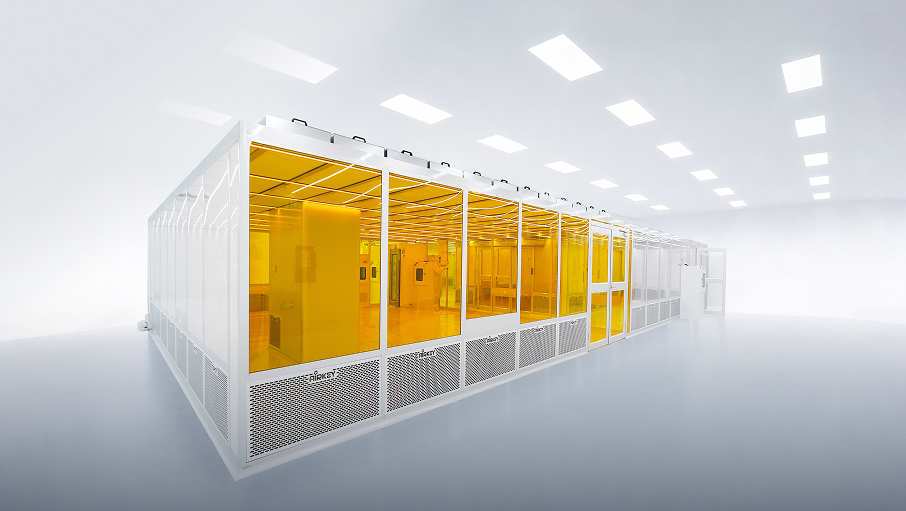
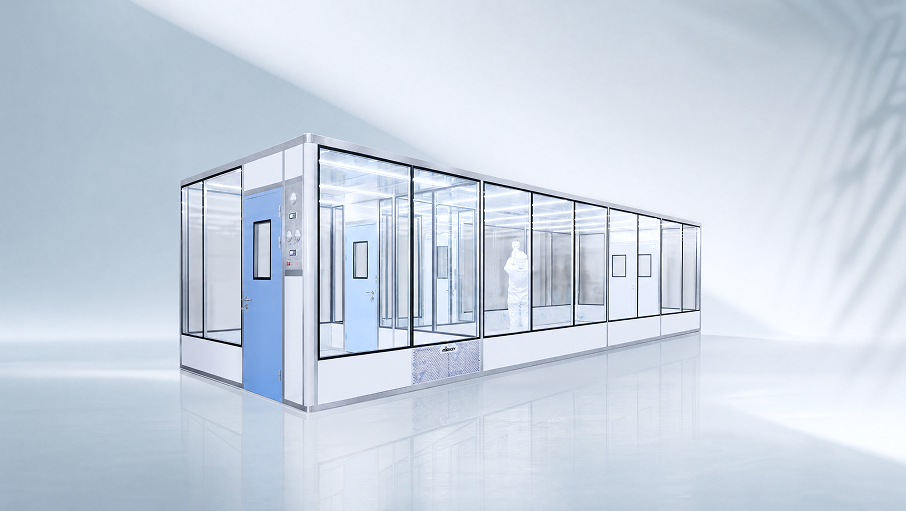
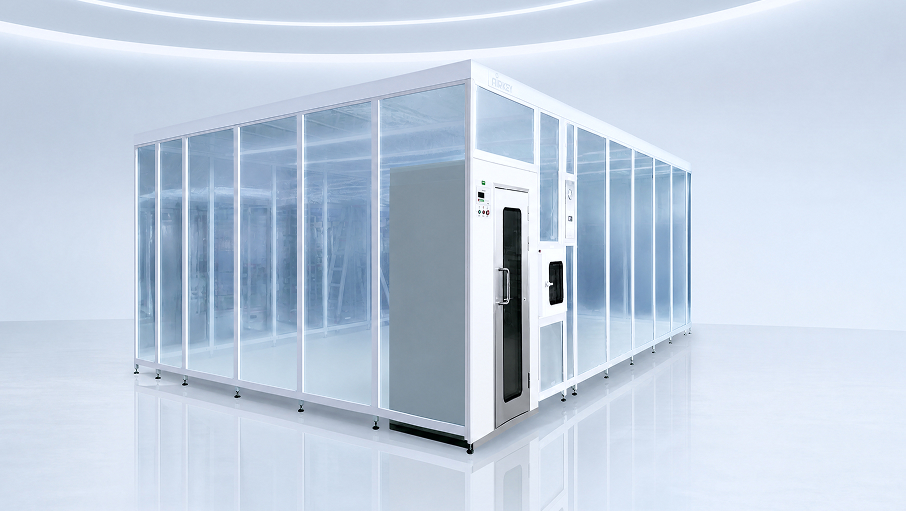
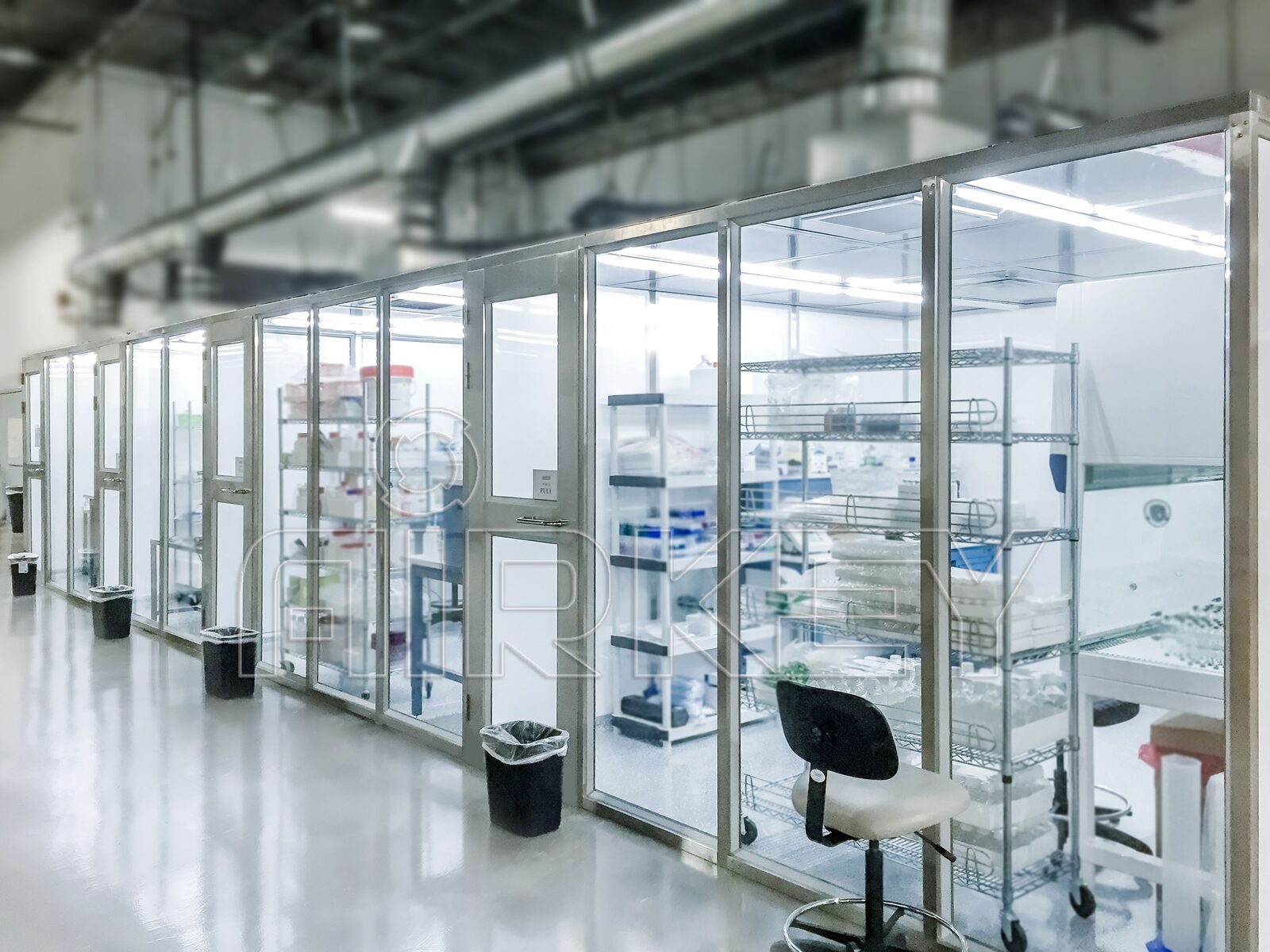
A cleanroom or clean room is an engineered space, which maintains a very low concentration of airborne particulatesby preventing them from entering, staying or generating inside clean room. Cleanrooms typically come with a cleanliness level along with other controlled parameters, including temperature, humidity, differential pressure, air velocity, etc.
Cleanroom Types:
Cleanrooms can be classified as below according to their purposes:
•Industrial cleanroom: mainly for controlling non-life particles;
•Bio-medical cleanroom: mainly for controlling both life-form (micro-organism) and non-life particles
Cleanrooms can be classified as below according to their airflow pattern:
•Unidirectional air flow(laminar flow) cleanroom;
•Non-unidirectional air flow(turbulent flow) cleanroom
•Mixed air flowcleanroom;
•Vector air flowcleanroom
Cleanroom Classification:
Cleanrooms are classified according to the number and size of particles permitted per volume of air:
|
ISO Class |
Maximum particles/m3A |
|||||
|
0.1μm |
0.2μm |
0.3μm |
0.5μm |
1μm |
5μm |
|
|
ISO 1 |
10 |
2 |
– |
– |
– |
– |
|
ISO 2 |
100 |
24 |
10 |
4 |
– |
– |
|
ISO 3 |
1000 |
237 |
102 |
35 |
8 |
– |
|
ISO 4 |
10000 |
2370 |
1020 |
352 |
83 |
– |
|
ISO 5 |
100000 |
23700 |
10200 |
3520 |
832 |
29 |
|
ISO 6 |
1000000 |
237000 |
102000 |
35200 |
8320 |
293 |
|
ISO 7 |
– |
– |
– |
352000 |
83200 |
2930 |
|
ISO 8 |
– |
– |
– |
3520000 |
832000 |
29300 |
|
ISO 9 |
– |
– |
– |
35200000 |
8320000 |
293000 |
|
A: All concentrations in the table are cumulative, e.g. for ISO Class 5, the 10 200 particles shown at 0,3 μm include all particles equal to and greater than this size. |
Cleanroom Application:
Cleanrooms are widely applied to below industries to provide a clean, safe and stable work space:
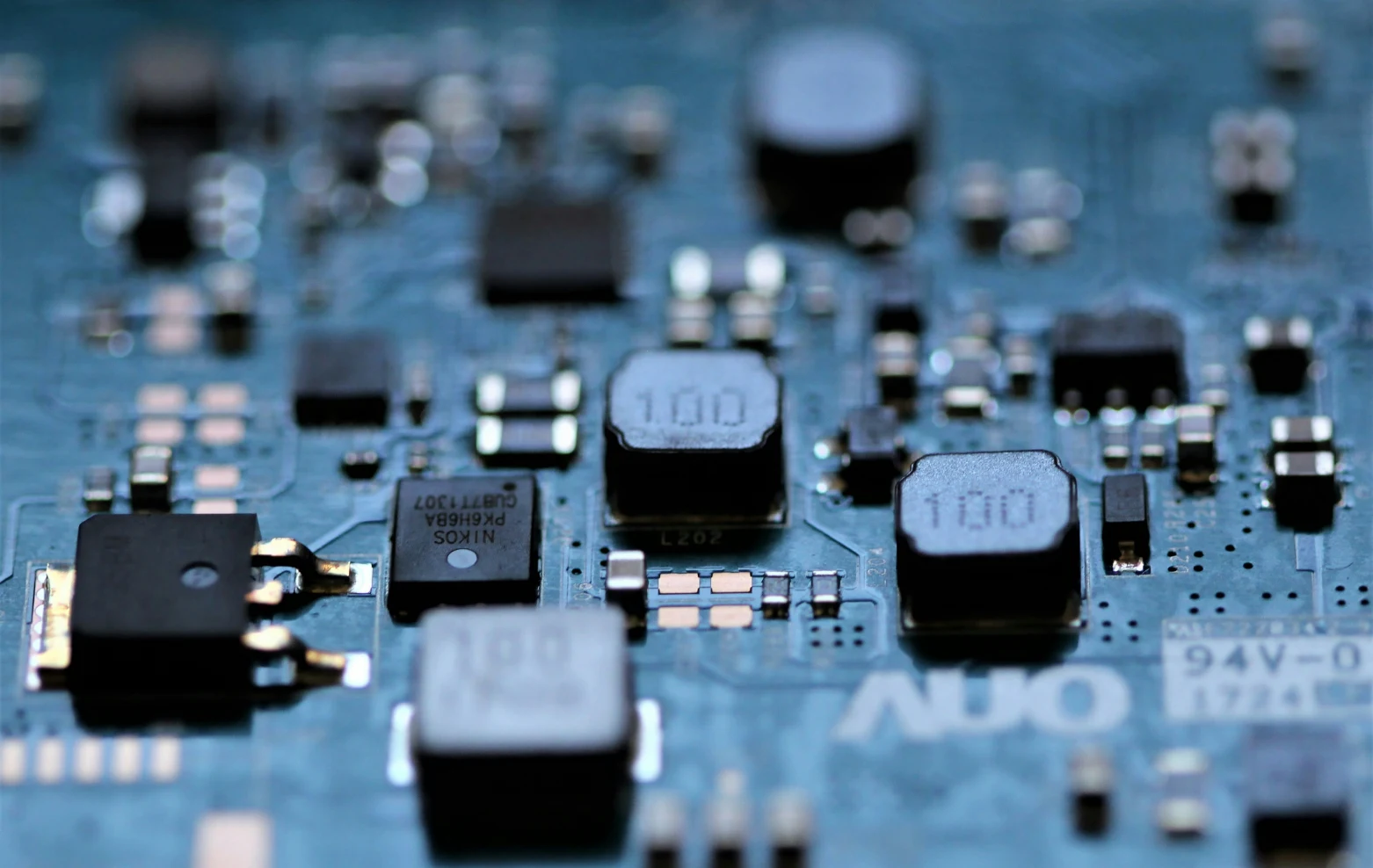
•Micro-electronics, semi-conductor,
•Precision machining
•Chemical manufacturing
•Nuclear industry
•Printing and coating
•Aerospacemanufacturing
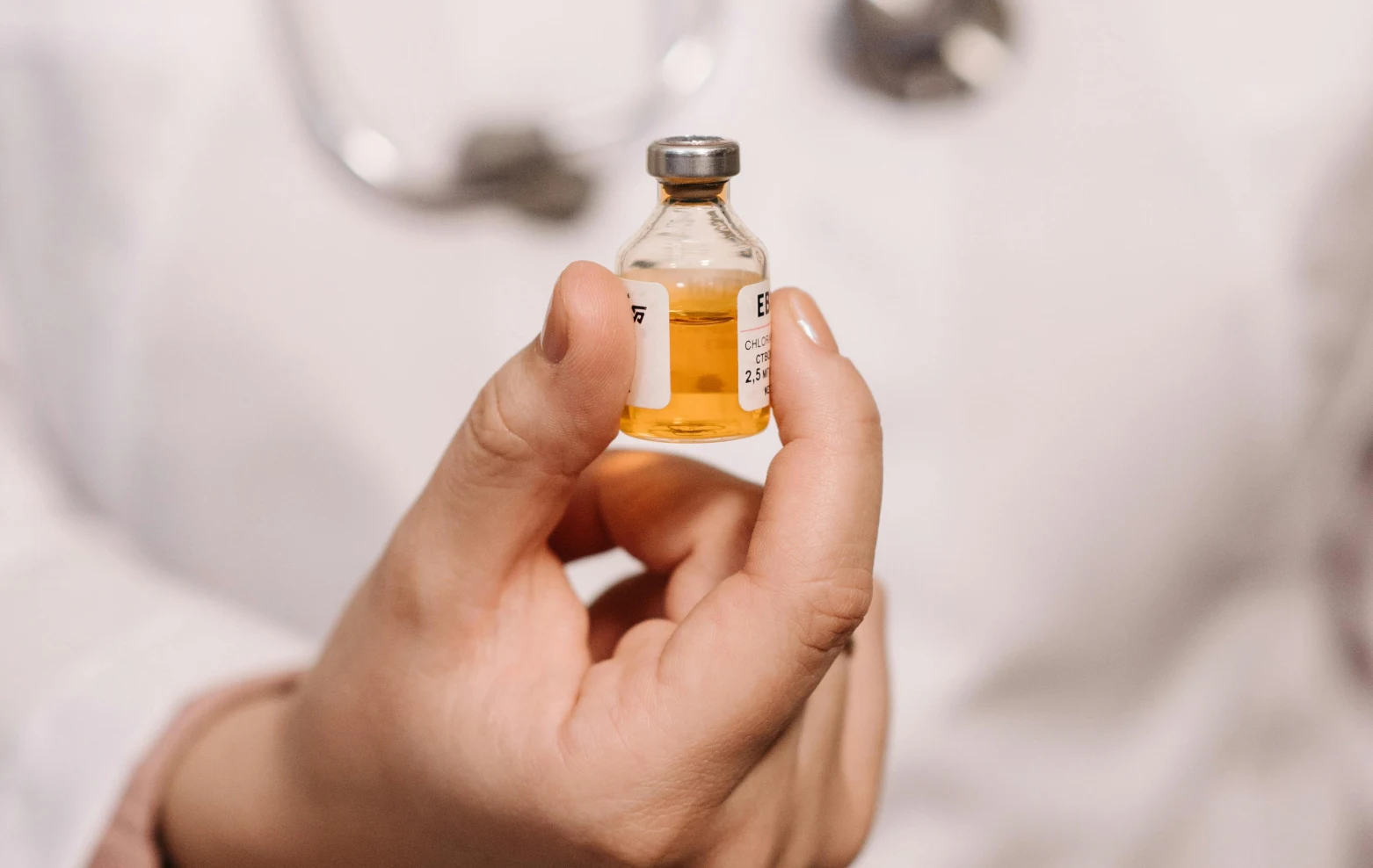
•Bio-pharmaceutical
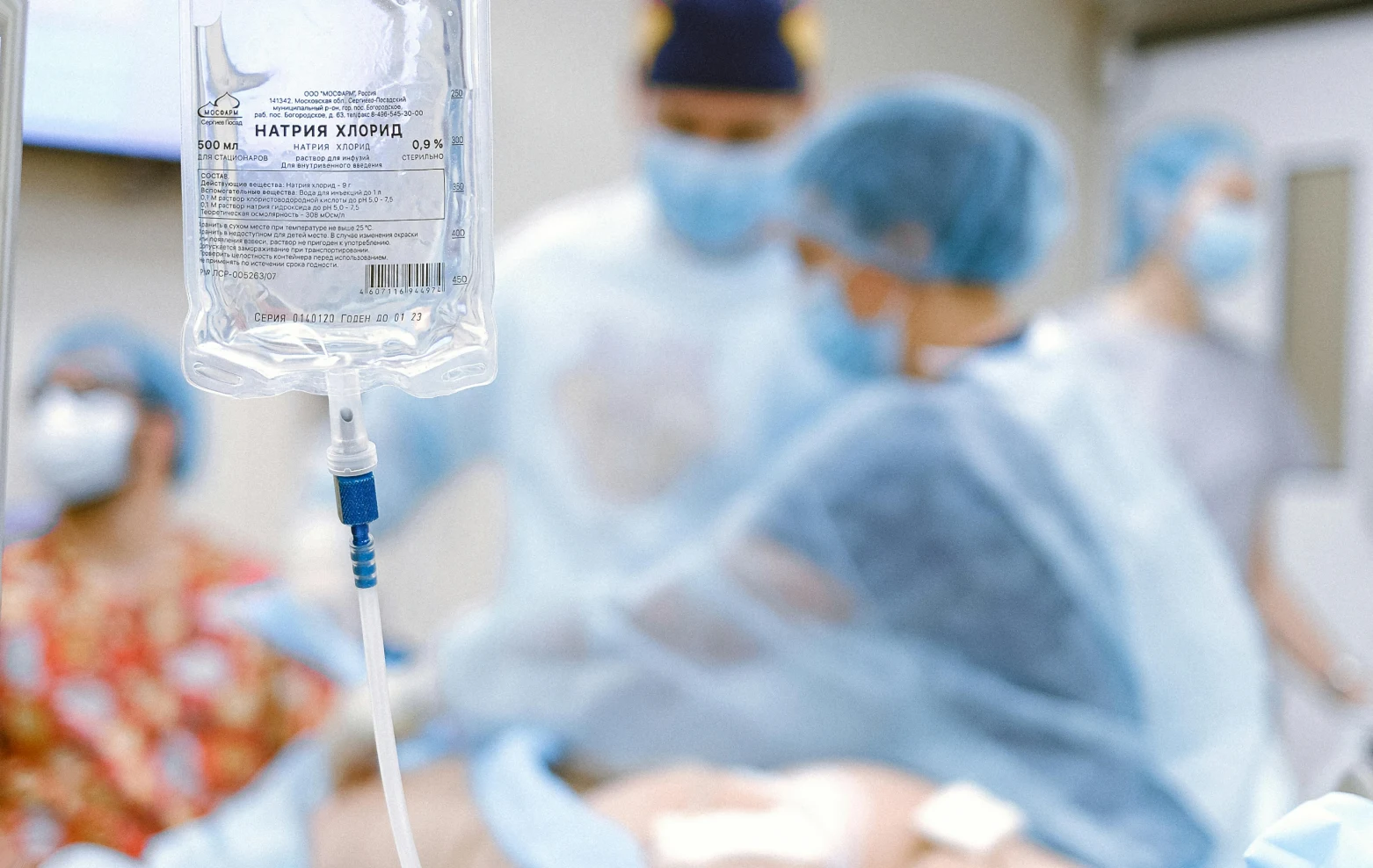
•Medical and laboratories
•Genetic engineering
•Food processing
•Daily chemicals manufacturing