










































How to Shorten the Construction Cycle of Large-Scale Modular Cleanroom Projects
How to Shorten the Construction Cycle of Large-Scale Modular Cleanroom Projects
Traditional cleanroom construction often requires long installation periods due to complex on-site coordination, sequential workflows, and extensive wet construction processes. For industries such as semiconductors, pharmaceuticals, electronics, and lithium battery manufacturing, delayed cleanroom delivery can directly impact production schedules and market opportunities.
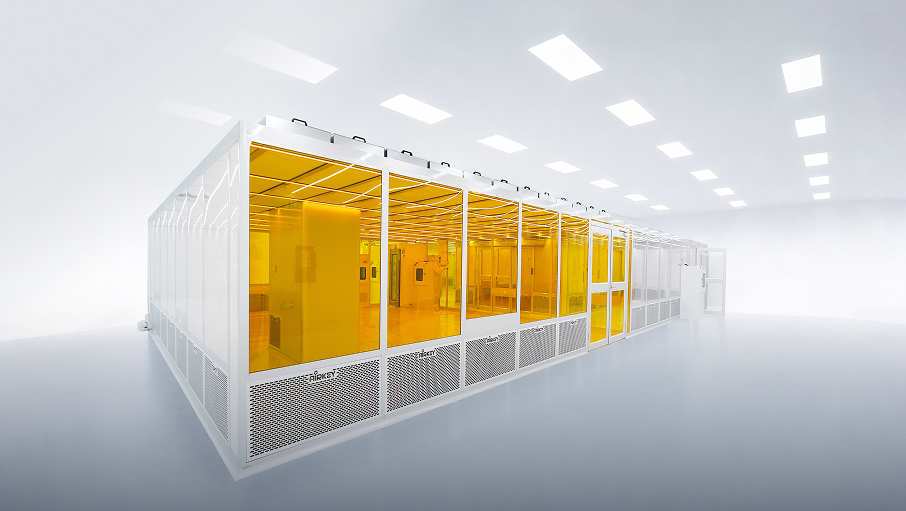
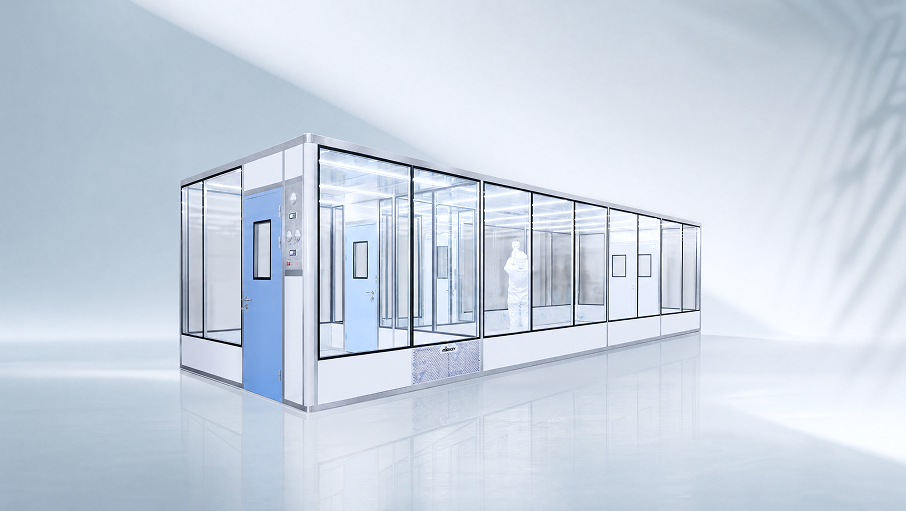
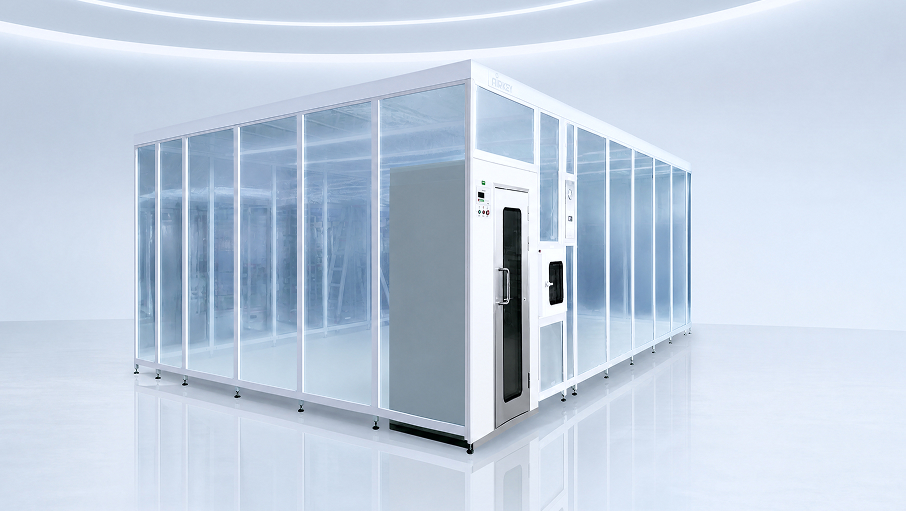
Modular cleanroom systems provide a faster and more flexible alternative. Through factory prefabrication, integrated MEP planning, and parallel construction strategies, large-scale modular cleanroom projects can significantly reduce installation time while maintaining high cleanliness standards and long-term scalability.
Why Prefabricated Modular Structures Improve Installation Efficiency
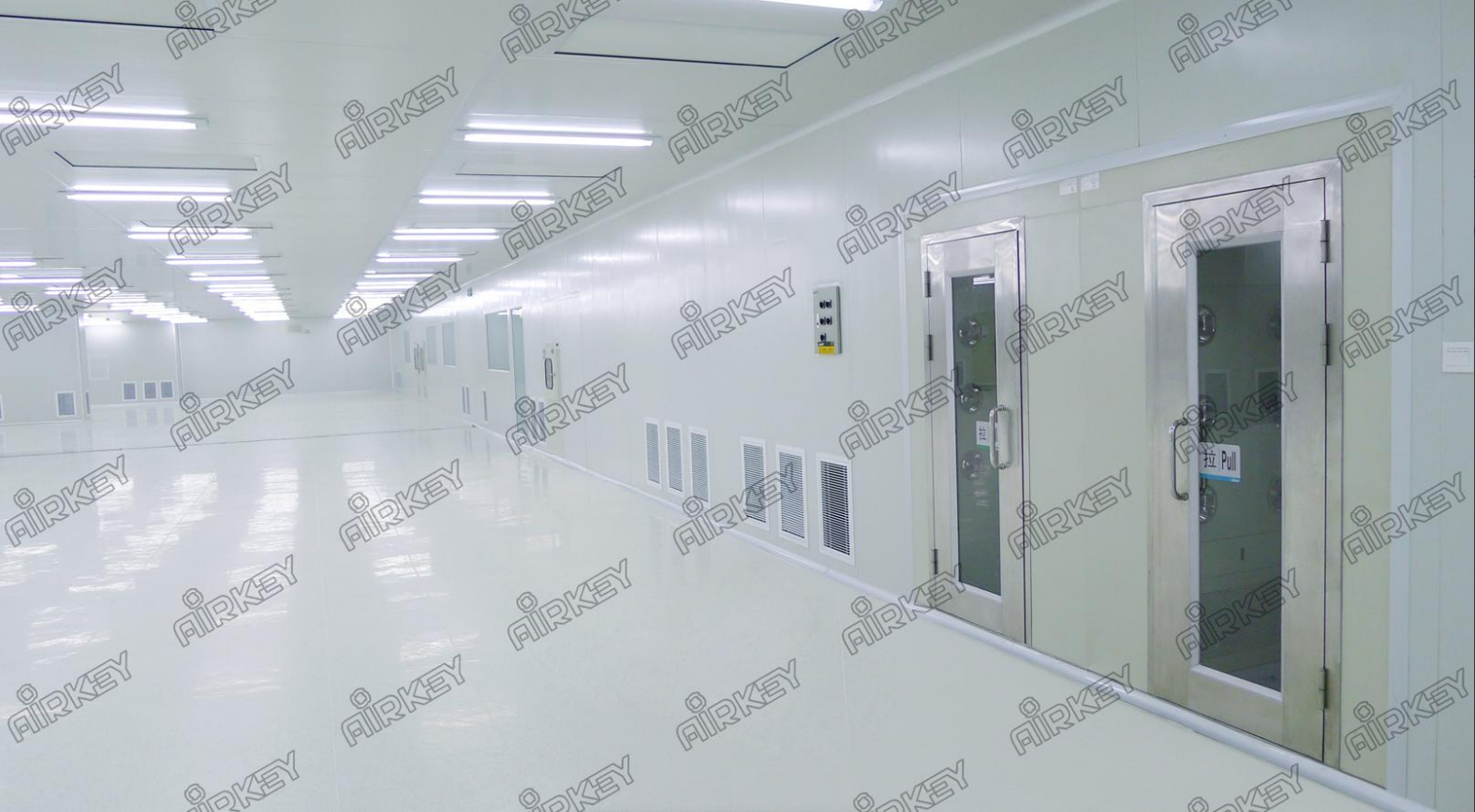
1.Factory Prefabrication Reduces On-Site Work
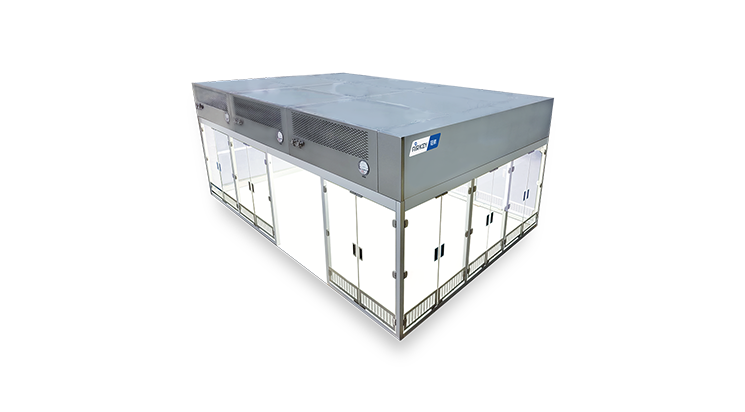
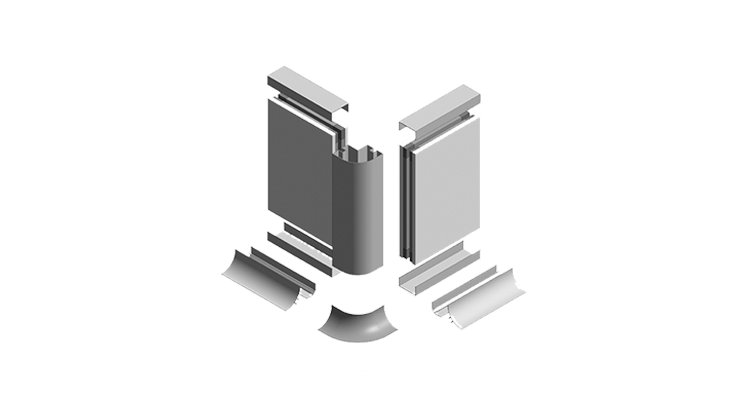
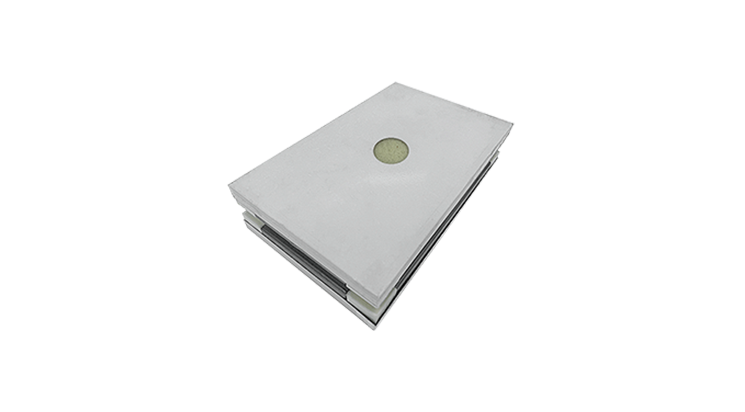
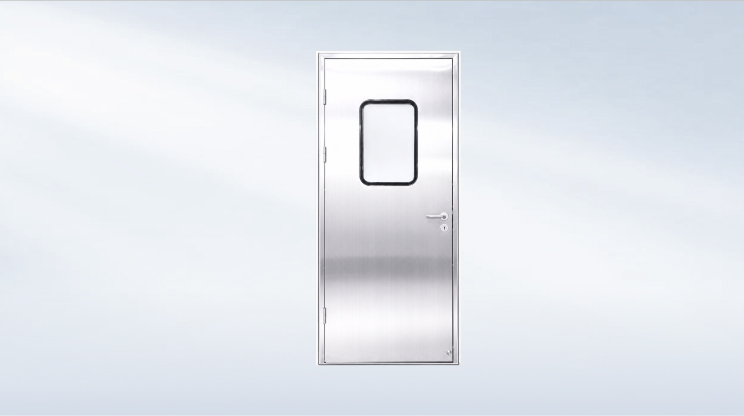
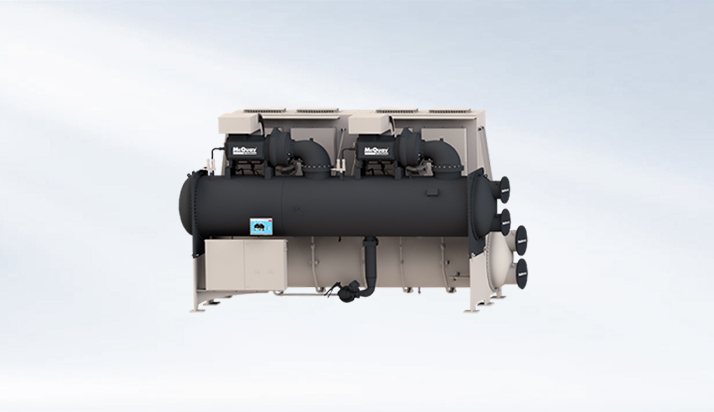
Wall panels, ceiling systems, doors, windows, FFUs, HVAC components, electrical wiring, and monitoring systems can be prefabricated and pre-assembled in a controlled factory environment before delivery to the project site.
Compared with traditional cleanroom construction, this approach minimizes on-site cutting, welding, drilling, and multi-trade coordination, helping reduce labor intensity and installation errors while accelerating project delivery.
In many large-scale projects, more than 70% of the construction workload can be completed in advance through factory prefabrication.
2.Standardized Interfaces Enable Fast Assembly
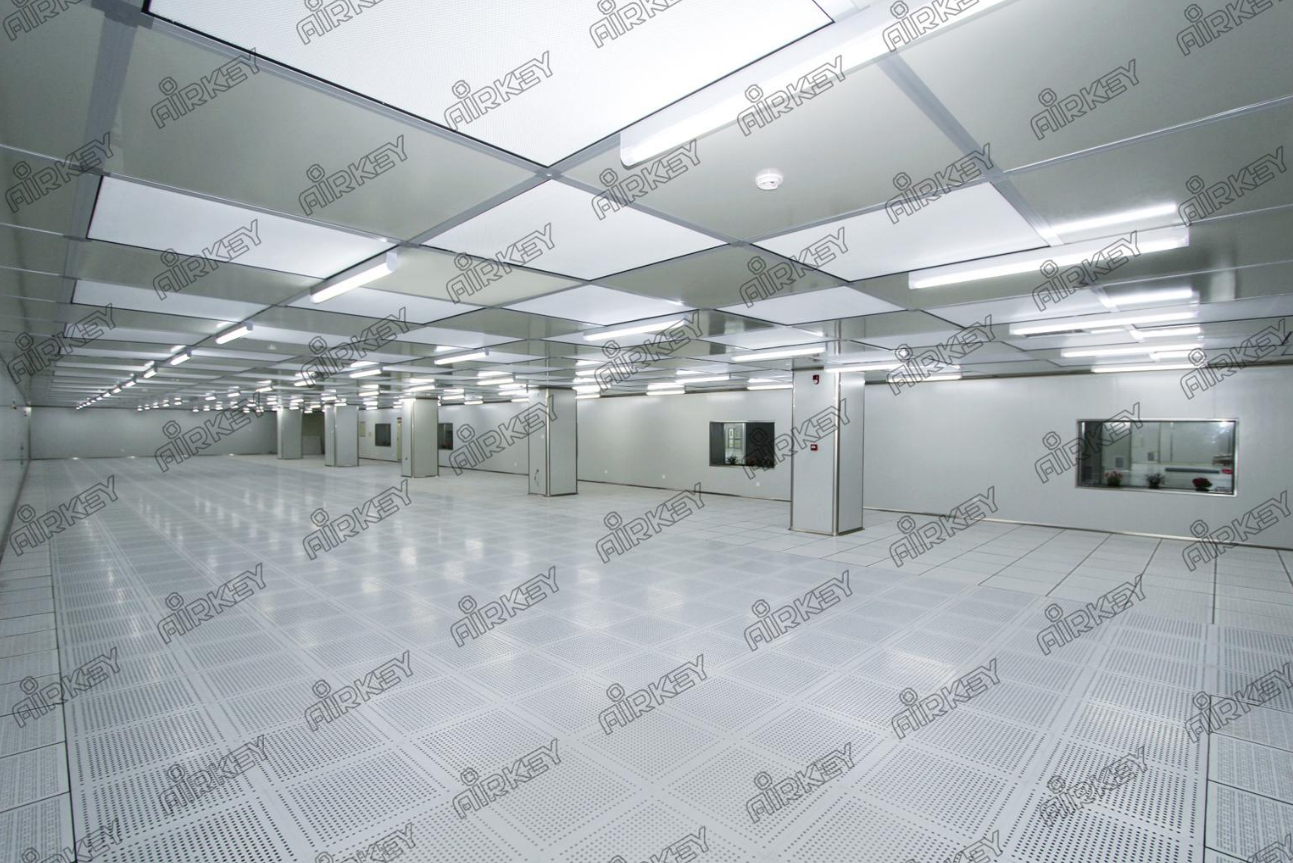
Modular cleanroom systems use standardized connection structures, including unified locking systems, sealing grooves, and reserved utility interfaces.
Each module is designed for fast connection without extensive field modification. The wall panels are typically integrated with insulation, fire resistance, anti-static surfaces, and airtight sealing layers, eliminating additional finishing processes on-site.
This plug-and-play installation method significantly improves assembly efficiency and reduces the risk of rework caused by manual installation deviations.
3.Dry Construction Shortens Installation Time
Unlike conventional construction methods that rely heavily on concrete work, plastering, and curing processes, modular cleanrooms mainly use dry assembly techniques.
After delivery to the site, modules only require positioning, fastening, sealing, and utility connections. This greatly shortens construction timelines and minimizes disruption to surrounding production environments.
For urgent production expansion projects, some modular cleanroom areas can be installed and commissioned within weeks.
4.Parallel Construction Accelerates Project Delivery
Factory manufacturing and on-site foundation preparation can proceed simultaneously, while multiple cleanroom zones can also be prefabricated and installed in parallel.
This multi-threaded construction approach avoids the delays commonly associated with sequential workflows in traditional cleanroom projects.
As a result, overall project timelines can typically be reduced by 3050%, helping manufacturers achieve faster time-to-market.
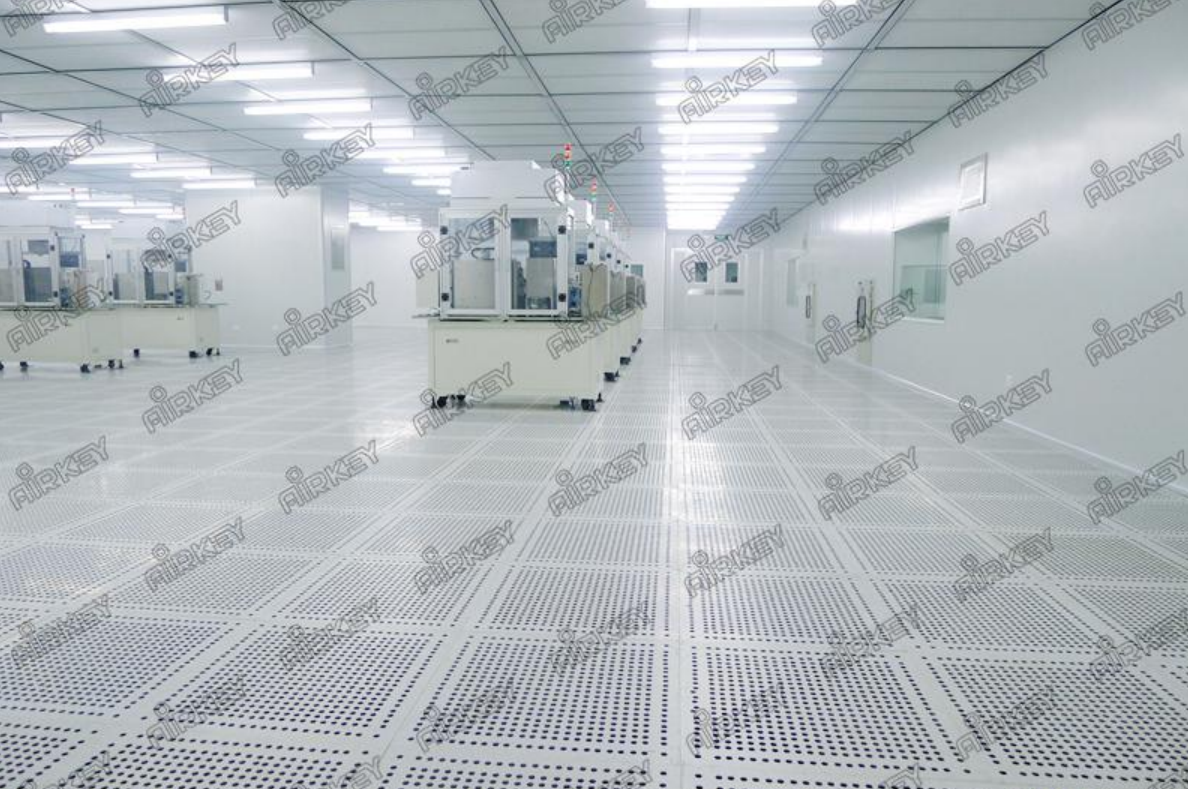
5.High Reusability Supports Future Relocation
Modular cleanrooms are designed with fully demountable structures that allow relocation, expansion, and reconfiguration with minimal material waste.
The reusable rate of modular components can reach up to 98%, making them highly suitable for facilities that require future layout adjustments, production upgrades, or capacity expansion.

Conclusion
Large-scale modular cleanroom projects achieve faster construction timelines through factory prefabrication, integrated HVAC and MEP planning, and parallel construction strategies.
Compared with traditional cleanroom construction, modular systems offer significant advantages in installation efficiency, scalability, contamination control, and future flexibility.
For industries requiring rapid deployment and continuous production expansion, modular cleanrooms provide a practical and cost-effective solution that supports both current manufacturing needs and long-term growth.
Planning a Large-Scale Modular Cleanroom Project?
Whether you are building a semiconductor cleanroom, pharmaceutical production facility, lithium battery dry room, or medical device manufacturing environment, modular cleanroom systems can help shorten construction timelines while improving operational flexibility.
Contact us to discuss customized cleanroom solutions, project planning, and turnkey engineering support for your next facility expansion project.