


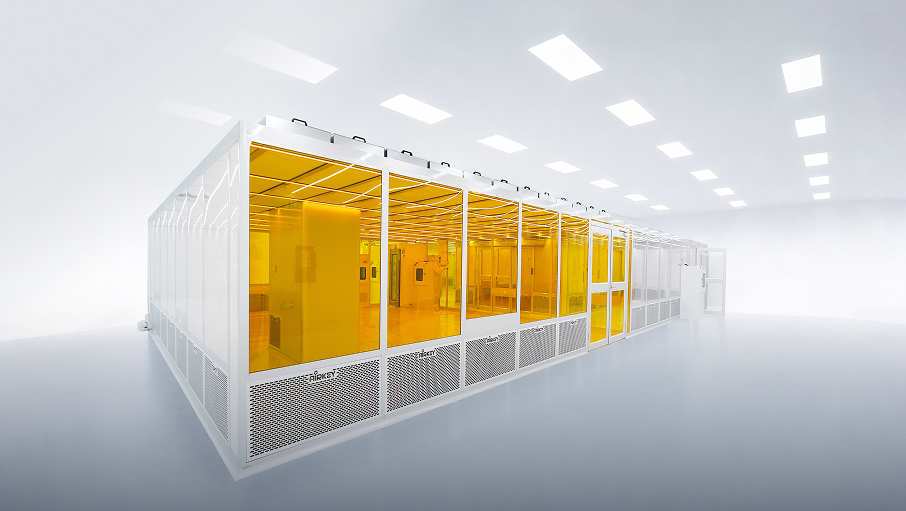
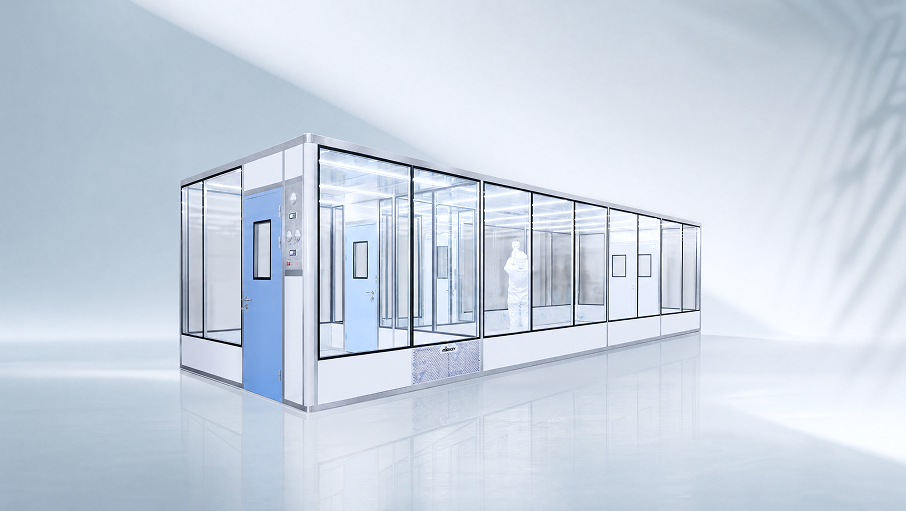
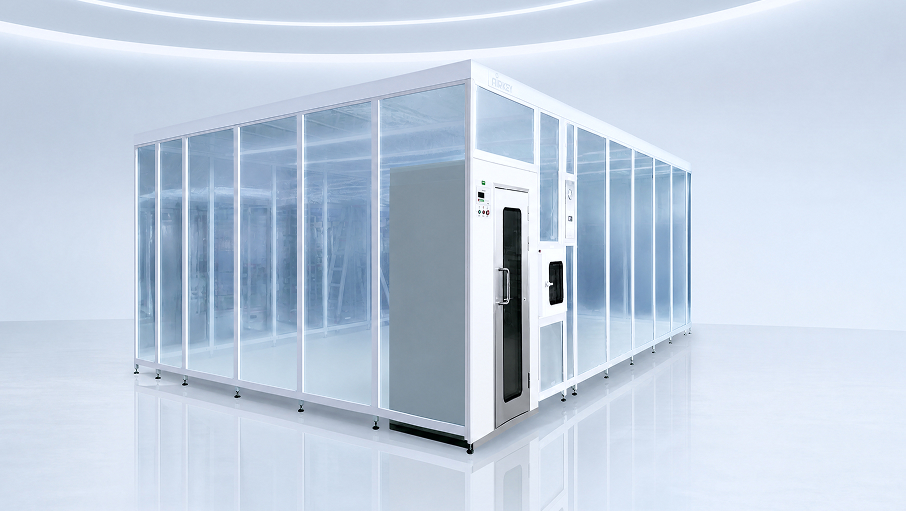
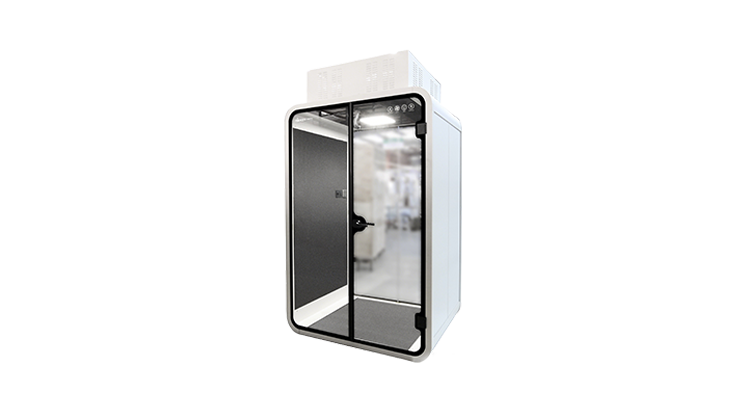






































Product features
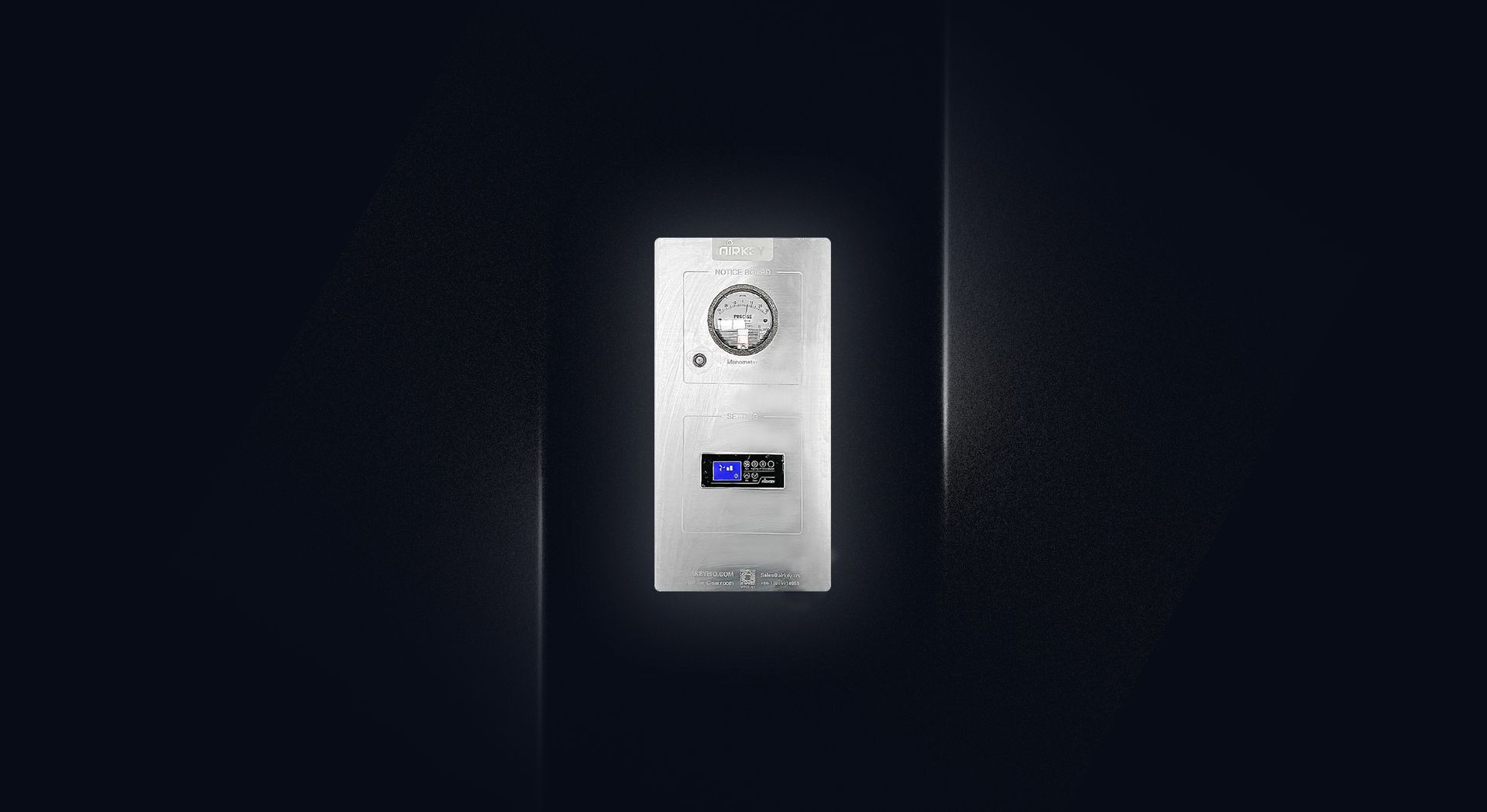
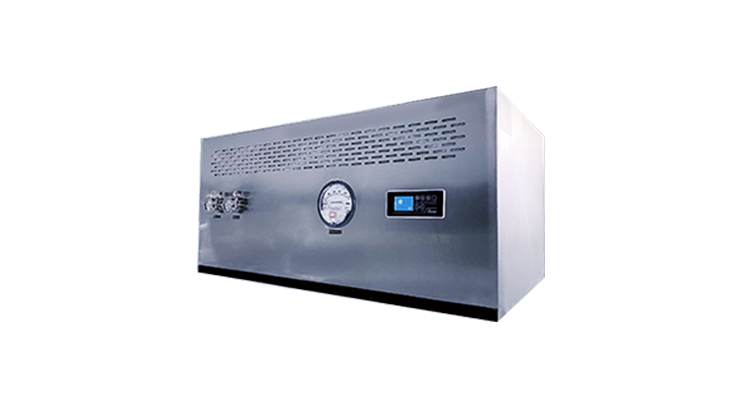
Intelligent Control Panel



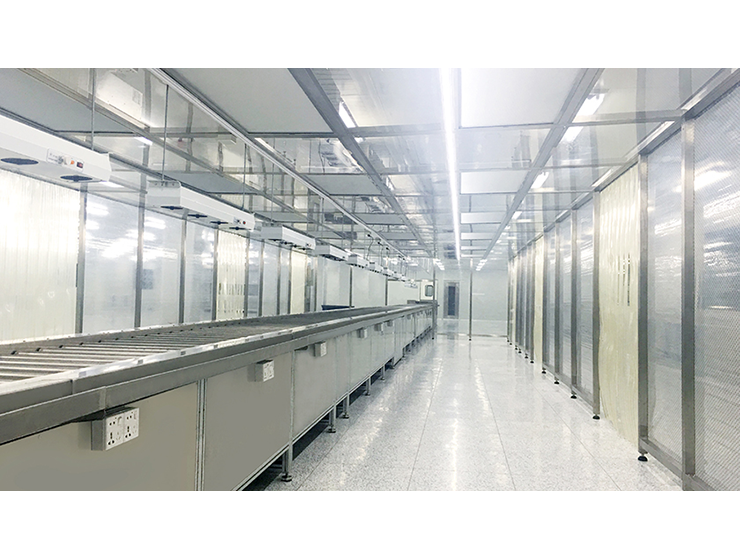
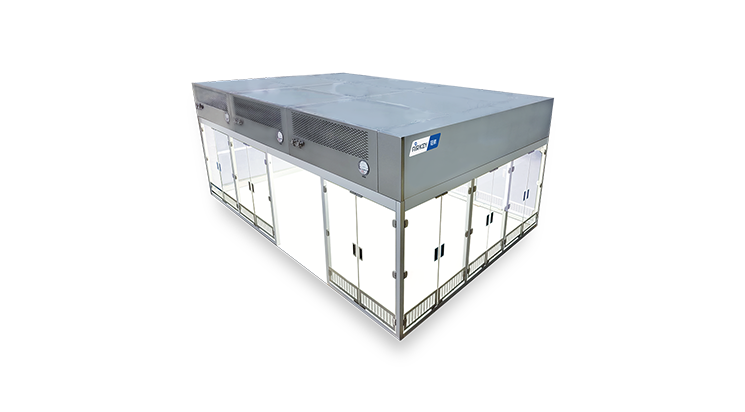
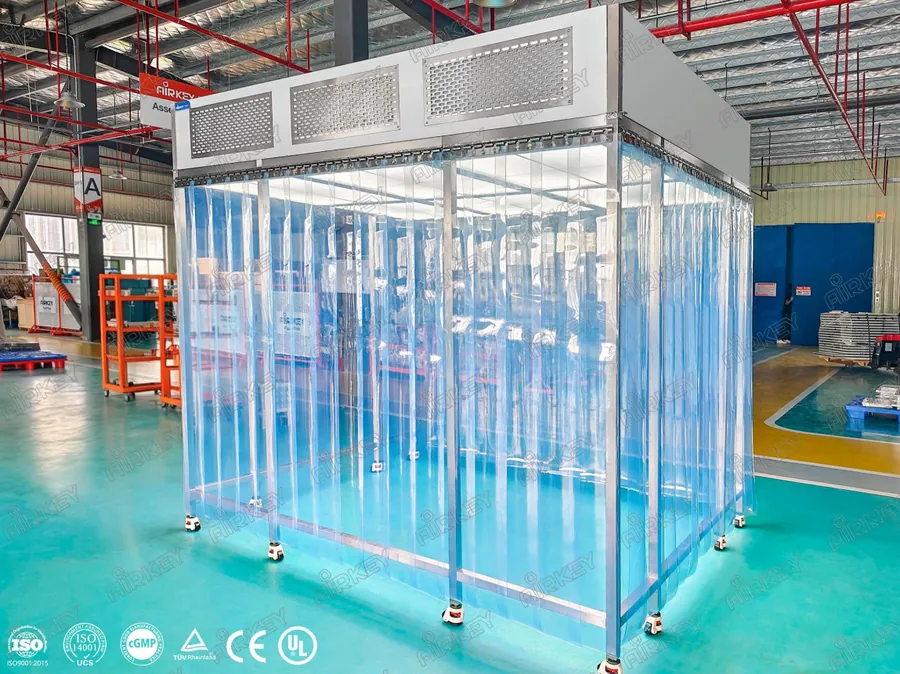
Free-standing structure
- Free of external support or suspension
- Rigid steel frames, easy to clean
- Anti-static PVC softwall, lightweight for assembly and transparent for high visual clarity, most cost effective proposal

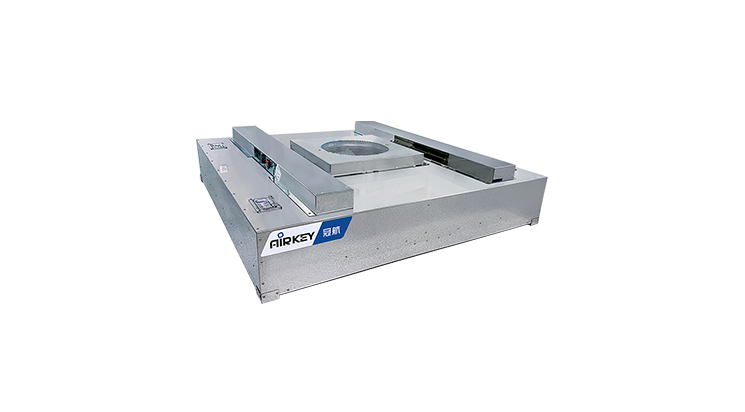
FFU with H14 HEPA filter on top ISO Class 5-9 optional


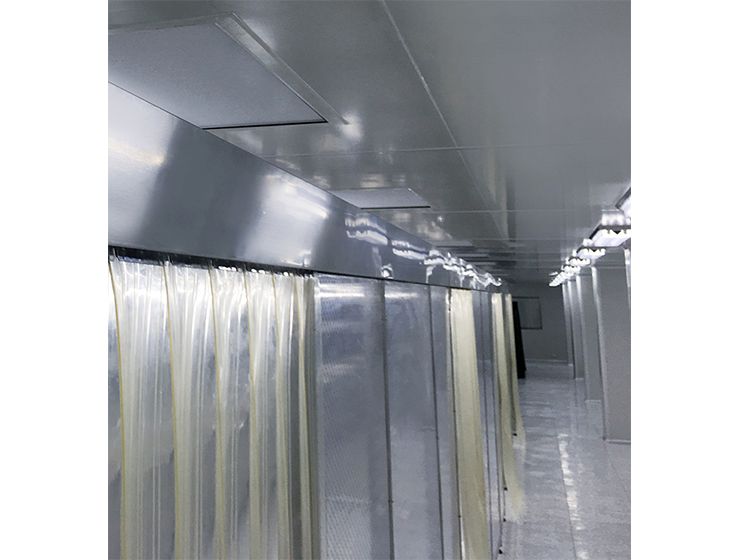
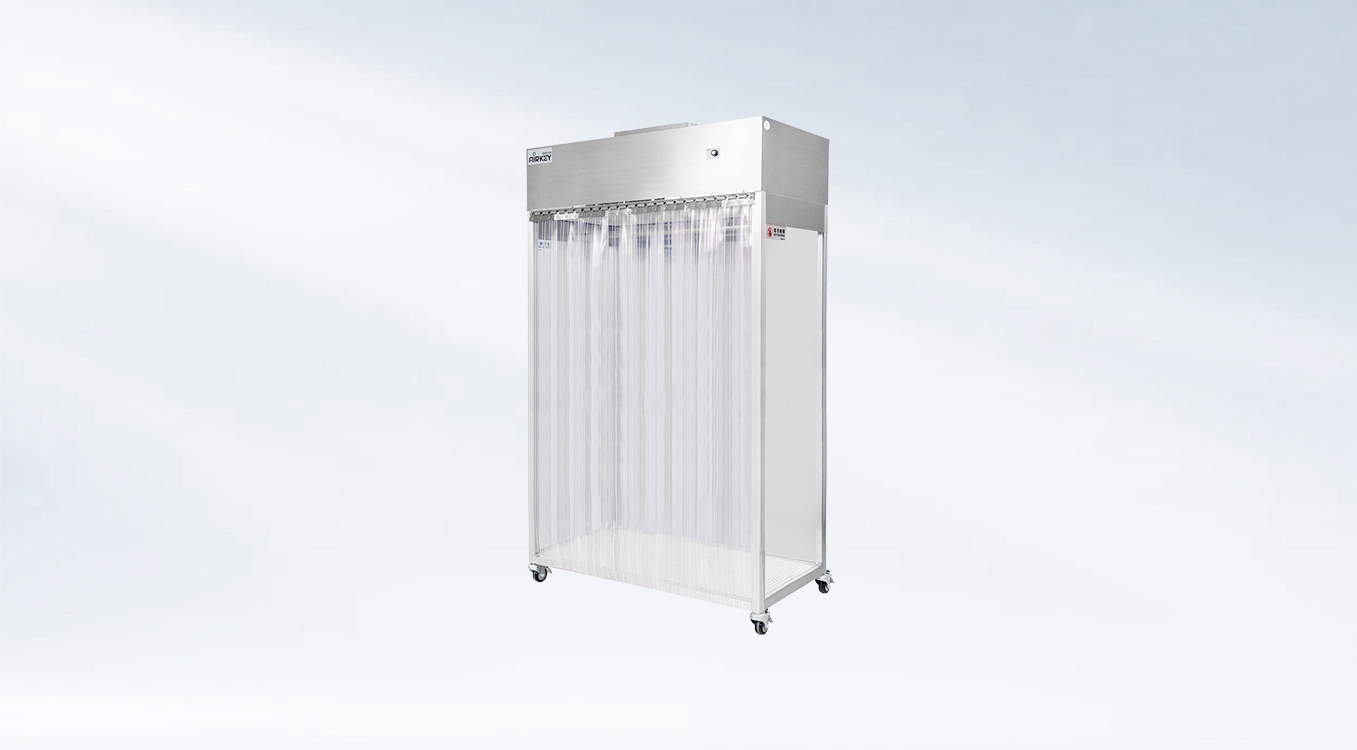
PVC strip curtain door Acrylic door optional, swing or sliding
For entrance and exit of personnel, materials or equipment, flexible deployment and no size limit
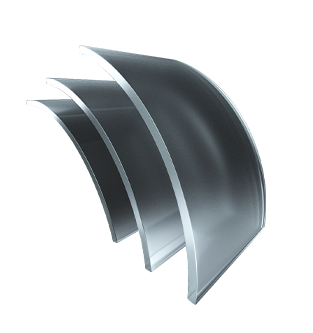
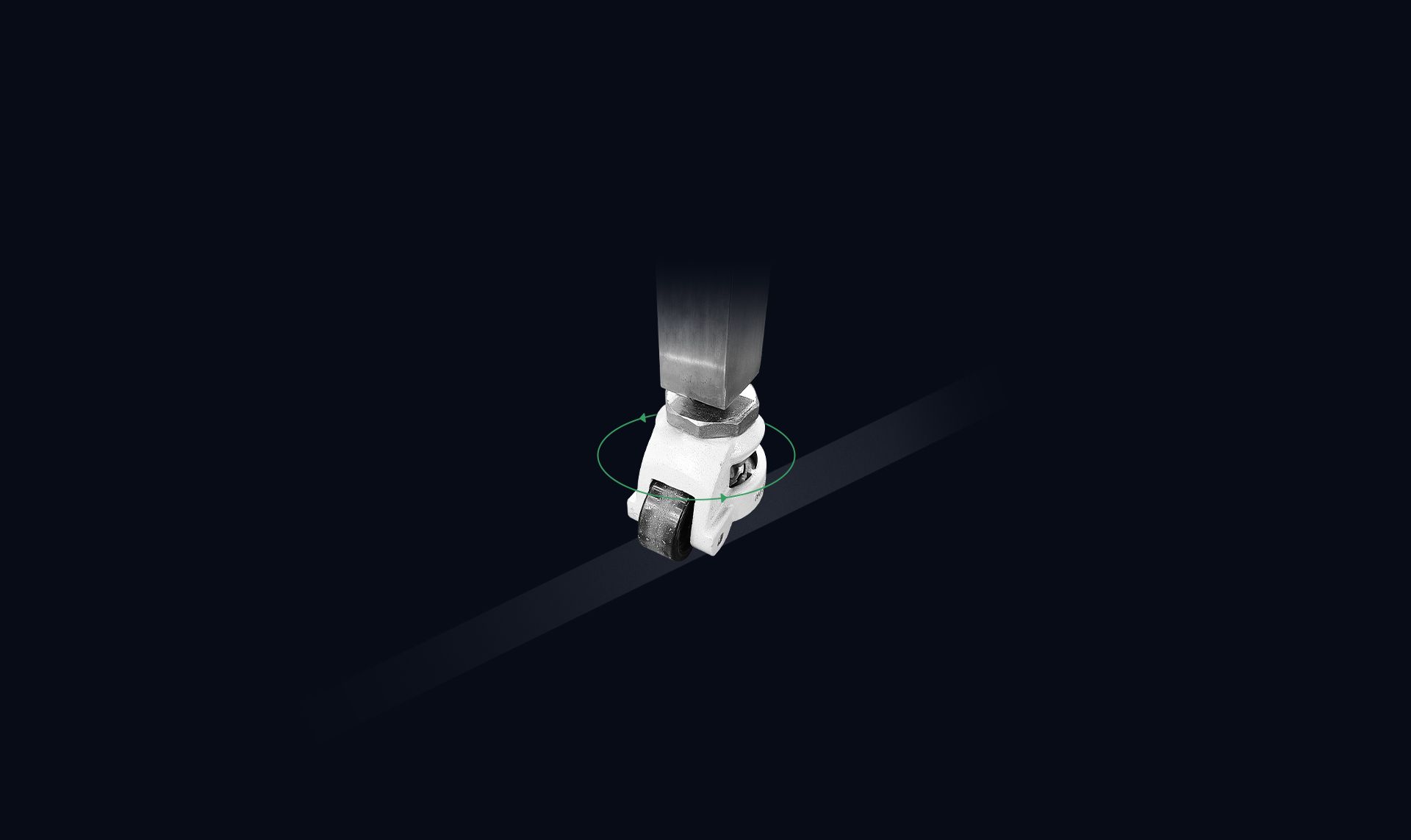
Supported by leveling cups or wheels non-closed structure to balance air pressure
Wheels for modular cleanroom moving freely
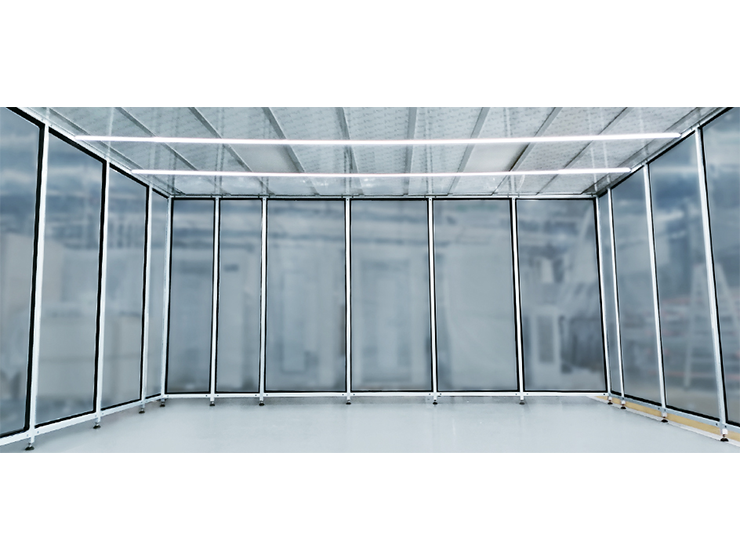

Modular design
Lower costs and flexible structures

Prefabricated and assembled before delivery, fast installation
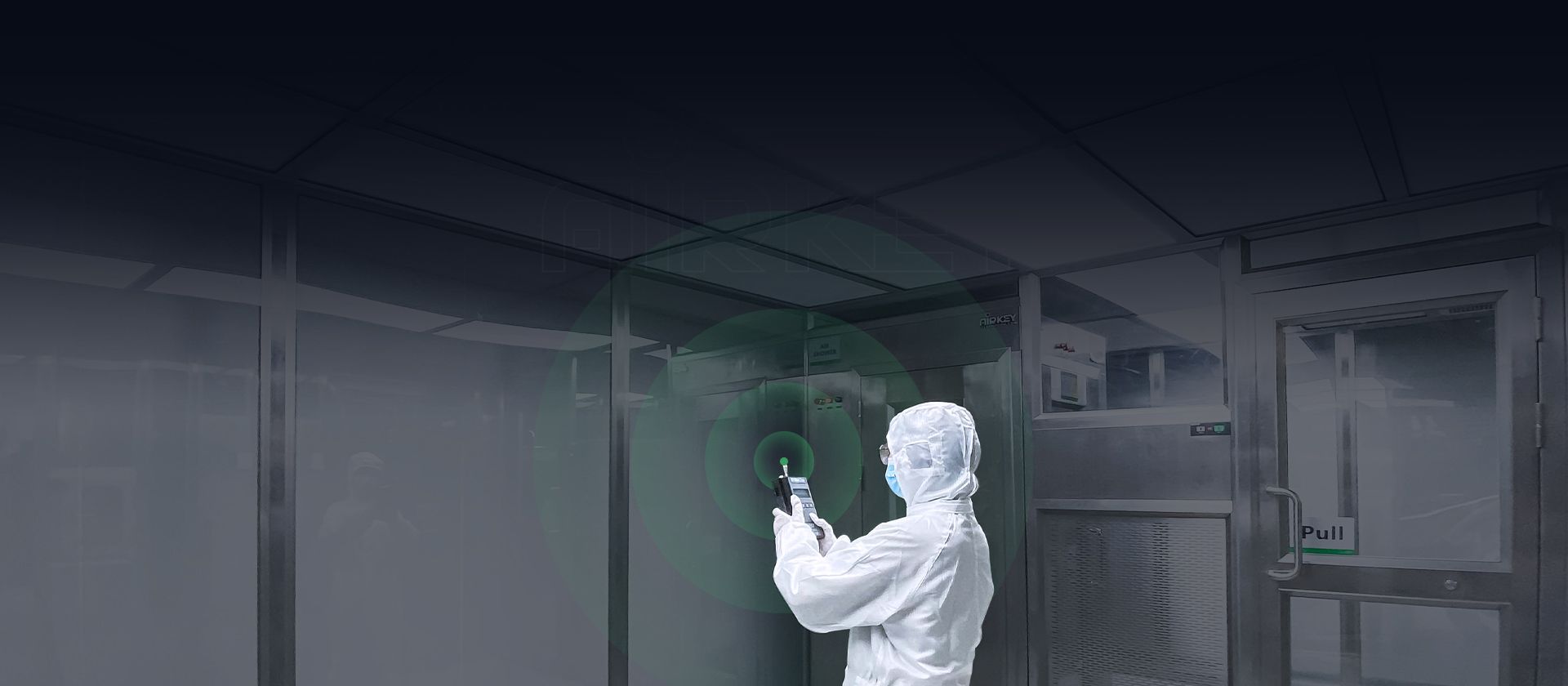
Trial operation and test before delivery Ensure quality and performance
Including clean class test to ensure cleanroom maintain designed ISO class

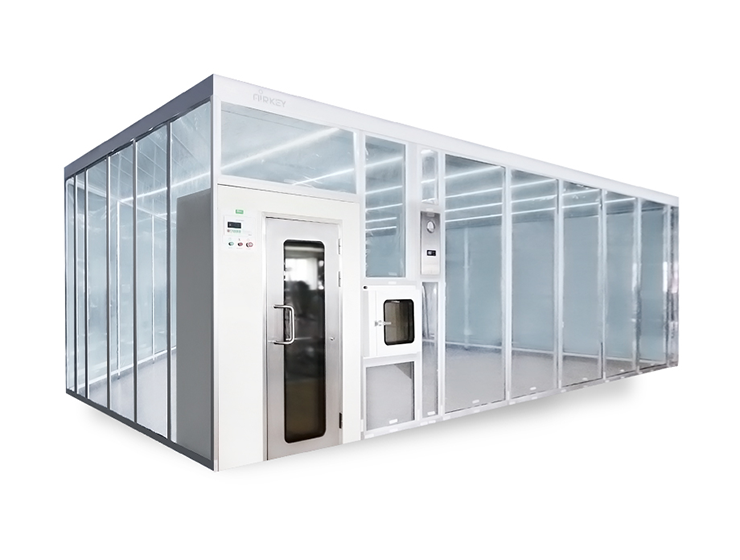
Turnkey modular cleanroom solution Big or small, all fully equipped
Fast installation, plug-and-run mechanism
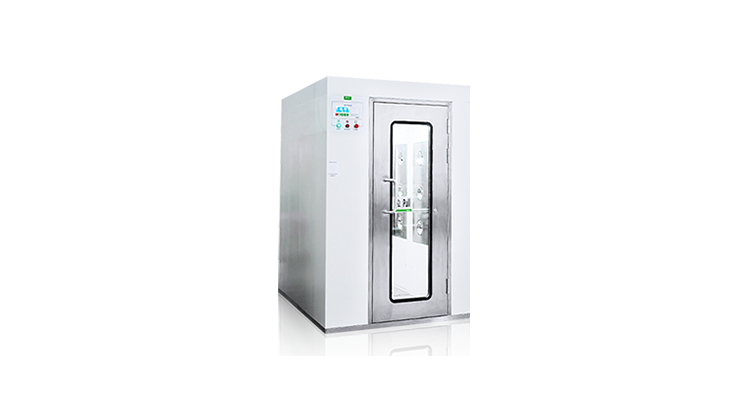
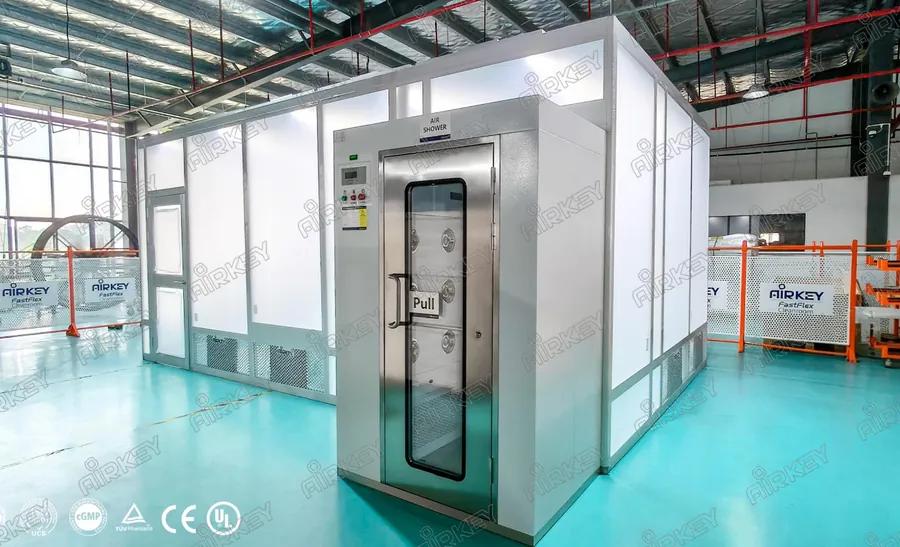
Air shower, pass box, laminar flow hoods optional freely
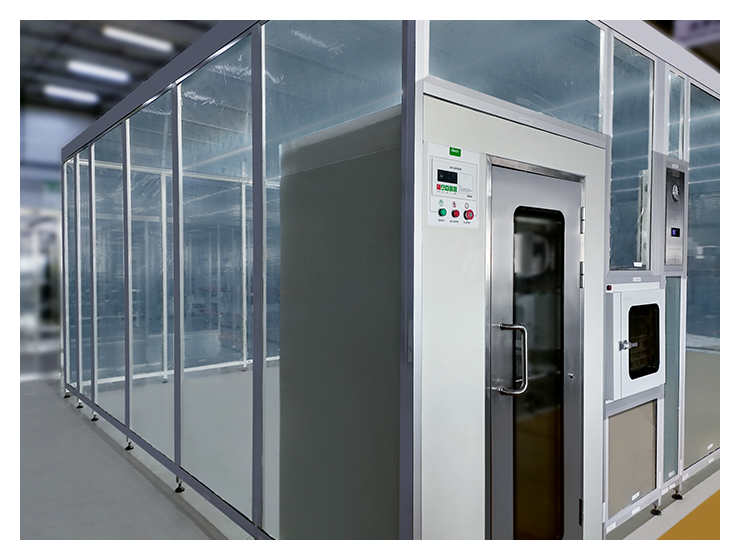
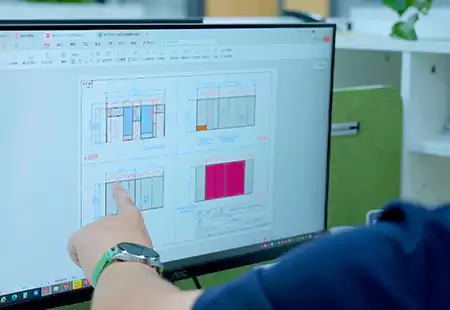
Diverse layout
Whatever size and shape, customizable
Flexible deployment of entrance and exits
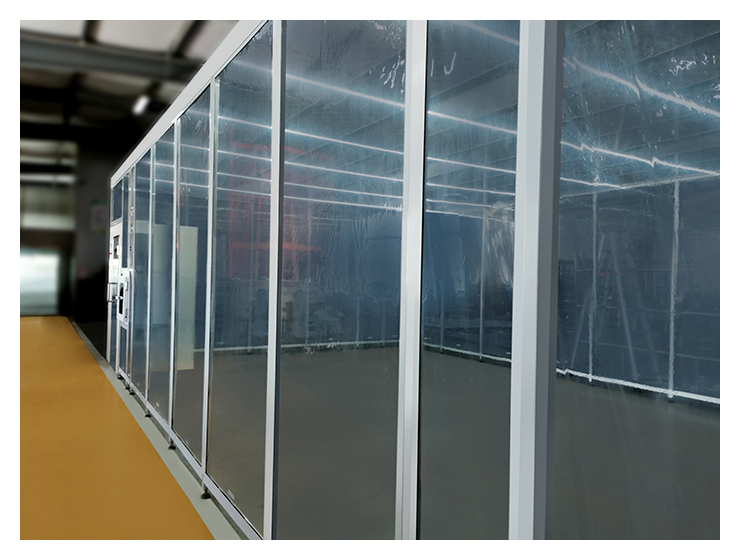
Transparent and light ESD PVC wall
Clear and durable acrylic wall
Different types of walls can be integrated together
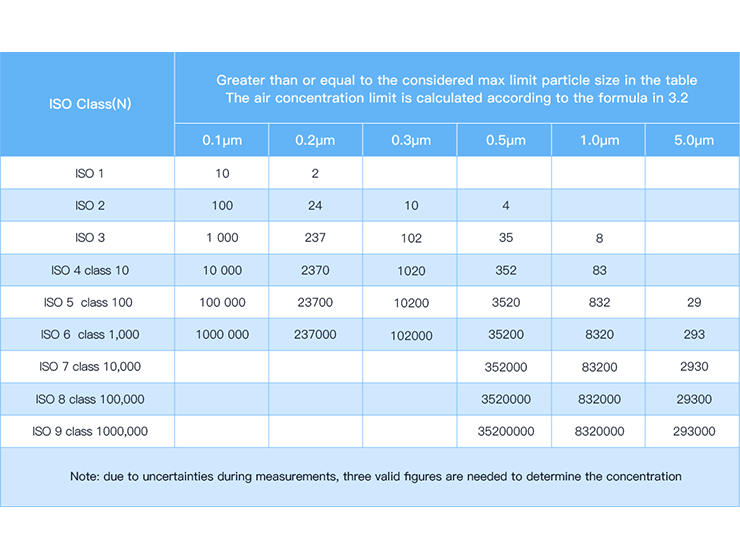
Cleanliness level is a classification standard used to measure the number of air particles in the environment. It is usually formulated by international or national standardization organizations and is often used to evaluate clean rooms, dust-free rooms or sterile rooms in the fields of medical, scientific research, electronics, food, etc. Different cleanliness levels correspond to different particle concentrations. The lower the particle concentration, the higher the cleanliness level. Therefore, ISO1 has the highest cleanliness and ISO9 has the lowest cleanliness.
ISO1 Cleanroom
- Particle diameter ≥0.1 μm:10
ISO2 Cleanroom
- Particle diameter ≥0.1 μm:100
- Particle diameter ≥0.2 μm:24
- Particle diameter ≥0.3 μm:10
ISO3 Cleanroom
- Particle diameter ≥0.1 μm:1,000
- Particle diameter ≥0.2 μm:237
- Particle diameter ≥0.3 μm:102
- Particle diameter ≥0.5 μm:35
ISO4 Cleanroom (Class 10)
- Particle diameter ≥0.1 μm:10,000
- Particle diameter ≥0.2 μm:2,370
- Particle diameter ≥0.3 μm:1,020
- Particle diameter ≥0.5 μm:352
- Particle diameter ≥1.0 μm:83
ISO5 Cleanroom (Class 100)
- Particle diameter ≥0.1 μm:100,000
- Particle diameter ≥0.2 μm:23,700
- Particle diameter ≥0.3 μm:10,200
- Particle diameter ≥0.5 μm:3,520
- Particle diameter ≥1.0 μm:832
- Particle diameter ≥5.0 μm:29
ISO6 Cleanroom (Class 1000)
- Particle diameter ≥0.2 μm:237,000
- Particle diameter ≥0.3 μm:102,000
- Particle diameter ≥0.5 μm:35,200
- Particle diameter ≥1.0 μm:8,320
- Particle diameter ≥5.0 μm:293
ISO7 Cleanroom (Class 10,000)
- Particle diameter ≥0.5 μm:352,000
- Particle diameter ≥1.0 μm:83,200
- Particle diameter ≥5.0 μm:2,930
ISO8 Cleanroom (Class 100,000)
- Particle diameter ≥0.5 μm:3,520,000
- Particle diameter ≥1.0 μm:832,000
- Particle diameter ≥5.0 μm:29,300
ISO9 Cleanroom (Class 1,000,000)
- Particle diameter ≥0.5 μm:35,200,000
- Particle diameter ≥1.0 μm:8,320,000
- Particle diameter ≥5.0 μm:293,000
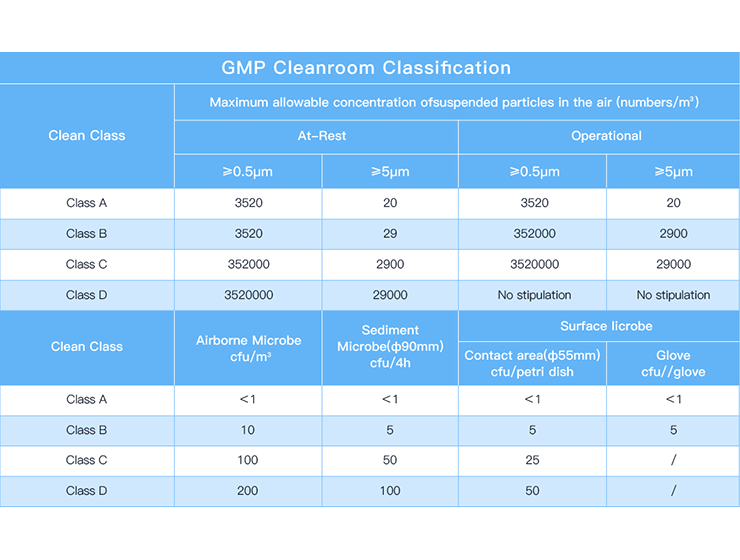
Cleanliness level is a classification standard used to measure the number of air particles in the environment. It is usually formulated by international or national standardization organizations and is often used to evaluate clean rooms, dust-free rooms or sterile rooms in the fields of medical, scientific research, electronics, food, etc. Different cleanliness levels correspond to different particle concentrations. The lower the particle concentration, the higher the cleanliness level. Therefore, ISO1 has the highest cleanliness and ISO9 has the lowest cleanliness.
ISO1 Cleanroom
- Particle diameter ≥0.1 μm:10
ISO2 Cleanroom
- Particle diameter ≥0.1 μm:100
- Particle diameter ≥0.2 μm:24
- Particle diameter ≥0.3 μm:10
ISO3 Cleanroom
- Particle diameter ≥0.1 μm:1,000
- Particle diameter ≥0.2 μm:237
- Particle diameter ≥0.3 μm:102
- Particle diameter ≥0.5 μm:35
ISO4 Cleanroom (Class 10)
- Particle diameter ≥0.1 μm:10,000
- Particle diameter ≥0.2 μm:2,370
- Particle diameter ≥0.3 μm:1,020
- Particle diameter ≥0.5 μm:352
- Particle diameter ≥1.0 μm:83
ISO5 Cleanroom (Class 100)
- Particle diameter ≥0.1 μm:100,000
- Particle diameter ≥0.2 μm:23,700
- Particle diameter ≥0.3 μm:10,200
- Particle diameter ≥0.5 μm:3,520
- Particle diameter ≥1.0 μm:832
- Particle diameter ≥5.0 μm:29
ISO6 Cleanroom (Class 1000)
- Particle diameter ≥0.2 μm:237,000
- Particle diameter ≥0.3 μm:102,000
- Particle diameter ≥0.5 μm:35,200
- Particle diameter ≥1.0 μm:8,320
- Particle diameter ≥5.0 μm:293
ISO7 Cleanroom (Class 10,000)
- Particle diameter ≥0.5 μm:352,000
- Particle diameter ≥1.0 μm:83,200
- Particle diameter ≥5.0 μm:2,930
ISO8 Cleanroom (Class 100,000)
- Particle diameter ≥0.5 μm:3,520,000
- Particle diameter ≥1.0 μm:832,000
- Particle diameter ≥5.0 μm:29,300
ISO9 Cleanroom (Class 1,000,000)
- Particle diameter ≥0.5 μm:35,200,000
- Particle diameter ≥1.0 μm:8,320,000
- Particle diameter ≥5.0 μm:293,000
Specification
| Clean class | ISO 4-9 Confirm or recommend as per request or production process |
| Structure | Leveling cup/wheels |
| Power | 1P/220V/50Hz 1P/110V/60Hz |
| Size | Customize based on customers’ demands No size, height, or span limitations For cleanroom on wheels, better less than 8 sqm |
| Control panel | Basic Type: speed control/LED light control/ pressure display Intelligent type: T/RH/pressure control, filter alarm, speed regulation |
| Frame | SS304/Aluminum Alloy |
| Walls | Transparent ESD PVC curtain Non-transparent ESD PVC curtain optional |
| Ceiling | Aluminum plastic composite panels/sandwich panels |
| FFU | Size: 1175*575*300mm HEPA filter: H14,99.995%@0.3μm Qty: determined according to clean class and dimension of cleanroom |
| Cleanroom equipment | Air shower/cargo air shower/pass through/Buffer Room/Clean Wardrobe/Cleanroom Furniture optional to be equipped |
| HVAC | HVAC optional: temperature control only/ temperature and humidity control |
Product video
Gallery
Modular cleanroom for electronics 5
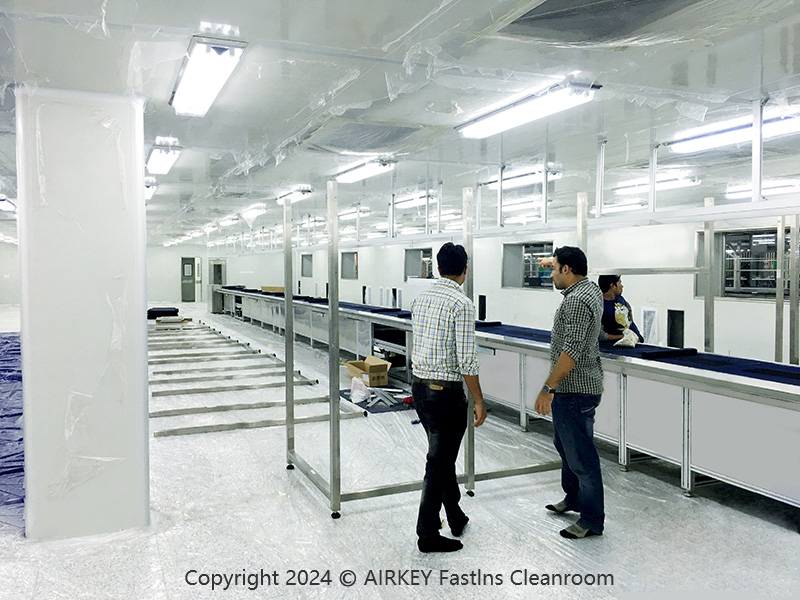
Modular cleanroom for TV assembly 1
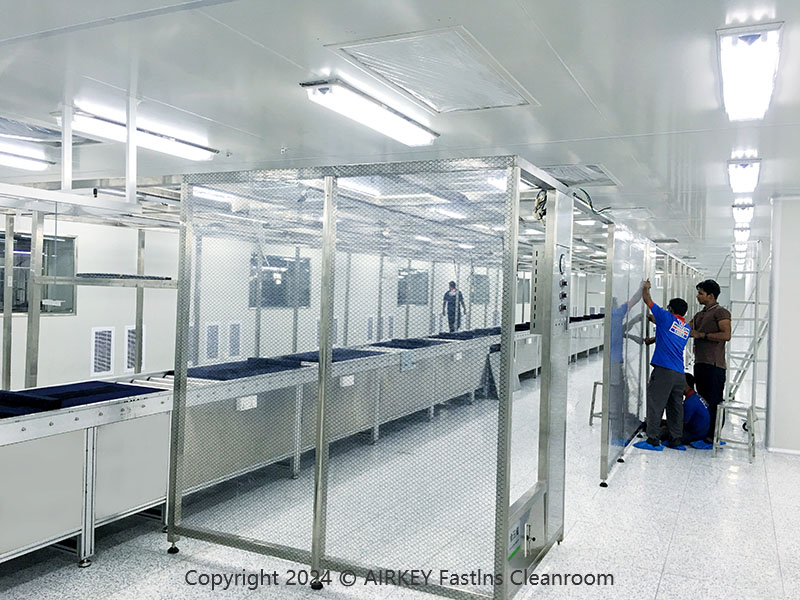
Modular cleanroom for TV assembly 2
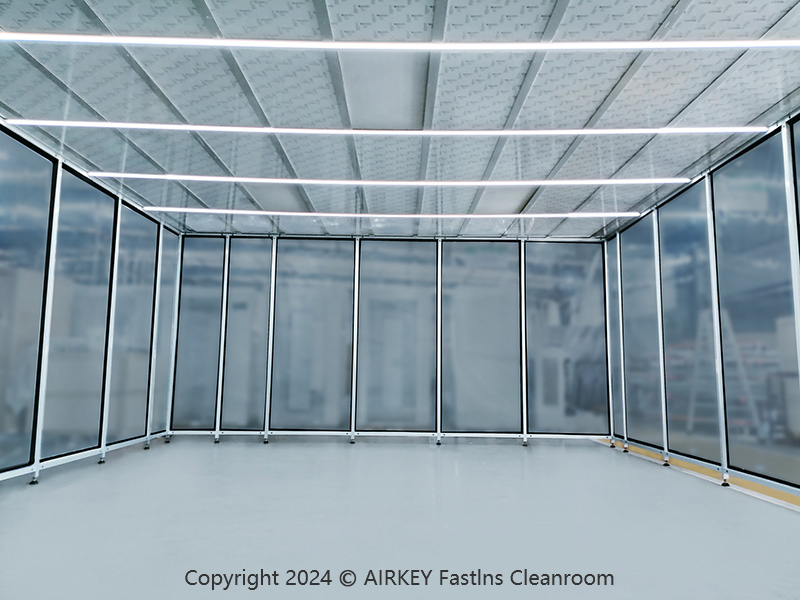
Modular cleanroom for electronics 8
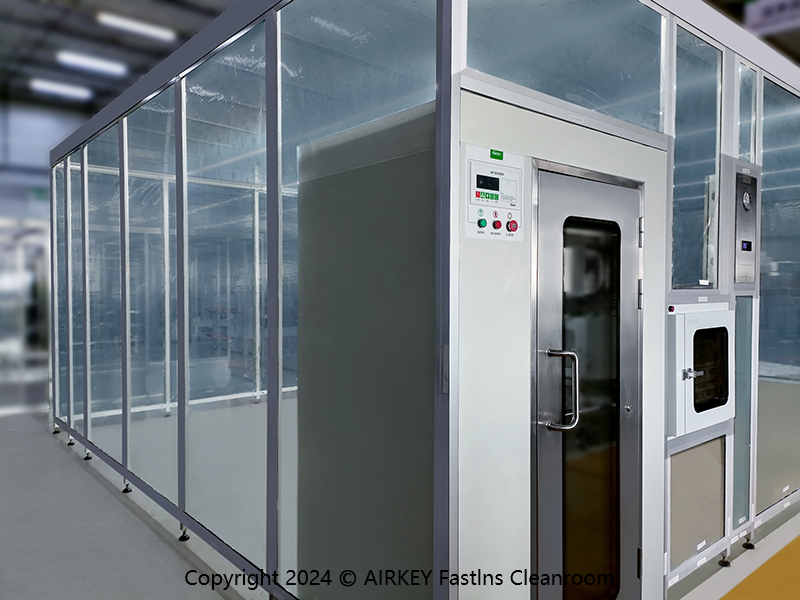
Modular cleanroom for electronics 6
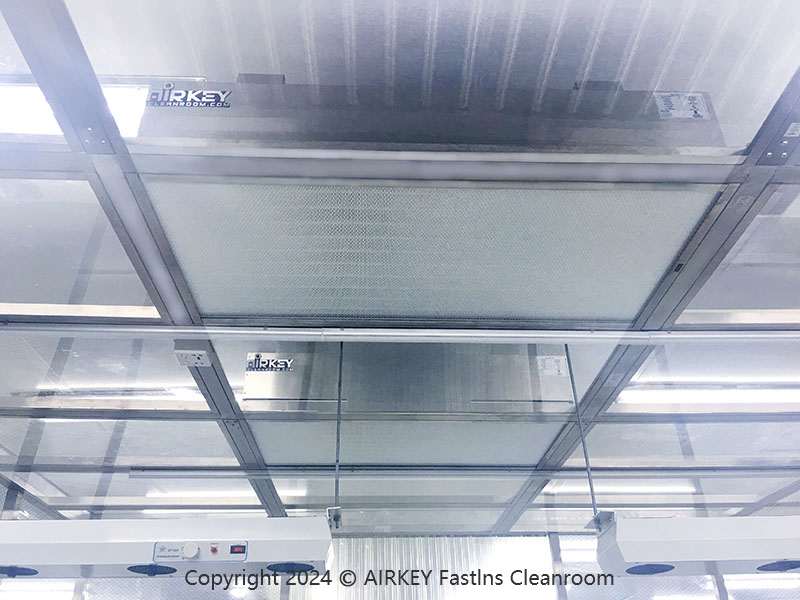
Modular cleanroom ceiling grid
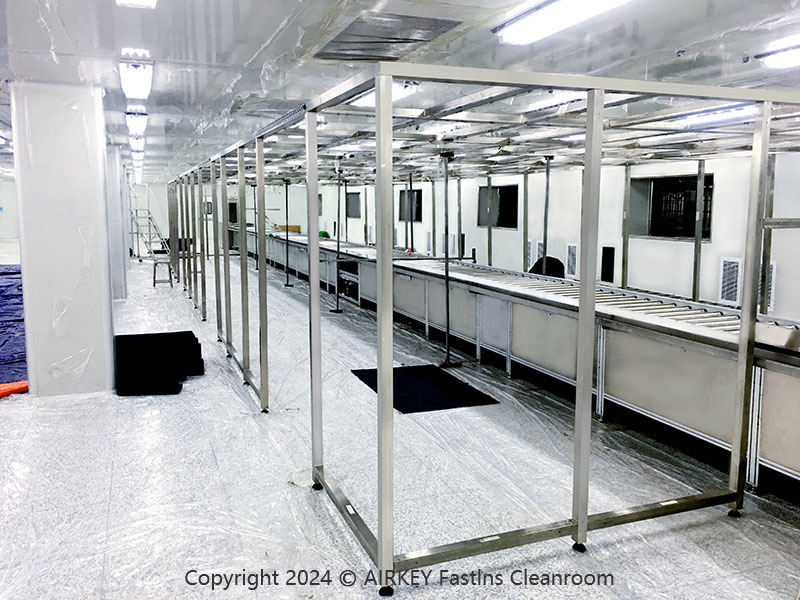
Modular cleanroom for TV assembly 3
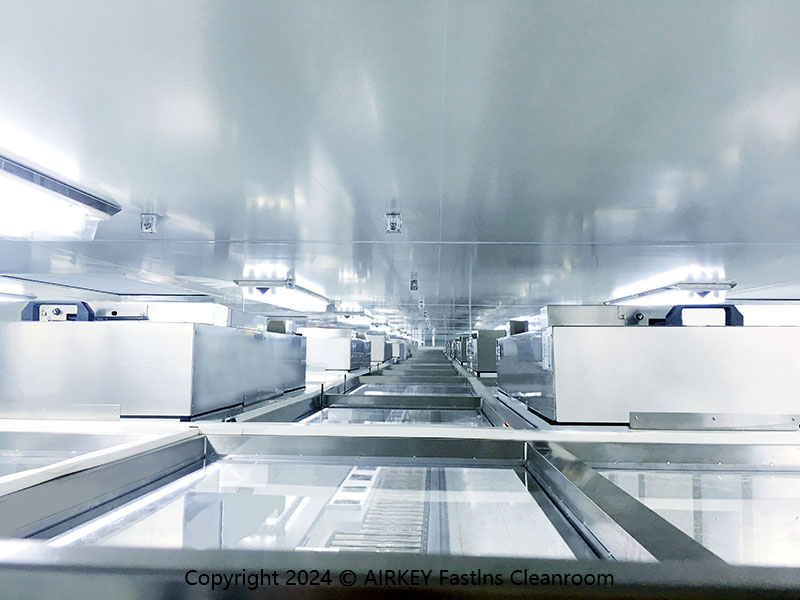
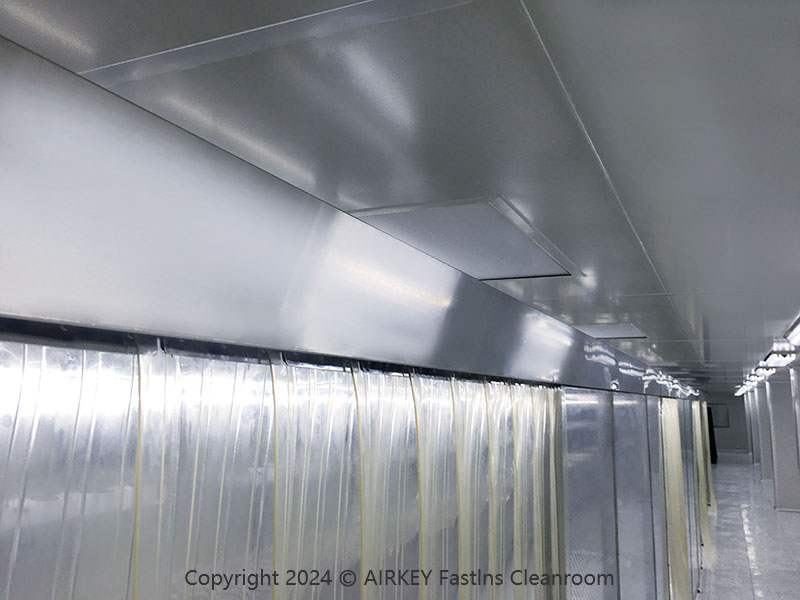
Modular cleanroom ceiling with FFU
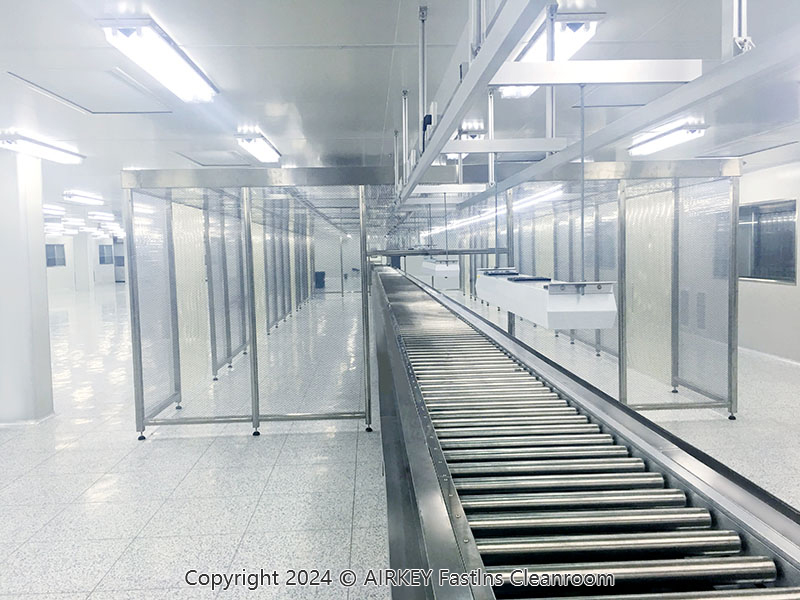
Modular cleanroom for touch screen assembly 1
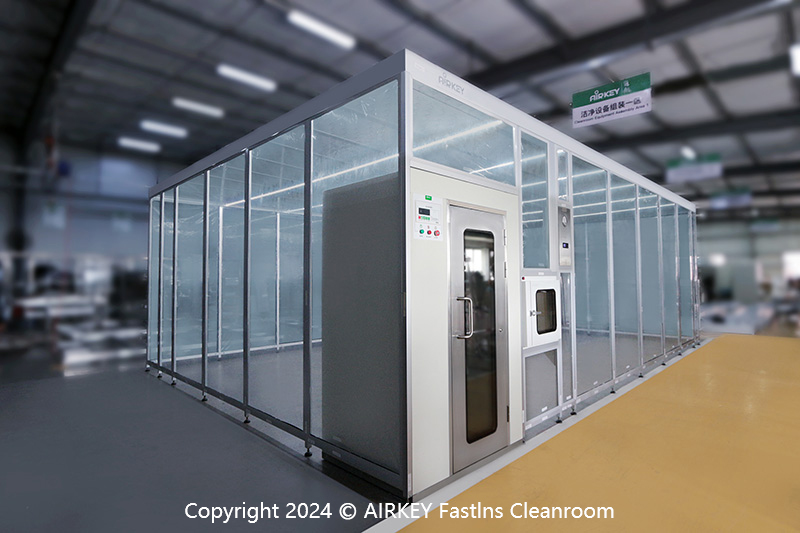
Modular cleanroom for electronics 7
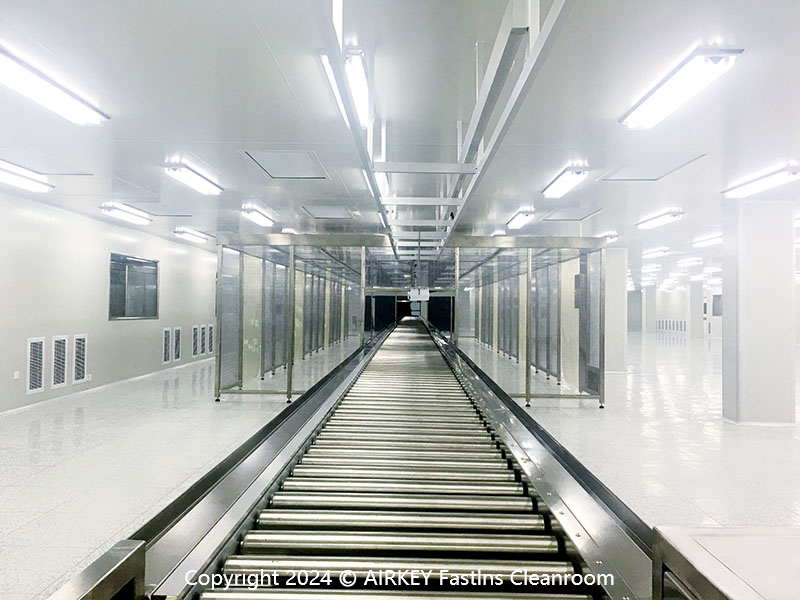
Modular cleanroom for touch screen assembly 2
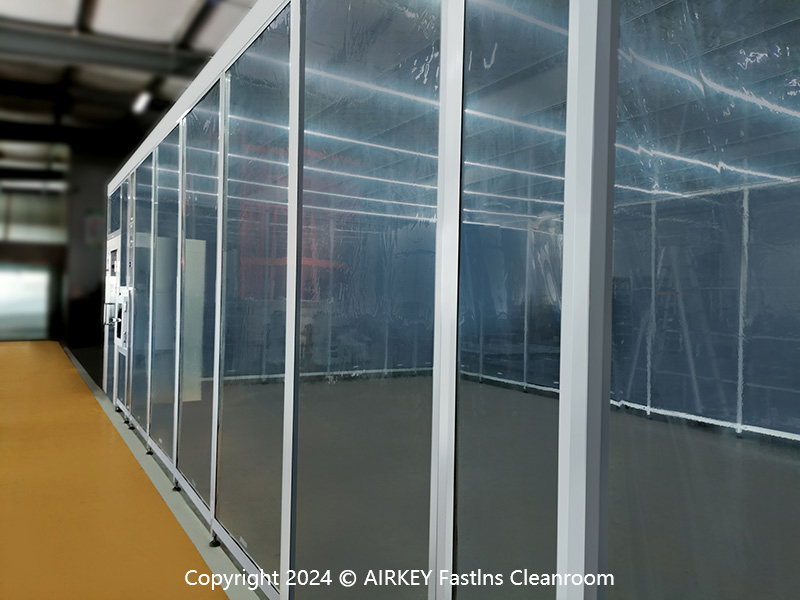
Modular cleanroom for electronics 9
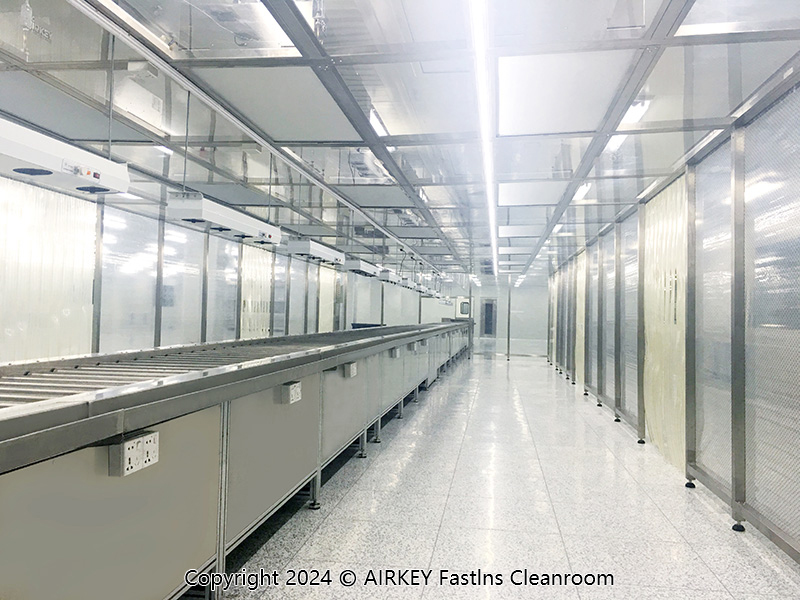
Modular cleanroom for mobile phone assembly 1
Softwall Modular Cleanroom Applications
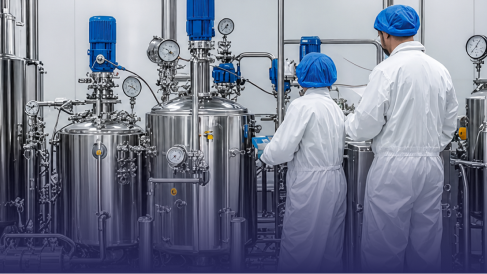
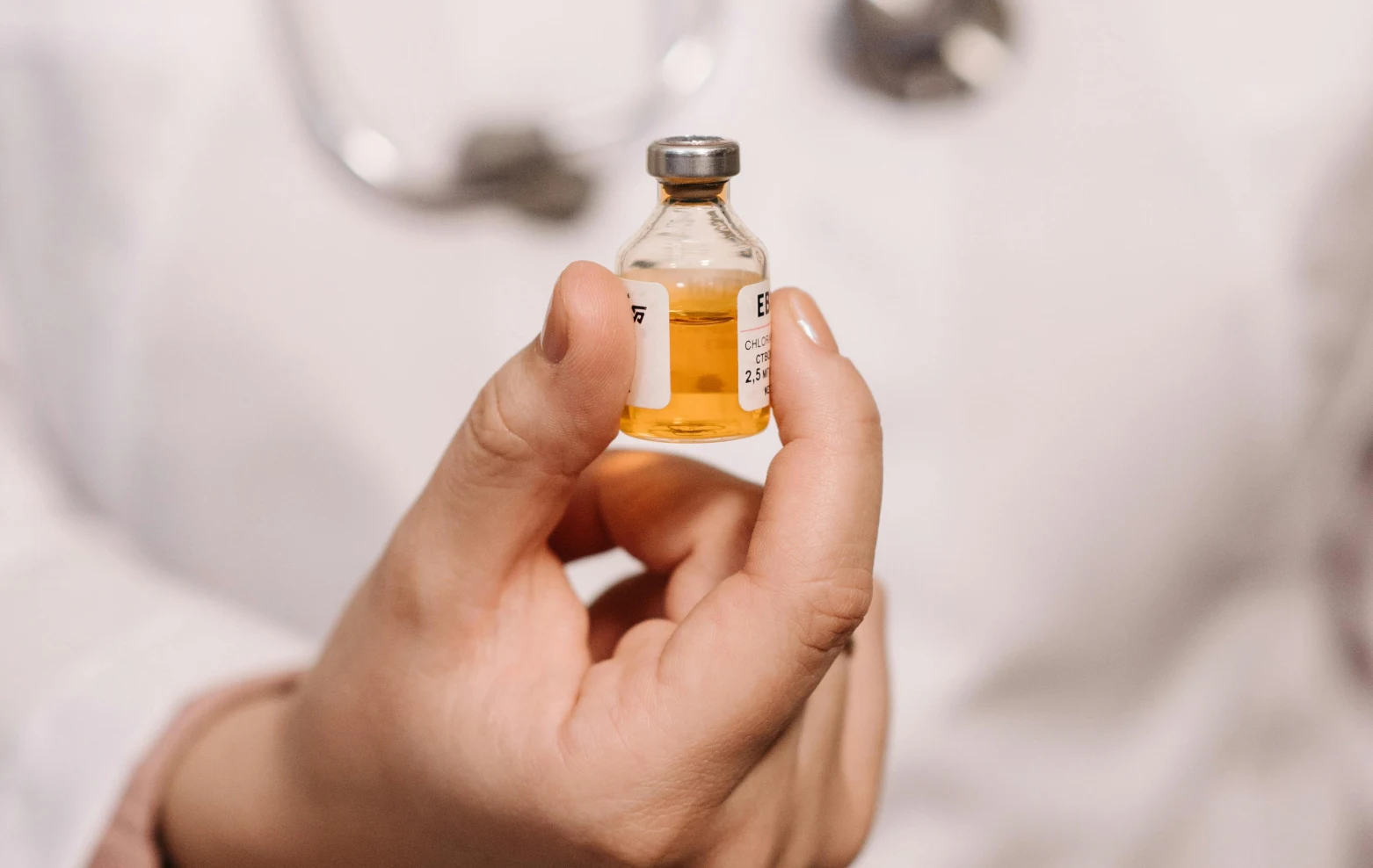
Pharmaceutical Manutacturing
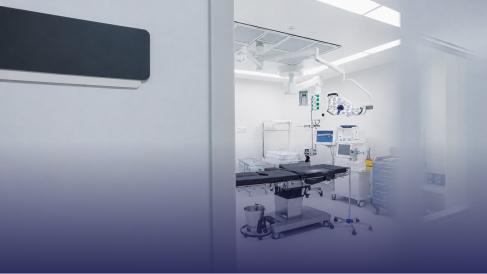
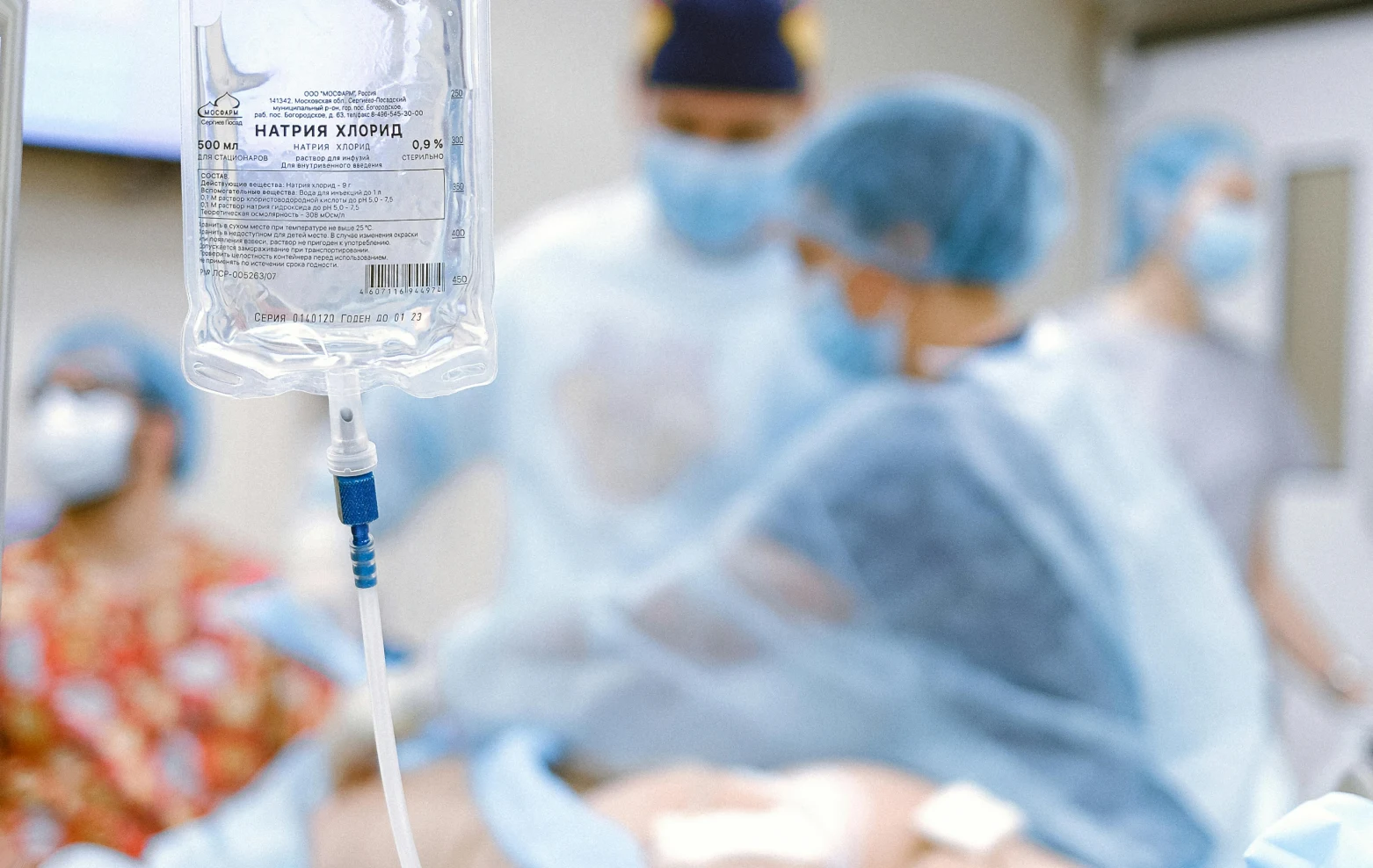
Medical Operating Room
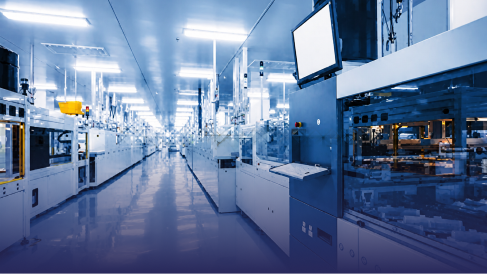
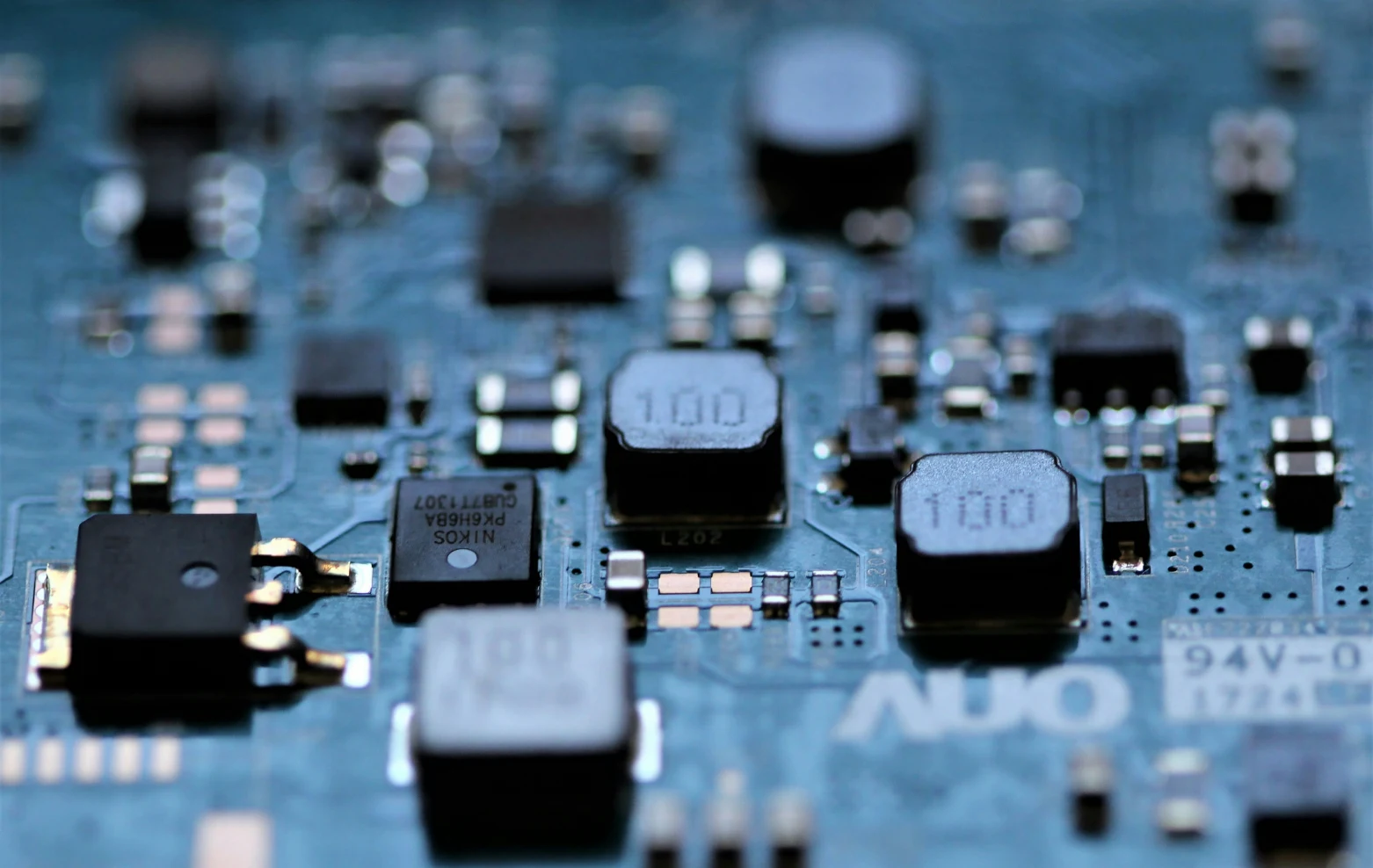
Electronics Industry
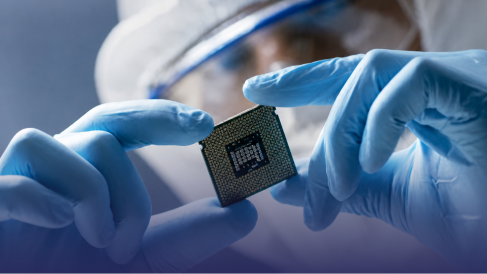
Semiconductor Industry

Biotech Lab Cleanroom
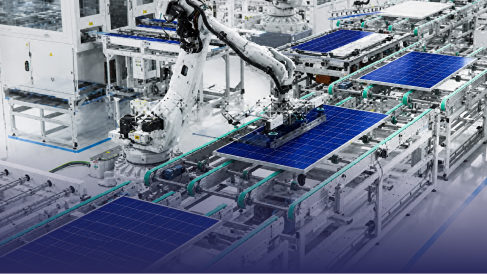
Renewable Energy Industry
Recent Projects
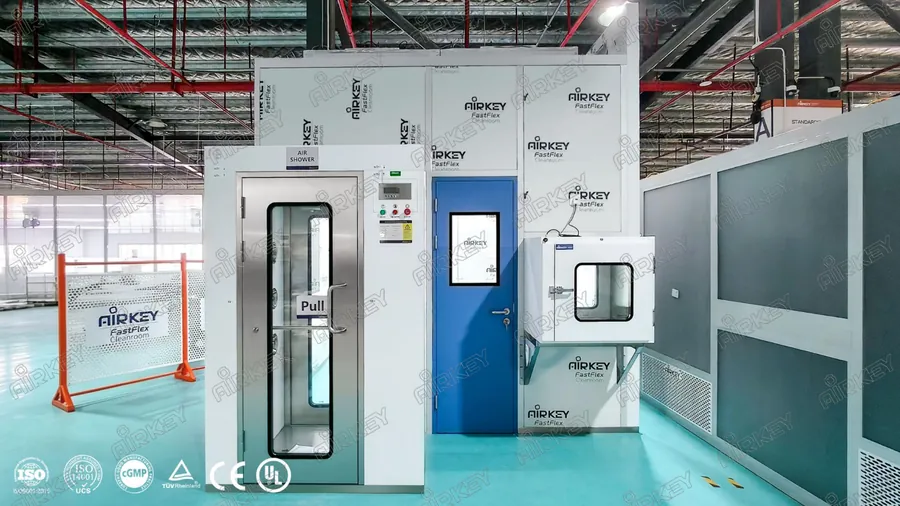
ISO 5 Modular Cleanroom Manufacturer for Medical Research in Singapore
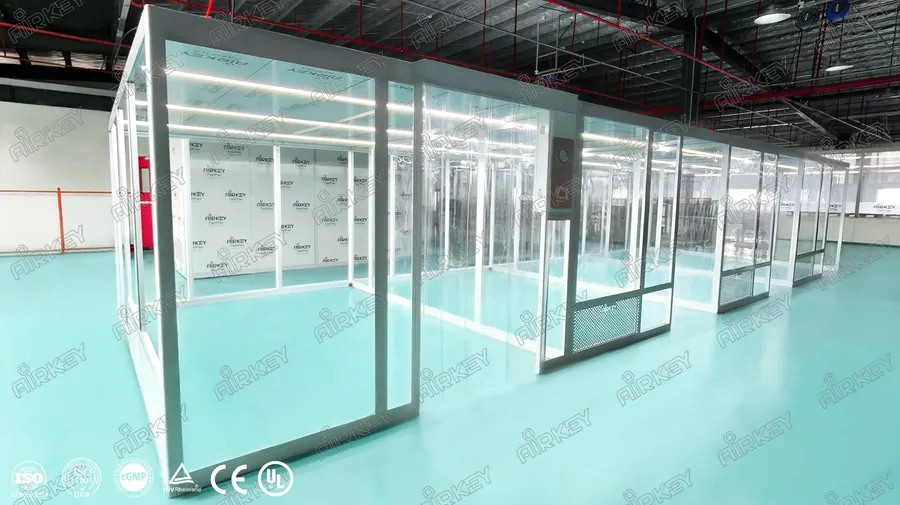
ISO 7 Modular Cleanroom Manufacturer for Pharmaceutical Packaging in the USA
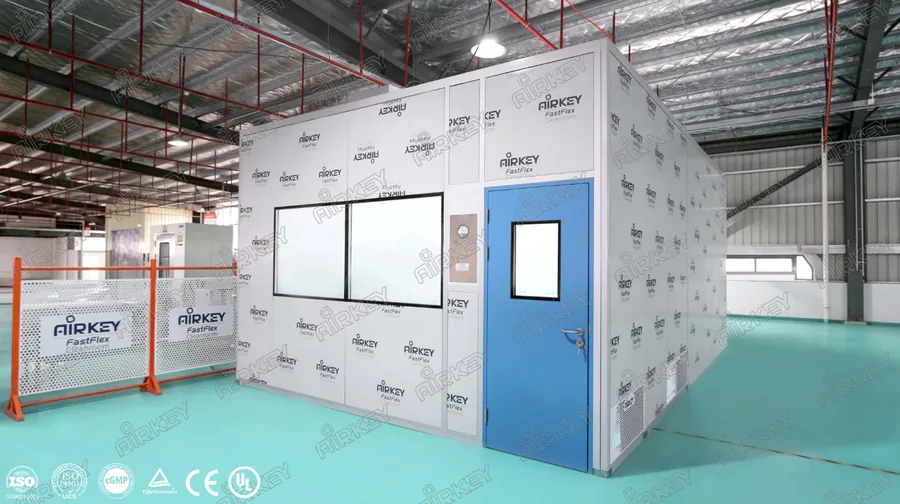
ISO 6 Modular Cleanroom Manufacturer for Optical Component Production in Germany
GMP-Compliant Laminar Airflow Hood for Pharmaceutical Manufacturing in Australia
ISO 6 Modular Cleanroom Manufacturer for Cell Technology Research in Oman
ISO 5 Modular Cleanroom Solution for Peptide Production in the USA
Frequently Asked Questions
1.What is a “hardwall” cleanroom?
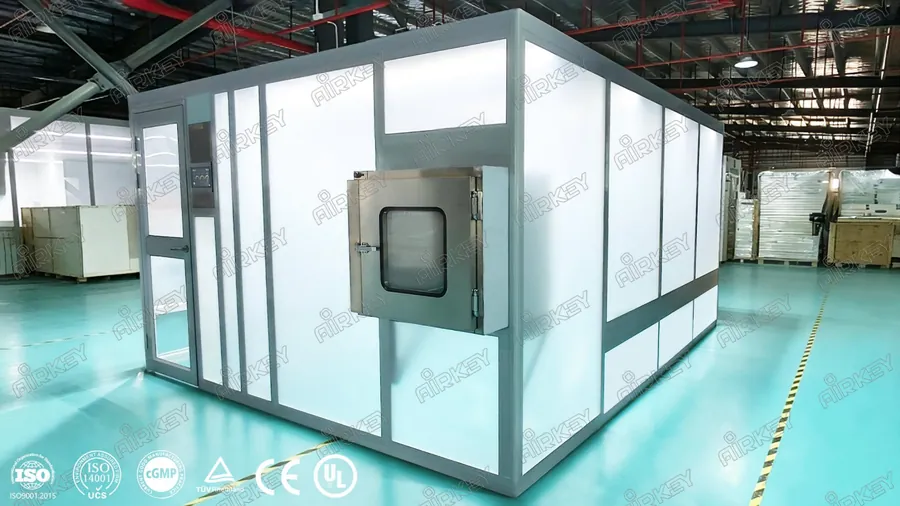
A hardwall cleanroom refers to a modular cleanroom panel using hard wall panels as partition walls. Hard wall panels (sandwich panels/tempered glass/plexiglass) are combined withaluminum alloy or SS304 framesto form a clean area. The hardwall cleanroom structure can withstand the large amount of airflow and pressure required for high-level cleanliness (ISO level4 and above). Hardwall cleanrooms are strong, impact-resistant, durable, and easy to clean and maintain.
2.What is a "softwall" cleanroom?
A softwall cleanroom refers to a modularcleanroompanel using soft wall panel as partition walls.flexible, lightweight materials for the walls. These walls can be easily moved or adjusted to accommodate different production needs or space configurations. Softwall cleanrooms are typically constructed with a metal frame and lightweight PVC wallpanels. This type of cleanroom offers high flexibility, good cleanability, and is widely used in various fields such as electronics manufacturing(electronic cleanroom), pharmaceutical production(pharmacy cleanrooms), and laboratories(laboratory cleanroom). It also provides a cost-effective solution.
3.Should I choose a soft-wall cleanroom or a hard-wall cleanroom?
Hardwall cleanrooms and softwall cleanrooms each have their own advantages. Which one is better depends on the specific requirements and environment. Hardwall cleanrooms usually have higher sealing and better isolation performance, and can better control indoor environmental parameters such as temperature, humidity and air cleanliness. The hardwall cleanroom has a sturdy structure and can maintain excellent performance for a long time. It is suitable for application scenarios with high requirements for environmental control, such as semiconductor manufacturing and pharmaceutical production. The softwall cleanroom has higher flexibility and mobility, can be quickly built and disassembled as needed, suitable for temporary or short-term projects. The cost of softwall cleanrooms is relatively low, easy to transport and store, and suitable for scenarios where environmental control requirements are not particularly high, such as laboratories(laboratory cleanroom) and medical examinations (medical cleanroom). The design and construction of softwall cleanrooms are relatively simple and can quickly adapt to different usage requirements.
4.What other environmental control can the hard wall clean room provide?
In addition to providing basic environmental control, the hard-wall clean room can also achieve more comprehensive environmental control and protection through a variety of measures. In terms of environmental control, the hard-wall clean room ensures that the cleanliness, temperature and humidity of the indoor airflow meet specific standards through efficient air filtration and purification and air conditioning systems; in terms of safety protection, the design of the hard-wall clean room includes fire safety measures, and the enclosure materials used are flame-retardant/non-combustible materials that meet fire protection requirements. In addition, the hard-wall clean roomcanalsobe equipped with fire hydrants, automatic sprinklers, smoke sensors and other fire protection facilities to deal with potential fire risks; in terms of lighting and alarm systems, in addition to daily lighting systems, hard-wall clean rooms also include emergency lighting and evacuation instructions for personnel evacuation, and fire detectors are set up in key areas to achieve early detection and early alarm to improve safety. Hard-wall clean rooms include not only basic air filtration and temperature and humidity control, but also fire safety, emergency lighting and alarm systems. These facilities together constitute an efficient and safe working environment.
5.What other environmental control can a soft wall clean room provide?
In addition to air cleanliness control, softwall cleanroomcan also providecontrol on temperature, humidity, differential pressure and noise. In terms of environmental control, the soft wall clean room, through high efficiency air filters and air conditioning system,ensures that the cleanliness, temperature and humidityinside canmeet specific standards, and maintain the stability and quality of the products. In terms of pressure control, the soft wall clean room can maintain the necessary positive pressure to prevent the influence of external pollution on the clean area. In terms of noise control, soft wall clean rooms help reduce indoor noise through design and material selection, providing a quiet working environment.
6.What is a positive pressure cleanroom?
Positive pressure clean room refers to the statewhere air pressure inside the clean room is greater than the ambient air pressure. In this state, the air supply volume of the clean room is adjustedto make it greater than the sum of return air volume and exhaust air volume, thus forming a positive pressure differenceto prevent the infiltration ofpolluted air fromsurrounding clean space at lower clean class, unclean space or outdoorenvironment, which willaffect the cleanliness of the clean room. Themajorsignificance of maintaining positive pressure is to prevent the entry of external pollutants, to ensure the purity of the production environment, especially for thecriticalproduction process that needs to be highly clean. Positive pressure clean room is widely used in pharmaceutical, electronics and other industries.
7.What is a negative pressure cleanroom?
Negative pressure clean room refers to the statewhere air pressure in the clean room is lower than the ambient air pressure. The main purpose of the design of the negative pressure clean room is to prevent the leakage of contaminated indoor air to the outdoor thereby reducing the risk of cross-contamination and infection. Negative pressure clean rooms are widely used in hospital wards, operating rooms, laboratories and other fields, among which negative pressure hospital wards are especially suitable for rescuing patients with respiratory infectious diseases. The design of ventilation system makes the air pressure inside the ward lower than that outside the ward,ensuring the inflow of fresh air. The air contaminated by the patient is specially treated by the exhaust pipe and then sent to the designated place to protect the medical staff and the surrounding environment from infection orcontamination.
8.What is the difference between positive and negative pressure cleanroom?
The main difference between apositivepressure and a negative pressure clean room is the direction of air flow and the application scenario.
The positive pressure clean room workshopfocuses on the protection of products from external environmental pollution, making itsuitable for industries with high cleanliness requirements, such asmicroelectronics, pharmaceutical, etc., which is conducive to maintaining product quality and production efficiency.
Negative pressure clean roomis dedicated tocontrolling the spread of internal pollutants and protecting the health andsecurityofoperators, widely used in industries with strict requirements for waste gas, harmful gases and particulate matter generated in the production process,such as chemical industry,pharmaceutical and so on.